
Appraised · WWII HISTORY TOURS
Vienna: World War II Historical Walking Tour
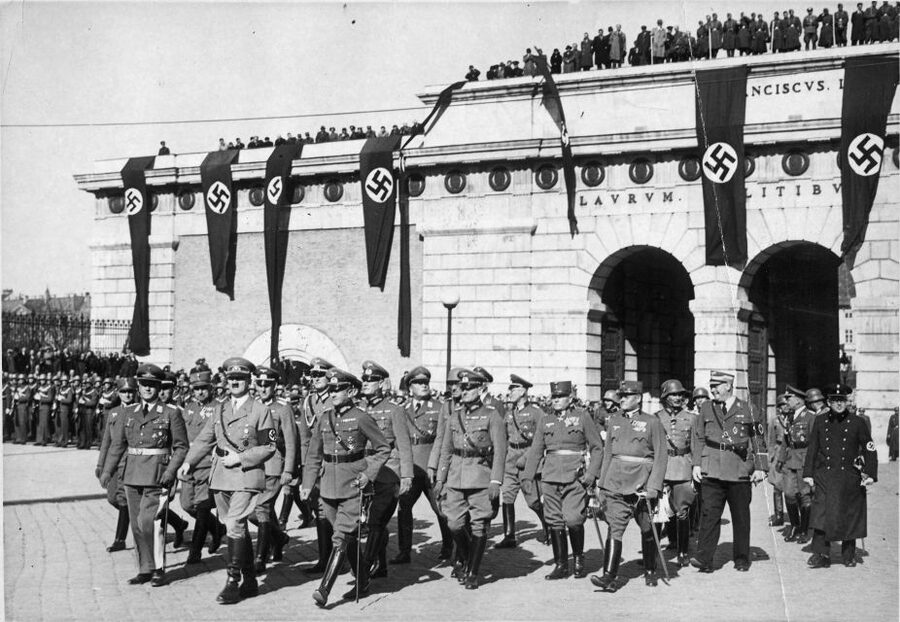
This tour is interesting because it reads Vienna like a living document, showing how politics and fear shaped a young Adolf Hitler and then wrecked the city. I love the stop at the only synagogue that survived the Nazi regime, because it gives the history a specific, stubborn physical anchor. It is a somber walk, but it is also the kind that helps your brain connect what you see to what actually happened.
I also love the practical side, the headsets/ear pieces many groups use, so you hear the guide clearly without craning your neck. That means you can stay focused on the streets and buildings instead of trailing behind. One possible drawback is that the subject matter is heavy, so if you want light sightseeing that day, this route may feel like too much.
Key highlights worth choosing this walk for
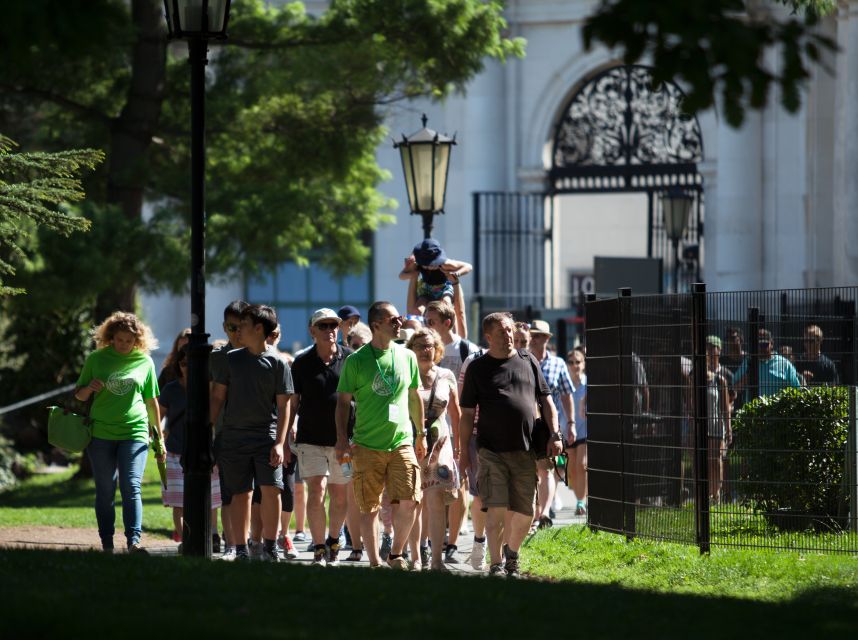
- Begin by the Albertina Museum and the Opera area, so you start in a high-drama, easy-to-find Vienna landmark zone.
- Understand Hitler’s early years in Vienna and how the art student became a political force.
- See the city’s WWII scars, including the impact of more than 100,000 bombs and what the damage meant.
- Visit the only synagogue that survived the Nazi regime, a rare survivor in a landscape of loss.
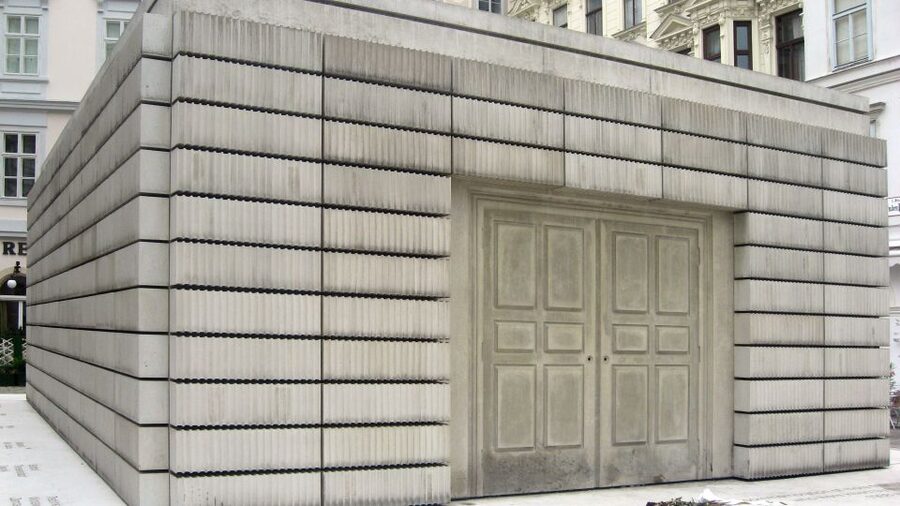
- Stop at Vienna’s Holocaust memorial, designed to make you slow down and face what followed.
- Walk the postwar divisions, including how the Allies managed zones together after WWII.
Why this WWII walk starts by the Albertina and Vienna’s Opera House
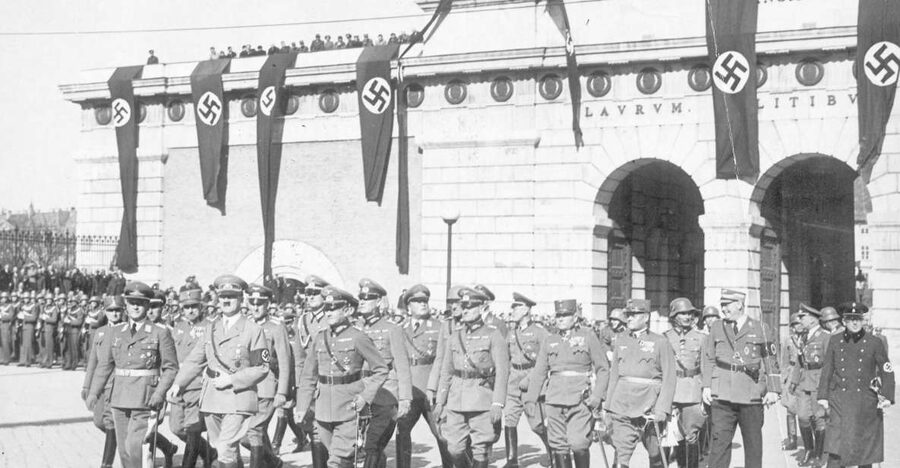
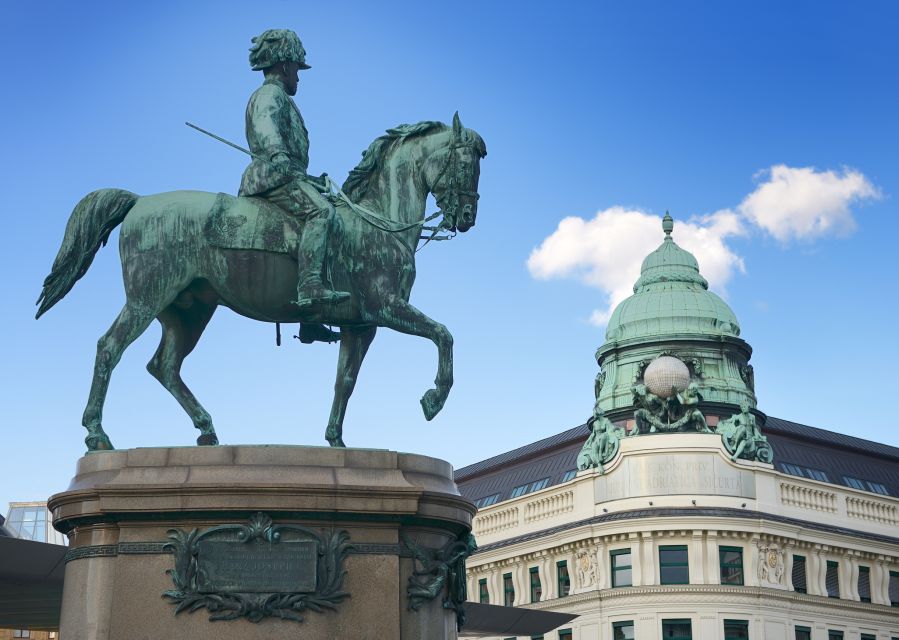
The tour begins right where Vienna feels most public and most powerful: outside the Albertina Museum, next to the famous Opera House. That placement matters because it frames the whole story as something that happened in real neighborhoods, not in some distant history book.
You start at the Albertina area, then move through streets where the guide helps you connect the city’s cultural prestige to its darker 1930s and 1940s reality. Guides such as Dieter, Stefan, Michael, Wolfgang, and Florian are singled out in recent feedback for telling the story clearly and linking each stop to the bigger arc, including Hitler’s transformation.
More WWII history tours in Vienna:
- Historical Hitler Walking Tour of Vienna
★ 5.0 · 887 reviews - Vienna: Underground WWII Bunker Ticket and Guided Tour
★ 4.4 · 79 reviews - Private Vienna Highlights History Walk — WWII and Post War Vienna
★ 5.0 · 30 reviews
Meeting point and how to plan your timing for 150 minutes
Meet at the green umbrella in front of Albrechtsbrunnen, by the fountain downstairs at the Albertina Museum, next to the Opera House. The nearby subway stop is Karlsplatz/Oper, which makes it easy to arrive without fuss.
The tour runs 150 minutes, so it is long enough to feel satisfying, but not so long you fade into museum mode. One reviewer noted that the total walking was about 4 km in roughly 2.5 hours, which feels doable for most people if you wear comfortable shoes.
It also helps to know the route does not necessarily return to the starting point. Plan to finish near a nearby metro option and treat the end as your jump-off to lunch or another stop, rather than expecting to retrace your steps to the fountain.
Hitler’s Vienna, from young artist to political threat
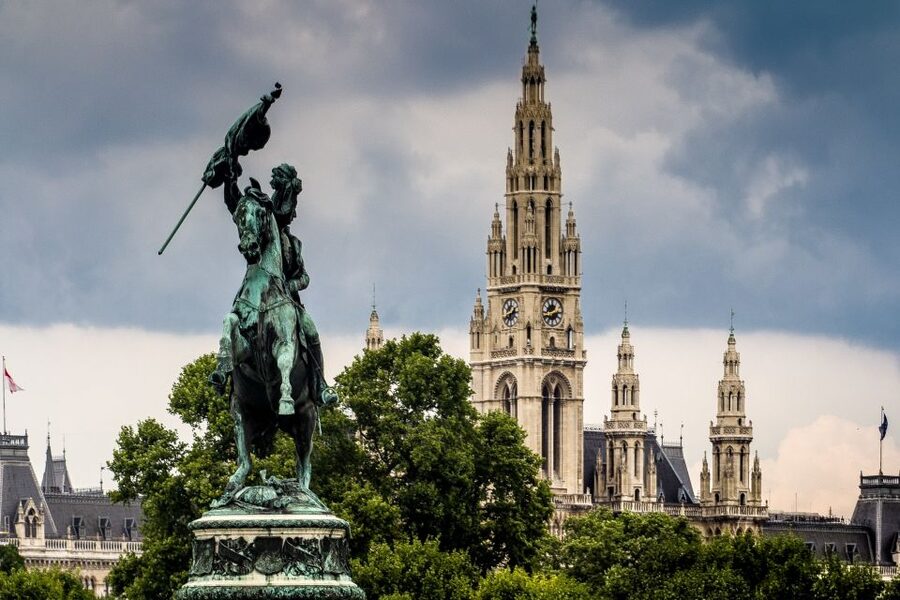
A big reason people love this walk is that it does not just list dates. It shows how Vienna’s social and political climate could shape a young Adolf Hitler’s thinking.
You will hear the story of how the art student became a feared dictator, with the guide placing emphasis on ideology and on the atmosphere around him. Expect the tour to connect the dots between Vienna’s tensions, the rise of ethnic rivalry, and the way fear can turn into policy and violence.
What I like about this approach for your trip is that you leave with a framework. When you later see other WWII traces across Vienna, you are not just collecting plaques. You are reading causes and consequences in the streets.
Bomb scars and how the city absorbs catastrophe
One of the tour’s key themes is the effect of bombing on Vienna, specifically the impact of over 100,000 bombs. Instead of treating this as an abstract statistic, the guide points you toward what those attacks changed in daily life.
This is where walking pays off. In a city with layers like Vienna, you can learn to look past “pretty building” and notice what survived, what was altered, and what the city chose to rebuild. The guide’s job is to help you see those scars without turning the walk into a depressing slideshow.
If you are the type who wants context without being overwhelmed, this portion is usually manageable because the tour keeps moving, and there are opportunities to pause at stops. In rainy or cold weather, reviews mention the guides finding warmer places and sometimes shelter when needed, which helps you stay present.
More walking tours in Vienna:
- Vienna: Guided Walking Tour of City Center Highlights
★ 4.7 · 4,989 reviews - Vienna: Vienna Central Cemetery Guided Walking Tour
★ 4.8 · 3,307 reviews - Vienna: Guided Walking Tour of City Highlights & Hidden Gems
★ 4.9 · 2,180 reviews - Vienna: Viennese Underworld Guided Walking Tour
★ 4.7 · 1,865 reviews
Jewish Vienna in danger: fear, rivalry, and what changed fast
The tour addresses what happened to Vienna’s large Jewish community when ethnic rivalry and fear spread. This section is not only about Nazi actions. It also looks at the social mechanisms that made those actions possible, including how a climate of suspicion can normalize brutality.
For you, the payoff here is a clearer sense of how quickly things deteriorated. You learn that the destruction was not just “war happening.” It was a targeted attack on people and on a whole community’s place in the city.
You also get a specific contrast through the synagogue stop later. That survivor becomes more than an interesting building, because you understand what was at stake and what was lost elsewhere.
The surviving synagogue: why this stop hits harder than a textbook
One of the most praised elements is the visit to the only synagogue that survived the Nazi regime. That sentence sounds like a fact. In practice, it lands as a message: even when systems try to erase, some places resist.
The guide frames this stop as a hinge in the story. You have spent time hearing how persecution escalated and how fear spread. Now you stand in front of a rare remnant, and the history turns from explanation into presence.
Practical note: do not rush this stop. Give yourself time to absorb details the guide points out, since this kind of survivor site often makes more sense when you slow down. If you like photography, you will likely want to capture your own memory of the location, because it becomes one of the most concrete images from the walk.
The Holocaust memorial in Vienna, and how to use it properly
After the synagogue, the tour moves to Vienna’s somber Holocaust memorial. This is the moment when the tone becomes most reflective. The guide’s role here is to keep it respectful and grounded in meaning, not spectacle.
For me, the value of a memorial stop on a walking tour is the pacing. You are not just looking at a memorial in isolation. You are arriving there with the earlier context in your head, which makes the memorial feel like a conclusion, not a detour.
Go into this part expecting silence and restraint. If you are traveling with others, the best group vibe is simple: listen, stand still, and let the message do its work.
Walking the postwar division: scars you can still read
Vienna after WWII is a special chapter, and the tour highlights it through what you can still see in the city’s layout and remnants. You will learn how the city was divided after the war and why Vienna was unusual in the way the Allied powers handled zones together.
This is one of those ideas that can sound confusing until you hear it paired with street-level reality. Once the guide explains how the division worked, the city stops being only “pretty Vienna.” It becomes a map of power, negotiation, and rebuilding.
You also see how WWII left a physical and psychological imprint. Even without dramatic ruins everywhere, the city carries the story in its contrasts: areas that feel preserved, spaces that feel altered, and streets where the historical logic becomes visible once someone points it out.
Price and value for a 2.5-hour guided walk at $31
At $31 per person for a 150-minute live guided walking tour, this is priced like a strong value option. You get a guide who is actively credited for making the difficult parts understandable and emotionally serious without losing clarity.
It includes the live guide and the walking tour, but entrances to attractions are not included. That matters for planning your budget. If your route includes sites that require paid entry, you will want to have a little extra cash or a card ready, depending on what is open and what the guide includes on the day.
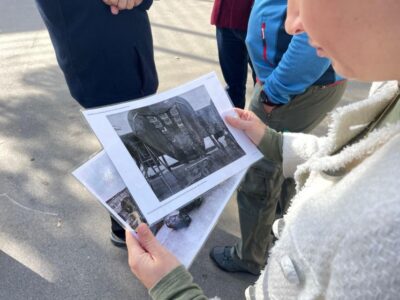
Where the value really shows is in the guide quality. Many reviews point to guides as the difference maker, including Dieter and Stefan for storytelling and context, and Siggy for using printed photos to make information easier to follow.
What to wear and how to make the most of the route
This is a walking tour, so treat it like one. Wear comfy shoes, because 2.5 hours in city streets adds up, even when the pace includes stops.
Dress for the weather. Reviews mention guides making adjustments for rain, including finding shelter and warm places to pause. If you tend to feel cold easily, a light layer helps, because walking does not magically keep you warm.
You will likely appreciate bringing a small snack and water, even though the tour may include pauses. One reviewer specifically mentioned bathroom and snack breaks, but I would not count on that as your guarantee. Build in your own basic comfort so you can focus on the history.
Finally, bring your history brain in a calm mode. This tour deals with Nazi crimes and the Holocaust, so it is not about quick facts. It is about understanding how Vienna became part of the story, then watching how the city still reflects it.
Who this tour is best for, and who should skip it
This is a good match if you:
- Want a focused WWII story tied to real Vienna locations, not just a broad overview.
- Like guided context, especially when a guide explains how events connect to ideology and society.
- Appreciate practical teaching tools, since headsets are a repeated highlight and some guides use photos.
You might skip it if you:
- Want a carefree day with lighter topics.
- Prefer independent sightseeing with minimal listening time.
- Struggle with emotionally heavy material, because you will visit a Holocaust memorial and discuss persecution.
If you are trying to get your bearings early in your trip, this can be a smart first or second-day choice. One reviewer even suggested doing it early because it helps you understand what to look for across the city.
Should you book Vienna’s WWII Historical Walking Tour?
I would book it if you want an honest, place-based way to understand WWII in Vienna, including the rise of Hitler and the city’s physical aftermath. The strongest reasons are the standout survivor stop at the synagogue, the visit to the Holocaust memorial, and the way guides bring context together so you finish with a clearer mental map.
If you are on the fence, decide based on your mood. When you are ready for serious history, this tour delivers structure, clarity, and high-impact stops. When you just want relaxation, you will likely feel better picking a lighter route that day and saving this for a calmer moment.
FAQ
How long is the Vienna WWII Historical Walking Tour?
The tour lasts 150 minutes, about 2.5 hours.
What is the price per person?
The price is listed as $31 per person.
Where does the tour start?
Meet in front of Albrechtsbrunnen, the green umbrella by the fountain downstairs at the Albertina Museum next to the Opera House. The nearby subway stop is Karlsplatz/Oper.
Is the tour guided?
Yes. It includes a live English speaking guide and the walking tour.
Are attraction entrances included?
No. Entrances to attractions are not included.
What is the cancellation policy and language for the tour?
The tour offers free cancellation up to 24 hours in advance for a full refund. The tour language is English.
More History Tours in Vienna
- Vienna: Time Travel and Magic Vienna History Tour
★ 4.6 · 3,879 reviews - Vienna Historic Center Small Group Walking Tour
★ 5.0 · 1,746 reviews - Time Travel-Magic Vienna History Tour Ticket
★ 4.5 · 1,099 reviews - Skip-the-Line Schonbrunn Palace Guided Tour and Vienna Historical City Tour
★ 3.5 · 940 reviews
Recently reviewed around Vienna
- Vienna: Mozart, Beethoven, & Strauss Private Tour★ 5.0 · 4 reviews
- Vienna: Musical Tickets ROCK ME AMADEUS – THE FALCO MUSICAL★ 4.8 · 15 reviews
- Vienna: Mozart Concert with Dinner and Carriage Ride★ 4.8 · 25 reviews
- Private Melk Hallstatt, Salzburg tour from Vienna★ 4.9 · 22 reviews
- Vienna: ‘Armenia In The Heart Of Austria’ Tour★ 5.0 · 6 reviews
- Vienna: Luxury Vintage Fashion Walking Tour★ 3.4 · 8 reviews
- Vienna: Kunsthistorisches Museum Guided Tour incl. admission★ 4.9 · 32 reviews
- Vienna: Mozart Private Guided Tour★ 5.0 · 4 reviews
WWII History Tours, side by side.

Private Vienna Highlights History Walk — WWII and Post War Vienna
Read our review →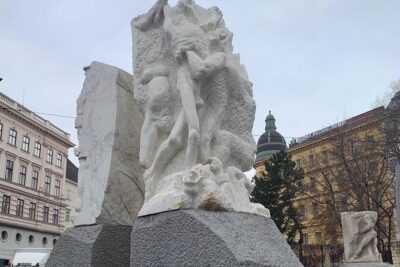
Lists this tour appears in