
Appraised · HISTORICAL TOURS
Vienna: Time Travel and Magic Vienna History Tour
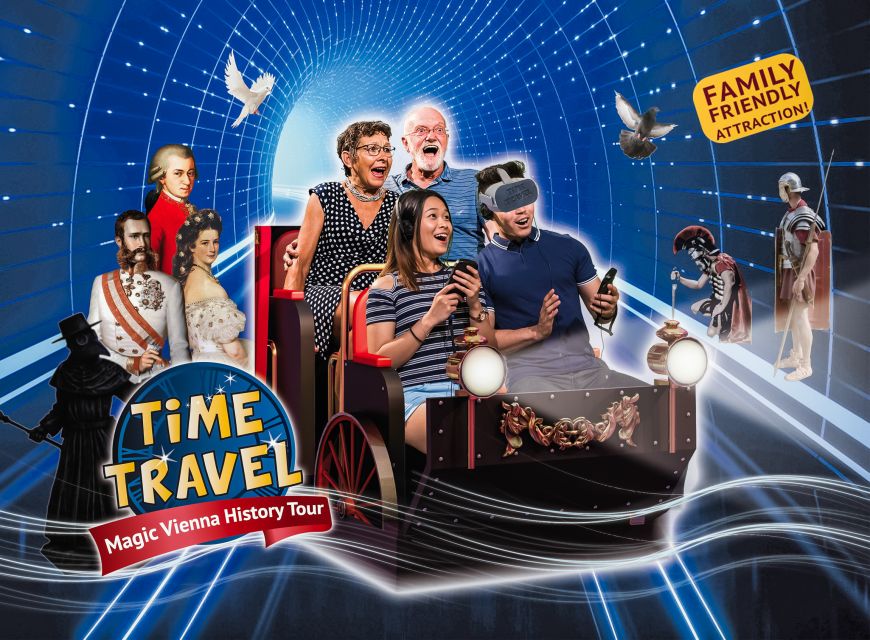
Time Travel Vienna is a fun, fast ride through centuries of the city, built as a high-tech walk-through where scenes change as you move room to room. You start with Roman Vindobona and end with a virtual look over today’s rooftops, all packed into about an hour.
I like that it gives you specific voices and moments, including a moving address by Chancellor Figl in wartime Vienna. One thing to consider: the attraction has two levels with about 50 steps and no elevator, so it is not a match for wheelchair users or anyone with mobility limits.
Key Things to Know Before You Go
- A time-hopping route from Roman Vindobona to imperial Vienna and on to the 20th century
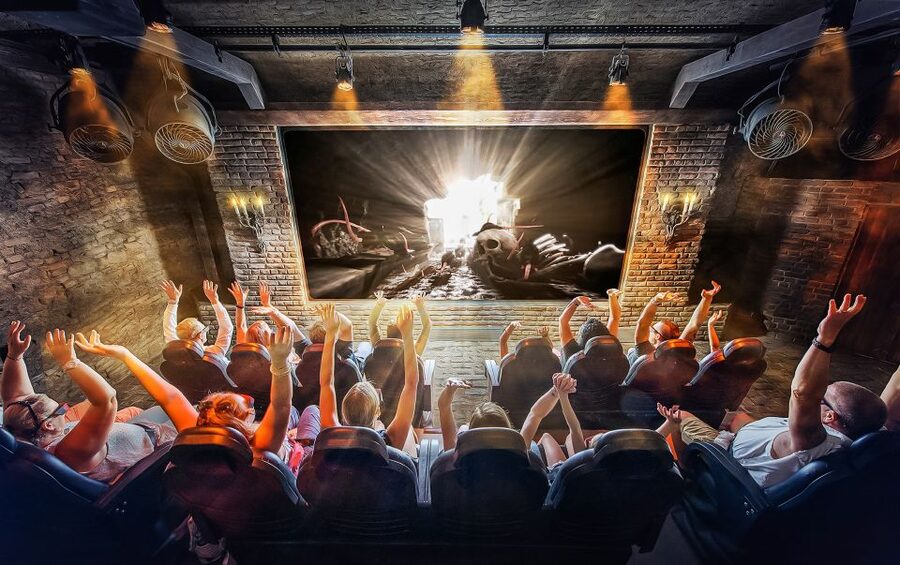
- 5D cinema effects that add physical, movie-like stimulation to the story
- VR glasses for Viennese music history, presented in a simulated world
- Wartime sequences like the bomb shelter experience and the feeling of relief after the speech by Chancellor Figl
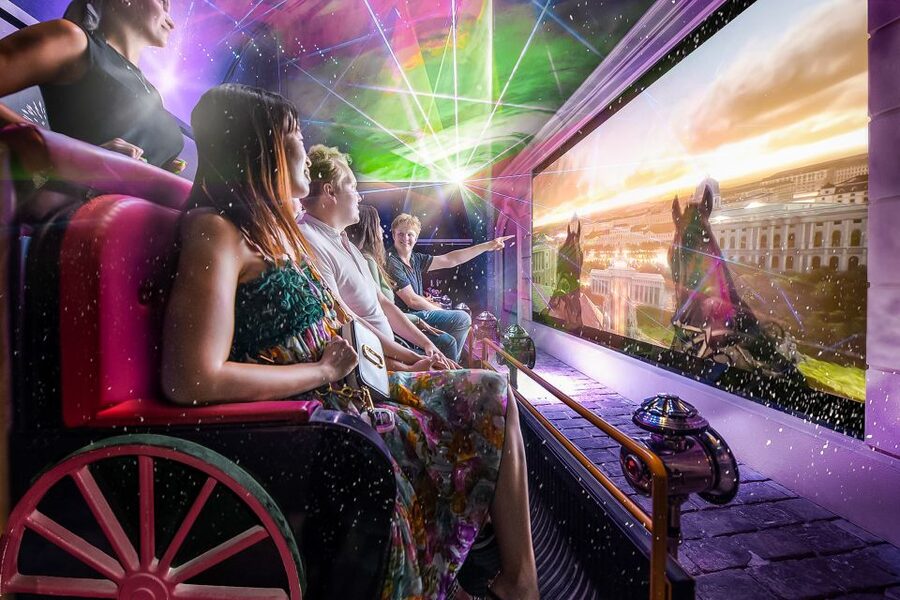
- A finale with virtual flying over Vienna, plus a horse-drawn carriage style flight over the city
Vienna’s Time Machine: What a 60-Minute Visit Really Feels Like
This is one of those Vienna activities that works even if you are not a big museum person. Instead of sitting still, you keep moving, watching, listening, and reacting to what the room is doing. The whole thing is designed as a sensory story, from Rome to modern day.
The best part is the pace. In an hour, you get a first-time foundation for why Vienna looks the way it does, and why the city’s politics and arts mattered. When you step back outside, you will probably notice details you would have missed before, like how much the city’s identity is tied to its court culture and later wartime history.
More history tours in Vienna:
- Vienna: World War II Historical Walking Tour
★ 4.8 · 1,772 reviews - Vienna Historic Center Small Group Walking Tour
★ 5.0 · 1,746 reviews - Time Travel-Magic Vienna History Tour Ticket
★ 4.5 · 1,099 reviews
Finding Time Travel Vienna in Vienna’s Historic Center
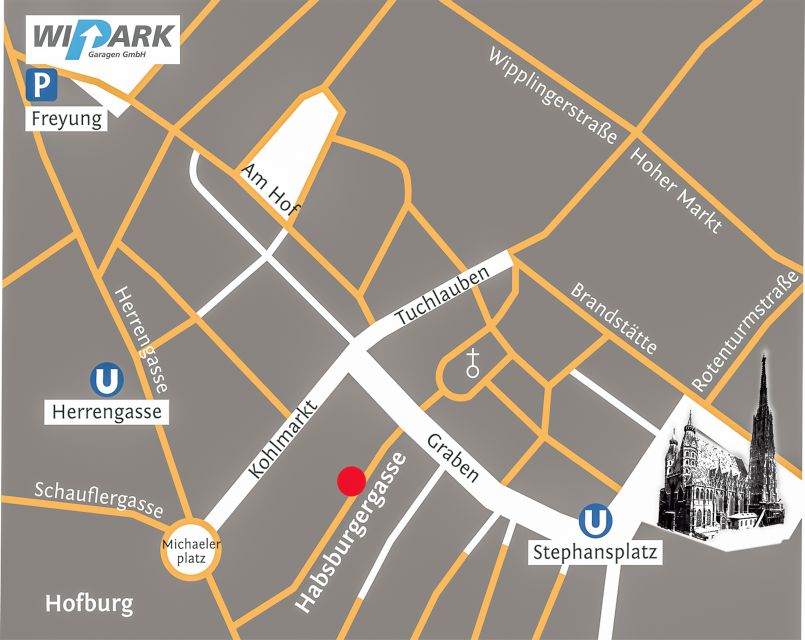
You meet at Habsburgergasse 10A, 1010 Vienna, in the Altstadt historic center. The location is incredibly central, about 200 meters from the Hofburg area and very close to Graben, Kohlmarkt, and Stephansplatz.
Getting there is straightforward. Take the underground on U1 to Stephansplatz or U3 to Herrengasse. If you drive, there is parking in the garage called Freyung with a reduced price.
Timing matters because the venue runs on timed entry. Last admission is at 19:00, so if you plan to do it later in the day, go earlier rather than gambling on the last slot.
The Opening Stop: St. Michael’s Cellars and the Roman Start
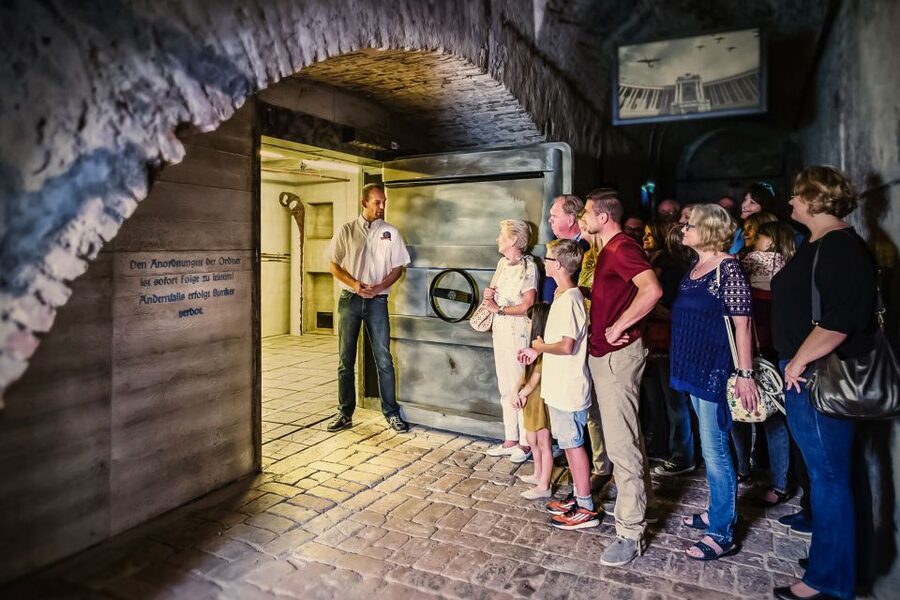
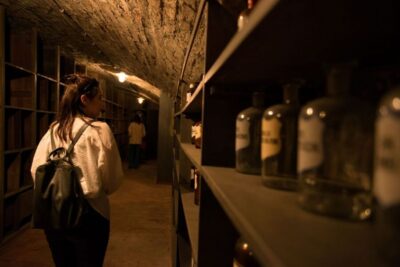
The experience begins with the idea of walking into Vienna’s past using multimedia technology. A highlight here is the setting itself, with time-travel scenes staged in the cellars connected to the St. Michael’s monastery.
From there, you travel back to the days of the ancient Roman camp called Vindobona. The point is not to memorize dates. It is to get your brain used to the idea that Vienna keeps rebuilding, with each era leaving physical and cultural traces behind.
For many people, this Roman start is what makes the rest of the story click. Once you see Vienna as an evolving city rather than one fixed era, the leap into later centuries feels logical instead of random.
The Portrait Gallery: Meeting Famous Viennese Figures
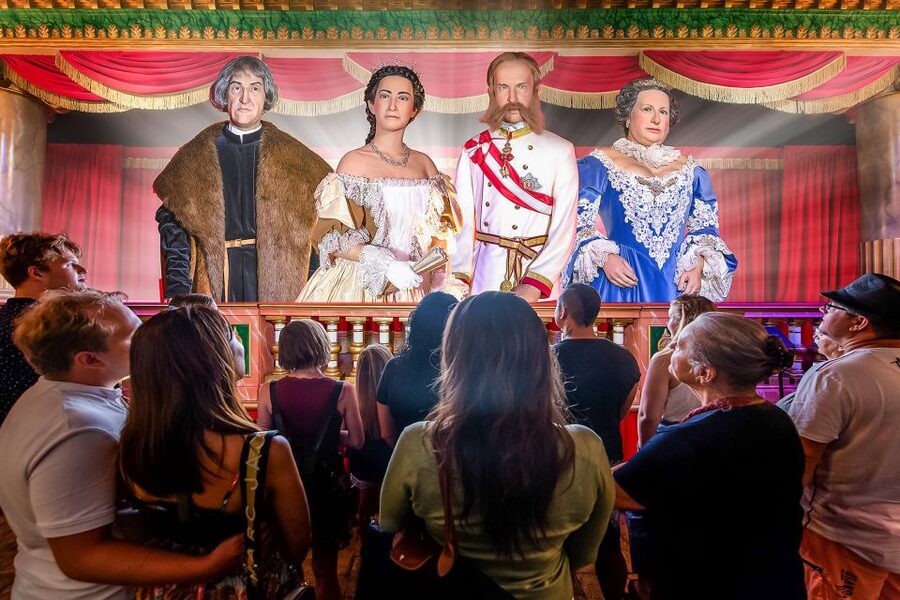
After the early foundation, you shift into a portrait-style learning zone. This part is built around getting to know important people in Viennese history, including the royal family and other famous faces, presented in a personal, “as if you are meeting them” way.
You also listen to what these historical figures have to say as part of the portrait presentation. The value here is that it makes power and politics feel human. Instead of dry facts, you get names, roles, and motivations tied to major changes in the city.
If you are traveling with kids, this is often the section that turns headsets and screens into something they can talk about afterward. It is a quick way to build context before you go looking at palaces and monuments in the real city.
A completely different kind of day, same corner of Austria:
- Vienna: Vivaldi’s Four Seasons Concert in Karlskirche
★ 4.7 · 14,951 reviews - Vienna: Schönbrunn Palace & Gardens Skip-the-Line Tour
★ 4.7 · 7,739 reviews - Vienna: Light of Creation Votive Church Immersive Light Show
★ 4.8 · 6,779 reviews - Vienna Spanish Riding School Guided Tour
★ 4.7 · 6,765 reviews
Imperial Vienna and the Court Atmosphere
Next comes the imperial era, with scenes focused on court life and nobility. You do not just learn that there was an emperor and nobility. You get a sense of how court culture shaped the city’s identity and daily life.
This part is staged to make you feel the difference between eras. The visuals and staging highlight the contrast between different centuries, which helps you sort out what you are seeing when you later walk past imperial-era buildings.
One practical note: since it is a walk-through with changes in rooms, keep an eye on where the group moves next. The experience is meant to flow. When you get stuck trying to “study” every screen like a textbook, you start to miss the momentum.
5D Cinema: When the Screen Starts Feeling Physical
The experience includes a 5D cinema segment. In practical terms, that means you get big movie-style visuals and special effects that make the viewing feel more physical than a normal theater.
Some people want this part to be longer because it is a real highlight. If you tend to love film-based attractions, you will likely feel the same. The good news is that the 5D cinema is not just a flashy break. It is used to keep the story moving through key moments of Vienna’s past.
The ideal strategy is to watch with your body relaxed. These effects work best when you let the scene happen without overthinking it.
VR Glasses and Viennese Music History
A standout element is the VR experience using glasses, tied specifically to the course of Viennese music history. This is where the attraction leans into Vienna’s reputation as a city of composers and musical tradition.
Why this is valuable is simple: music history is hard to picture. VR gives you a sense of movement and setting, so it feels like you are inside a music story rather than reading about it.
If you have never used VR before, expect it to be more “look around and follow the scene” than fully free roaming. You will still get the meaning, and most people do not need any tech background.
Also, because it is time-boxed, you do not need to worry about getting lost. You are guided from one room to the next.
World War II in the Bomb Shelter Sequence
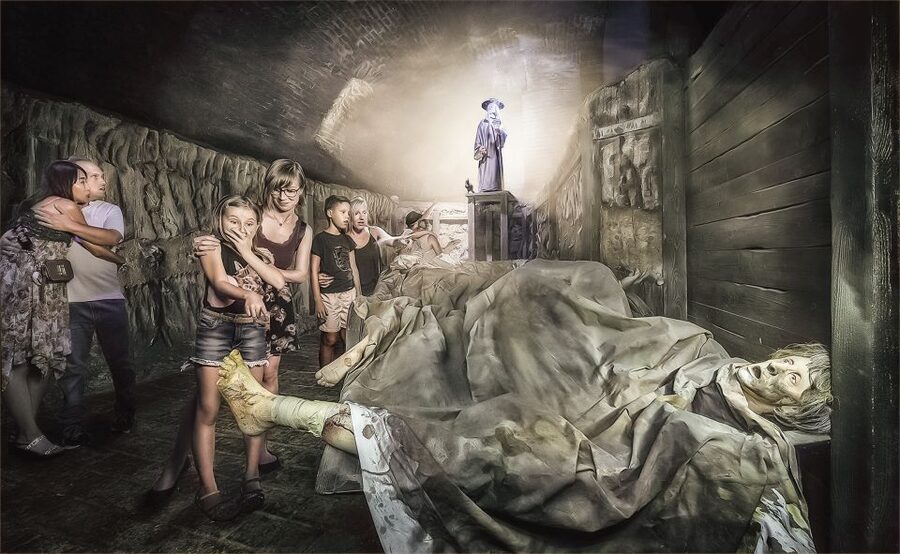
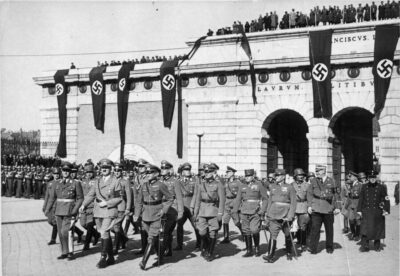
Then the story turns darker, as it moves into World War II era scenes. One of the most intense parts is the bomb shelter sequence, where it feels like enemy aircraft is raging around you and you are inside a shelter.
This is not a calm museum segment. It is designed for impact, using staged effects and immersive presentation style.
If you have very young kids, use your judgment. The attraction is billed as family-friendly, but wartime scenes can still be emotional. You know your child best, and you should decide based on temperament.
The benefit of including this part is that it gives you a clearer understanding of why Austria and Vienna later had to rebuild, socially and physically. You do not just hear that history happened. You feel the atmosphere the attraction is trying to portray.
Chancellor Figl and the Relief Moment
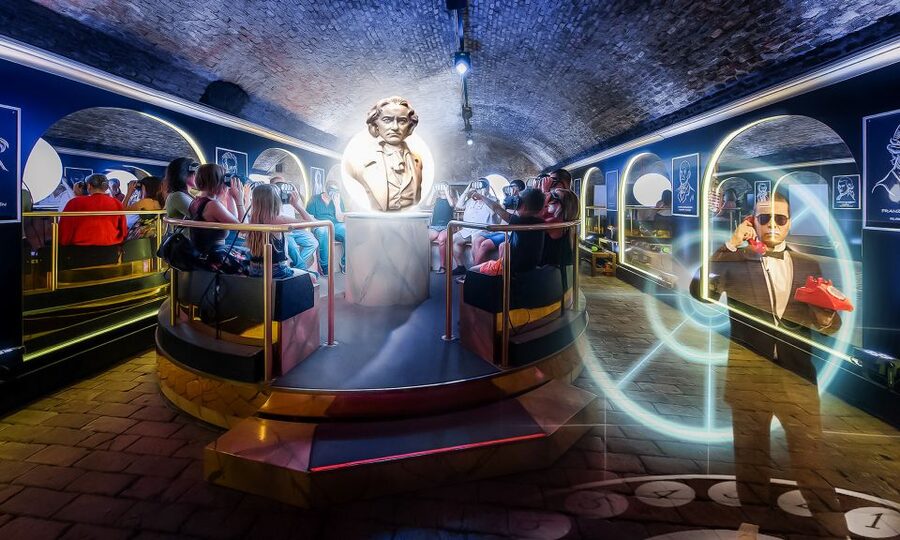
After the hard wartime material, you get the sequence featuring Chancellor Figl. You listen to his speech delivered within battered remnants of Vienna, and the feeling is meant to land as relief for citizens after destruction and uncertainty.
This is one of the parts that makes the experience feel more than just entertainment. It connects Vienna’s story to the human emotional turn of post-war years.
I like this moment because it is specific. It helps you understand that the city is not only about emperors and composers. It is also about survival, recovery, and the political reality of rebuilding.
The Ending Flight Over Vienna’s Rooftops
The finale shifts back into lighter visual spectacle. You get a simulated flying experience over Vienna’s roofs, and the journey ends with a virtual horse-drawn carriage flight over present-day Vienna.
This ending matters more than you might think. After sitting through centuries, your brain needs a bridge back to the current city. A “flyover” gives you a quick map in your head and helps you imagine where key sites sit relative to each other.
It is also a fun payoff, especially for kids who want something dramatic after the more serious history scenes.
Price and Value: How $27 Fits Into a Vienna Budget
At about $27 per person for roughly 1 hour, you are paying for a high-tech attraction rather than a traditional walking tour. That sounds simple, but it helps to think about what you are buying.
You are getting:
- An interactive, room-by-room history experience across about 2000 years
- 5D cinema
- VR glasses
- A staged wartime sequence and a post-war speech moment
- A final rooftop and carriage-style city view
For many families, the cost works because you are basically paying for one compact “do something together” activity that is not just a lecture. For adults, the value is that the experience gives context you can use immediately while exploring the real city.
If you already planned to do several history-heavy museums, you might skip this. But if you want a quick, story-driven way to get oriented, the price feels reasonable for what you get.
Who Should Book This and Who Might Want a Different Option
This is a great fit if you:
- Want a 1-hour activity in the center of Vienna
- Travel with kids and need something that keeps attention
- Like history when it is presented through scenes, not long lectures
- Want a fast way to build background before you see palaces and major landmarks
It may not be the best fit if you:
- Need step-free access. There are around 50 steps and no elevator, and wheelchair users cannot be accepted
- Prefer live acting or guided storytelling by people. The experience is built around multimedia and an audio guide
- Want to record video. Video recording is not allowed
Practical Tips That Make Your Hour Go Smarter
If you have the choice, I would do this earlier in your trip. It gives you background that makes the rest of the city exploration make more sense later. It is also easier to connect details when everything is fresh.
Go with a light plan for the rest of your day. Since it is about an hour, you can pair it with other nearby stops without stress.
One simple idea: treat it like a preview. You are not supposed to leave with every fact memorized. You are supposed to leave knowing what to look for when you walk Vienna’s streets.
Pairing It With Sisi’s Amazing Journey Across the Way
Time Travel Vienna sits close enough to pair with another nearby attraction: Sisi’s Amazing Journey. If you liked the idea of royal connections and court life in this program, that pairing makes a lot of sense.
Even if you do not plan to do both, it is useful to know that wheelchair users who cannot access Time Travel can visit Sisi’s attraction across the way, according to the venue’s info.
Should You Book Time Travel Vienna?
Yes, I think you should book it if you want a central, family-friendly, high-tech history experience that still covers key eras from Roman Vienna to the aftermath of World War II. The mix of 5D cinema plus VR music history plus wartime storytelling makes it feel like more than a single movie, and the hour format keeps it from dragging.
If you cannot manage steps, or if you want a live guide telling stories in real time, you may prefer a traditional guided walk. But for most people doing Vienna for the first time, this is a strong way to get your bearings fast and then go enjoy the city on foot with clearer context.
FAQ
How long is the Time Travel Vienna experience?
It lasts about 1 hour.
Where is the meeting point?
The meeting point is Habsburgergasse 10A, 1010 Vienna.
What’s included with the ticket?
Your ticket includes entry to the attraction plus a multilingual audio guide.
Is there an elevator or step-free access?
There is no elevator. The exhibition has two levels with about 50 steps, and accessibility is not available for wheelchair users.
Are pets allowed inside?
No, pets are not allowed.
Can I record video during the experience?
No, video recording is not allowed.
What language is the audio guide available in?
The attraction provides a multilingual audio guide.
Can I get a refund if my plans change?
Yes. You can cancel up to 24 hours in advance for a full refund.
Recently reviewed around Vienna
- Vienna: Mozart, Beethoven, & Strauss Private Tour★ 5.0 · 4 reviews
- Vienna: Musical Tickets ROCK ME AMADEUS – THE FALCO MUSICAL★ 4.8 · 15 reviews
- Vienna: Mozart Concert with Dinner and Carriage Ride★ 4.8 · 25 reviews
- Private Melk Hallstatt, Salzburg tour from Vienna★ 4.9 · 22 reviews
- Vienna: ‘Armenia In The Heart Of Austria’ Tour★ 5.0 · 6 reviews
- Vienna: Luxury Vintage Fashion Walking Tour★ 3.4 · 8 reviews
- Vienna: Kunsthistorisches Museum Guided Tour incl. admission★ 4.9 · 32 reviews
- Vienna: Mozart Private Guided Tour★ 5.0 · 4 reviews
Historical Tours, side by side.
Vienna Historic Center Small Group Walking Tour
Read our review →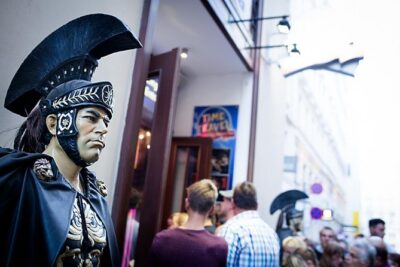
Skip-the-Line Schonbrunn Palace Guided Tour and Vienna Historical City Tour
Read our review →
Vienna Mozart Concert in Historical Costumes at the Musikverein
Read our review →
Lists this tour appears in