
Appraised · VIENNA WALKING TOURS
Vienna: History Highlight Walking Tour
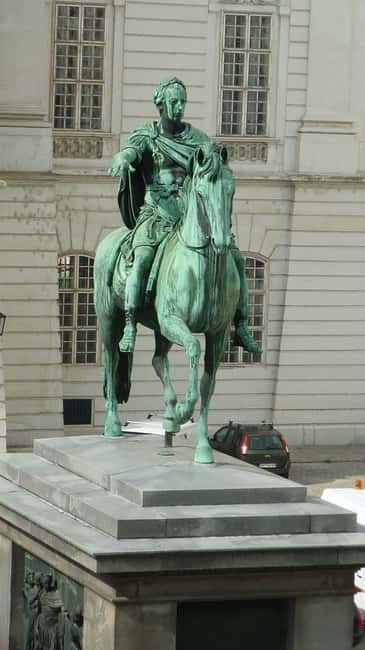
This experience is interesting because Vienna’s story is written right on the street. You move from Roman Vienna to Habsburg showpieces and then to WWII reminders, all with a guide like Herbert Stojaspal making the buildings feel personal and readable.
I love the way the tour connects big-name landmarks to real details you would likely miss, especially at Hofburg and the Imperial core. I also love the lively guide style, with past groups led by Herbert and Wolfgang, mixing humor with facts. One possible drawback: entrance fees are not included, so a couple of interior moments can cost extra depending on what you want to see.
Key things to look forward to
- A tight 2-hour route that gives you fast orientation in Central Vienna
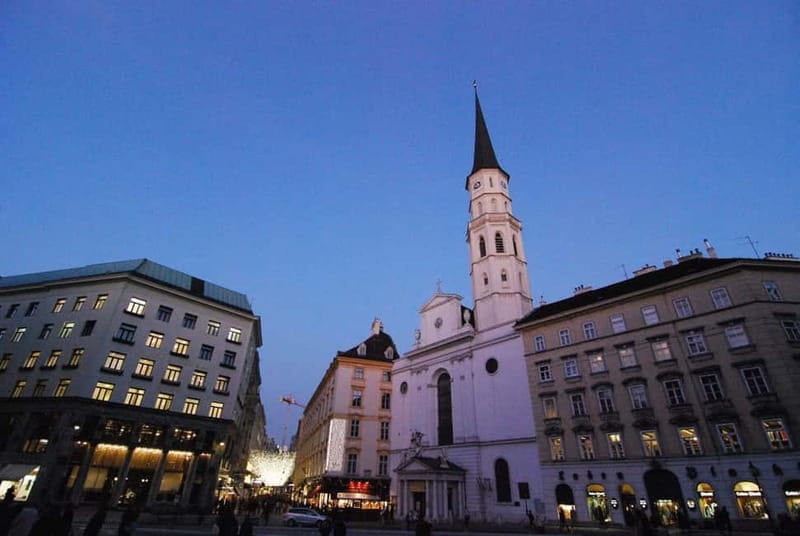
- Michaelerplatz excavations and the Roman Vienna origin story
- Hofburg scale, mapped in human terms, including the huge 555,000 m² grounds
- Austrian National Library roof symbol and why Joseph II matters here
- Albertina and WWII context plus Monument Against War and Fascism nearby
- Imperial Crypt burial rituals and the darker side of Habsburg power
Why this Vienna history walk is such good use of your time
Vienna can look like a postcard of palaces and churches. The hard part is figuring out what you are actually looking at. This tour solves that problem by taking you through the imperial center in a quick, structured loop, then explaining how the pieces connect.
I like that it is built for real first-timers. You start with the older layers, Roman Vienna, then move to Habsburg rule, then hit the WWII scars that are still part of the city’s memory. You end at St. Stephen’s Cathedral, which is a perfect visual finish because you leave with a clearer sense of where everything sits.
You also get the one thing that usually makes self-guided wandering slower: direction. The guide points out what matters, why it matters, and what to notice next. That is a big part of why the tour earns such high scores.
More walking tours in Vienna:
- Vienna: Guided Walking Tour of City Center Highlights
★ 4.7 · 4,989 reviews - Vienna: Vienna Central Cemetery Guided Walking Tour
★ 4.8 · 3,307 reviews - Vienna: Guided Walking Tour of City Highlights & Hidden Gems
★ 4.9 · 2,180 reviews
Before you go: weather, small groups, and tour rules that matter
This is an all-weather walking tour. Bring an umbrella if rain is possible, and wear shoes that can handle cobblestones without turning your ankles into a souvenir.
It is also a small-group experience, so you are not stuck listening to a guide shout from the back row. Many groups have described it as very small, even effectively private at times, which usually means better answers when you ask questions.
A few rules to plan around: you cannot bring luggage or large bags, and the tour does not allow video recording or audio recording. If you are the type who likes to capture everything, you will need to stick to notes and photos only.
The tour runs in English and German. It is not suitable for children under 12, and it is not suitable for people with mobility impairments.
Meeting at Loos Haus, then walking from Michaelerplatz into Roman Vienna
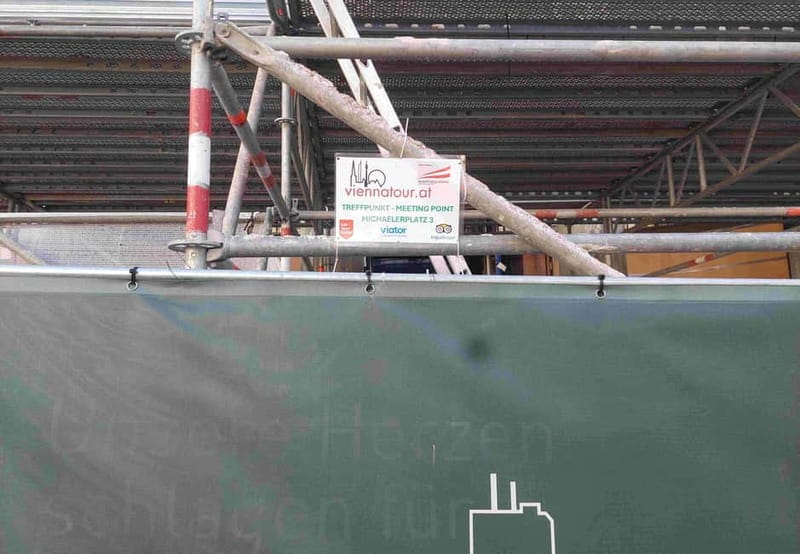
The tour starts in front of Loos Haus at Michaelerplatz 3, just a short walk from the Herrengasse U3 metro stop. The building facade carries the Raiffeisenbank name, which makes it easier to spot once you are there.
From the first moments, the guide sets you up with the big question: why a castle was built in this place. That matters because it explains how Vienna’s layout grew around power, not just beauty. You then tour the Michaelerplatz excavations, where you get a guided look at layers of earlier Vienna rather than starting only with palaces.
This is a smart warm-up. By the time you move into the imperial district, you understand the city as a timeline instead of a list of stops. You also get your bearings fast, which makes the rest of your stay smoother, because you can later connect what you saw on the tour with what you choose to do on your own.
Hofburg Palace and Heldenplatz: learning the scale behind the drama
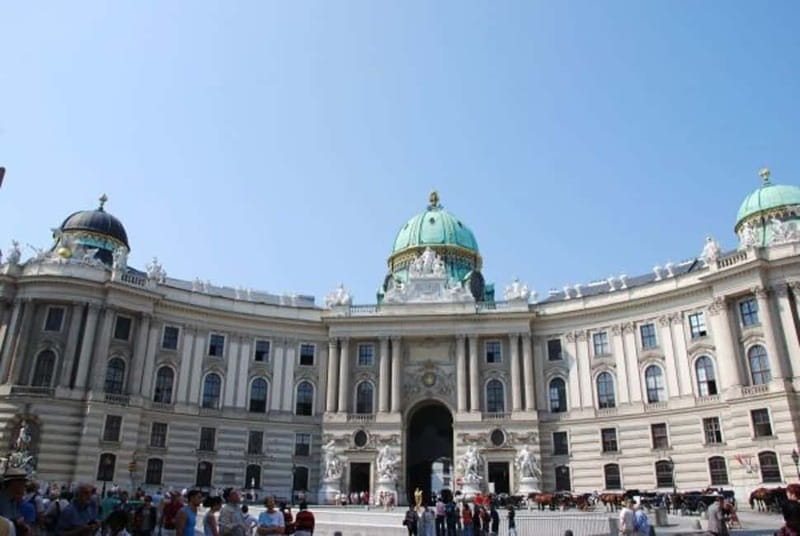
Next comes the Hofburg Palace area and the story of how rulers shaped both politics and scenery. The tour highlights the huge grounds, covering 555,000 m², and the size is not just trivia. It helps you picture what it meant to govern from here.
At Heldenplatz, you get a guided look at why the square is so large, and what is hiding behind the grand facades. Vienna has plenty of monumental buildings that can feel mute when you first arrive. The guide’s job is to put voices back into the stone, so the architecture starts to make sense.
If you like a city tour that also teaches you how to read buildings, this section delivers. You learn to connect symbols and placement to power structures. And because the walk is continuous, you do not lose momentum every time the group turns a corner.
More history tours in Vienna:
- Vienna: Time Travel and Magic Vienna History Tour
★ 4.6 · 3,879 reviews - Vienna: World War II Historical Walking Tour
★ 4.8 · 1,772 reviews - Vienna Historic Center Small Group Walking Tour
★ 5.0 · 1,746 reviews - Time Travel-Magic Vienna History Tour Ticket
★ 4.5 · 1,099 reviews
Imperial Treasury and the Austrian National Library state room
After Hofburg and Heldenplatz, you step into the realm of objects and institutions. The Imperial Treasury stop helps you understand why it is more than a display room. It is tied to the idea of legitimacy, ceremonial power, and the way emperors used material culture to reinforce authority.
Then you pass the Austrian National Library with its state room. This is one of those Vienna spots where people often take photos, but forget to look for meaning. The guide points out what the symbol on the roof means and why the square connects to Emperor Joseph II.
That roof-symbol moment is a great example of the tour’s value. It trains you to notice details that can look random if no one explains them. After the tour, you tend to look longer, not just faster, and Vienna rewards that habit.
If you are trying to decide which museums to prioritize later, this stop gives you a useful baseline. It helps you spot what style, themes, and eras you genuinely want to go deeper on.
Albertina and the Monument Against War and Fascism: art, memory, and the heavy side of town
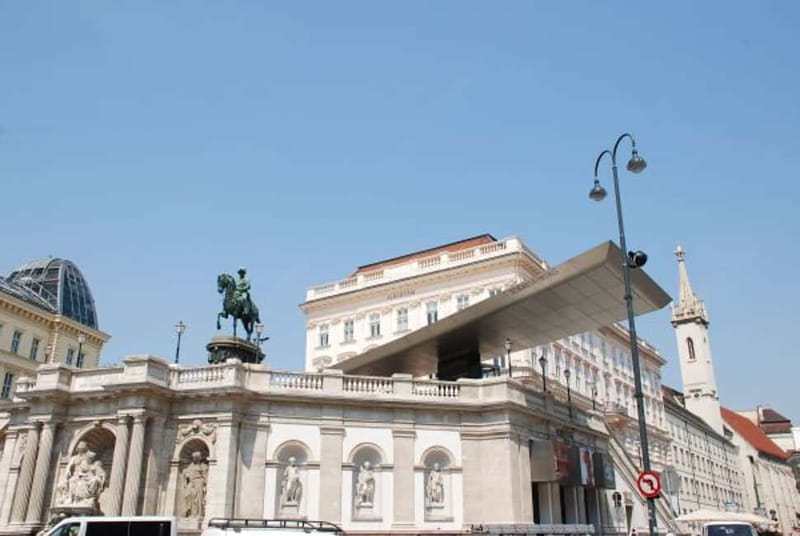
The tour continues to the Albertina Museum, home to the largest graphical collection in the world. Even if you do not plan to go deep into prints and drawings on your own, it is worth learning why Albertina matters. It is one of those places where “art” in Vienna is not separate from history, it is part of how people understood culture and status.
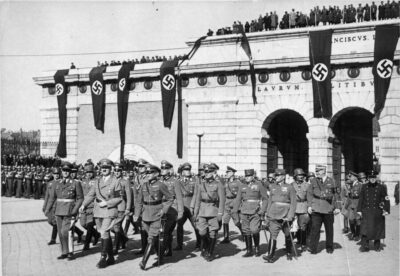
Then you are confronted with the WWII reality near the Monument Against War and Fascism. This is where the tour refuses to stay purely decorative. You see how the city remembers, and you hear why that memory is built into public space.
On the route, you also stop at the State Opera area and learn why the Hotel Sacher now stands in place of the Carinthian Gate Theatre. That connection between a famous landmark and something that used to be there makes the modern city feel less arbitrary.
And yes, along the way you get the “dark times” context tied to what you see near Albertina and the WWII memorial. It is not a lecture. It is a guided way to notice what the city did not erase.
St Michael’s Church, Habsburg weddings, and Neuer Markt’s Providentia Fountain
Vienna has plenty of churches, but this tour targets the ones where the stories are attached to power and tradition. You visit St. Michael’s Church, noted as Vienna’s third oldest, and you learn about the combination of three different architectural styles. That style mix becomes another clue about how Vienna evolved over time.
You also learn about the church where all Habsburg weddings took place. There is practical timing info too, since it is closed on Sundays and public holidays. The guide shares a detail that is easy to gloss over on your own, that the groom was not even present at some weddings.
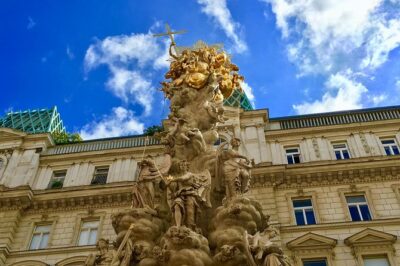
Then you reach Neuer Markt and the Providentia Fountain, where you get anecdotes that turn a fountain into a story anchor. It is one of those small stops that can make the rest of the tour feel more human. Instead of just seeing power buildings, you see the everyday layers that surrounded them.
If you like tours that connect big dynastic history to specific, concrete details, this part delivers. It also helps you understand why Vienna feels like it has a memory, not just a schedule.
Imperial Crypt: the burial ritual that explains more than you expect
The penultimate stretch leads you into the Imperial Crypt. This is not only a stop for architecture fans. It is a place to understand how the Habsburgs used ritual, symbolism, and ceremony to keep authority alive.
The tour focuses on the Habsburg burial ritual, and the point is not creepy shock value. It is about how rulers planned for continuity, even in death. When you see the crypt’s role in the broader story, it changes how you interpret everything you saw earlier in the imperial district.
One practical consideration: since this is a walking tour ending with cathedral-area time, you will want to keep your energy steady. You are not dealing with long bus rides here, but it is still a full focus span for a little over two hours. Pace yourself, and if you need a short break, ask the guide where the group can pause.
Ending at St. Stephen’s Cathedral, with WWII context you might not hear elsewhere
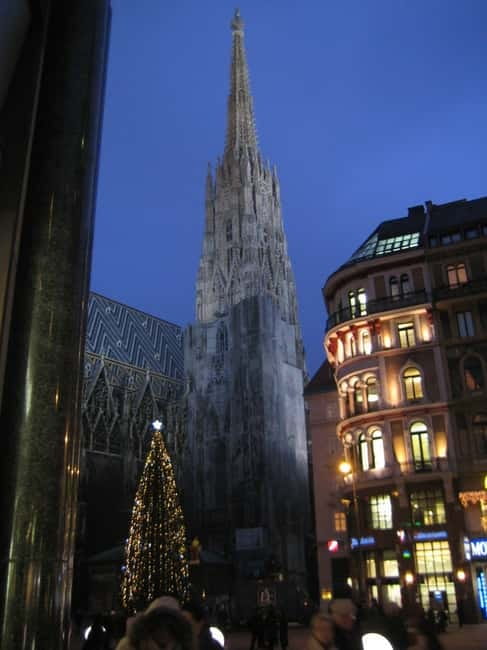
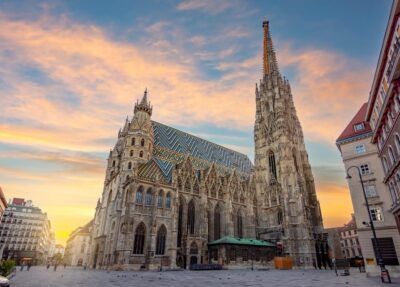
The tour ends at St. Stephen’s Cathedral, Vienna’s standout landmark. It is a strong finish because it is not just a pretty building. The guide ties the cathedral to the city’s WWII experience, including partial destruction during World War II.
You also hear why not everything you learn in school about these topics is accurate. I like finish points like this, because they give you something to keep thinking about after the tour ends, instead of sending you away with only a photo checklist.
If you are planning what to do next, this is where you can quickly decide whether you want a longer cathedral visit, a nearby café break, or a follow-up museum. You now have the “why” behind what you see, which makes your next hours in Vienna feel smarter.
Price and value: what $33 gets you, and where to budget extra
At $33 per person for about 2 hours, the best value comes from the guide work, not just the walking route. You get a sequence of major stops, from Michaelerplatz excavations to Hofburg, the Imperial Treasury, the Austrian National Library, Albertina, the WWII memorial area, and the Imperial Crypt.
The tour also functions like an orientation tool. Many people use it to decide what to see later, and the tour’s museum and monument explanations make those decisions easier. That is how you get your money back, because you stop second-guessing what you should spend time and ticket money on.
Two notes for budgeting: entrance fees are not included, and your experience inside specific sights may depend on what you choose to add beyond the guided moments. If you want to go further at any stop after the tour, be ready to pay separate tickets.
Who should book this tour, and who might want to choose something else
This one is ideal if you want a fast, structured route through Vienna’s imperial core with stories that make architecture and dynastic events feel connected. It is also a good match for couples and solo travelers who like asking questions and getting quick answers.
It is less suitable if you need step-free access or mobility-friendly routes, since it is not suitable for people with mobility impairments. It is also not for kids under 12.
If you are traveling with teens or older kids who can handle historical topics, the tour’s mix of humor and specific details can work well. But if your goal is a relaxed stroll with no heavy WWII content, you might want to scan the route focus first.
Should you book the Vienna History Highlight Walking Tour?
If you only have one short window to get clued into Vienna, I think you should book it. The route hits the big players, but it also teaches you how to look, why details matter, and how WWII and Habsburg traditions shaped what you see today.
Go ahead if you enjoy guides who connect buildings to people and you like a small group. Skip or compare if you need interior-only museum time, have mobility constraints, or you prefer a lighter, strictly scenic walk.
Recently reviewed around Vienna
- Vienna: Mozart, Beethoven, & Strauss Private Tour★ 5.0 · 4 reviews
- Vienna: Musical Tickets ROCK ME AMADEUS – THE FALCO MUSICAL★ 4.8 · 15 reviews
- Vienna: Mozart Concert with Dinner and Carriage Ride★ 4.8 · 25 reviews
- Private Melk Hallstatt, Salzburg tour from Vienna★ 4.9 · 22 reviews
- Vienna: ‘Armenia In The Heart Of Austria’ Tour★ 5.0 · 6 reviews
- Vienna: Luxury Vintage Fashion Walking Tour★ 3.4 · 8 reviews
- Vienna: Kunsthistorisches Museum Guided Tour incl. admission★ 4.9 · 32 reviews
- Vienna: Mozart Private Guided Tour★ 5.0 · 4 reviews
Vienna Walking Tours, side by side.

Guided Walking Tour of City Center Highlights
Read our review →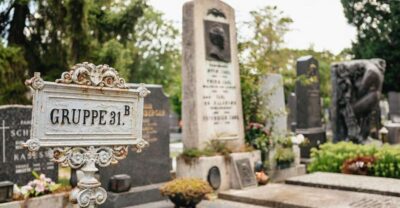
Guided Walking Tour of City Highlights & Hidden Gems
Read our review →
Vienna Historic Center Small Group Walking Tour
Read our review →
Lists this tour appears in