
Appraised · HISTORICAL TOURS
Exciting history tour and discovery of Vienna’s secrets
This tour is interesting because it strings together Vienna’s big icons and the smaller stories that explain why the city became what it is. You get a private group format, plus a guide who can answer your questions as you walk, not a rushed slideshow at the curb.
I really like two things here. First, major entrance tickets are handled on many stops, so you spend less time hunting for lines and more time looking up at the details. Second, the tour ties Vienna’s past to its music culture, so the Mozart and Beethoven stops feel like part of one storyline, not random photo stops. One possible drawback: this is a good-weather plan. If conditions are rough, you may be offered a different date or a refund, and you will still be out and about.
Why This Private Vienna Tour Feels Like a Local Introduction
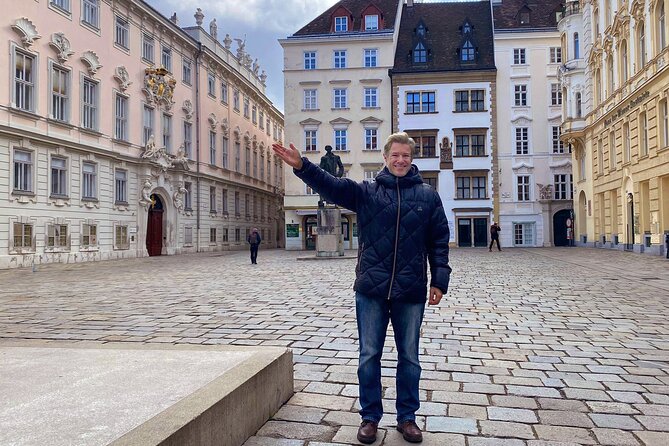
If you want Vienna to click fast, this style of tour helps. It moves through the city in a logical order, starting with the cathedral core and then swinging into imperial power, classical music, and the ceremonial traditions that made Vienna famous. The pace is set by your group and your guide, which matters when you are trying to process a lot in a short time.
A detail I appreciate is that the tour is explicitly built around conversation. The format is private, so you can ask, pause, and redirect without the awkward shuffle that happens in large group tours. And yes, the guide is there to explain what you are seeing, including the “how did this happen” background that usually takes you a week of reading to piece together on your own.
Two guide names come up in the feedback: Walter and David. Both are praised for being friendly, energetic, and strong on how history connects to modern life. That kind of guide matters, because Vienna is full of landmarks. It is the story behind the stones that makes it stick.
Key Stops That Turn Sightseeing Into a Story
- Stephansdom details you can spot immediately, from medieval and baroque frescoes to the Gothic south side and the cathedral’s famous tower history
- A classical music sweep that connects Mozart, Beethoven, Brahms, and Schubert, plus mentions of the State Opera and major concert halls
- Spanish Riding School time with the stable scene, film, and a UNESCO site focus on the baroque riding world
- The Hofburg as imperial “how it worked” history, including Empress Sisi’s wedding church and the imperial heart
- Ringstrasse walking views of museums, cathedrals, parliament, city hall, and other monumental institutions
- Optional Belvedere and Schönbrunn extensions if you have extra hours and want gardens, palaces, and art
More history tours in Vienna:
- Vienna: Time Travel and Magic Vienna History Tour
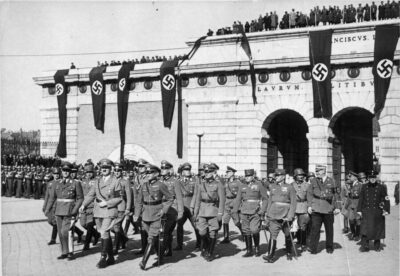
★ 4.6 · 3,879 reviews - Vienna: World War II Historical Walking Tour
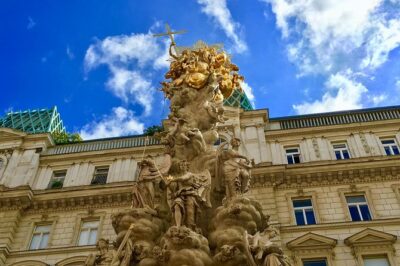
★ 4.8 · 1,772 reviews - Vienna Historic Center Small Group Walking Tour
★ 5.0 · 1,746 reviews
Meeting at Graben 32 and Getting Oriented Fast
The tour starts at Graben 32, 1010 Wien and ends back there. That matters because Graben is a central, easy-to-find area, and it reduces the headache of transit logistics. You are also told you can get a pickup offered, but private transportation is not included, so don’t count on a car ride between every stop.
From the meeting point, you will build a mental map quickly. Vienna can feel big when you first arrive, but walking a structured route through the old center makes everything line up. You start near the core of St. Stephen’s area, then keep moving toward palace grounds and the Ringstrasse boulevard, where you see how the city presented itself to the world.
You should also know what the tour is: a private walking tour with a fixed sequence of highlights, but time can flex, since the total duration is listed as about 2 to 8 hours including travel time. Bring the right layers. Vienna weather changes quickly, and this route includes enough outdoor time that you should plan like it might rain.
Stephansdom: Where Medieval Vienna Still Shows Up
You begin at Stephansdom (St. Stephen’s Cathedral) for about 20 minutes, with an admission ticket included. This is not just a quick look at the front. The guide will show you the cathedral’s older back side, the Gothic south side, and the tallest tower in the Middle Ages. Then you get the interior and explanations, plus medieval and baroque frescoes.
Why I like this start: Stephansdom is the visual anchor for Vienna’s story. It shows how different eras left their handwriting all over the same site. If you only see the postcard angles, you miss the “layers” part of the city. With a good guide, you notice what changed, what stayed, and what that says about Vienna’s priorities over centuries.
Practical note: this is a stop where you will naturally want to look up, and you will be doing it indoors and out. If it is rainy, plan for wet ground near the area. Wear shoes that won’t complain by hour two.
Mozarthaus Vienna: Classical Music as a Real Geography
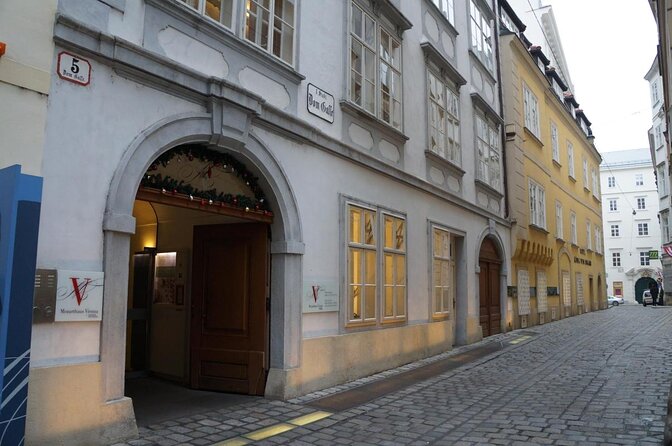
Next is Mozarthaus Vienna for about 10 minutes, with an admission ticket included. This part is designed as a fast, meaningful music primer. The guide connects the city to composers who lived in Vienna, starting with Mozart and moving through figures like Beethoven. You also get mention of Brahms and Schubert, plus references to major performance venues, including the State Opera and the important concert halls.
Here’s what makes this stop useful: it stops the “composer name” problem. When you attach the music to actual addresses, residences, monuments, and spaces, the city turns from a list into a timeline. Even if you have visited Vienna before, a music-centered walk helps you notice what you previously ignored.
You also get a sense of continuity. Vienna didn’t just happen to produce famous composers. The city built a stage for them, and the tour nudges you to recognize how the “music machine” worked.
A completely different kind of day, same corner of Austria:
- Vienna: Vivaldi’s Four Seasons Concert in Karlskirche
★ 4.7 · 14,951 reviews - Vienna: Schönbrunn Palace & Gardens Skip-the-Line Tour
★ 4.7 · 7,739 reviews - Vienna: Light of Creation Votive Church Immersive Light Show
★ 4.8 · 6,779 reviews - Vienna Spanish Riding School Guided Tour
★ 4.7 · 6,765 reviews
Spanish Riding School: UNESCO Ceremony Meets the Stall Stairs
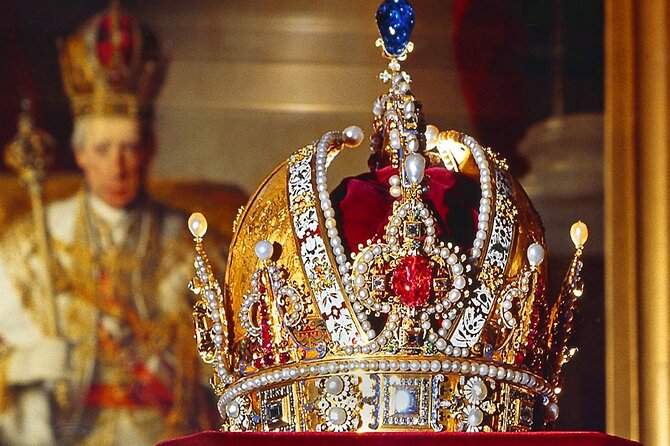
The tour then heads to the Spanish Riding School area for about 10 minutes. Admission here is listed as free for this stop. You will visit the baroque riding school, described as a UNESCO World Heritage site, and you will see the white Lippizan stallions in their stables. There is also a film about the baroque riding arena.
Why this matters for your trip: the Spanish Riding School is not just a show. It is a tradition with a very specific visual language, and the film and stable viewing help explain the whole setup. It also changes the feeling of the day. Up to this point, the history has been architectural and musical. Here it turns ceremonial.
Then you get a walking bridge into the old town: baroque streets, original shop displays from the monarchy, and some fascinating baroque churches. This is the kind of pacing I like because it prevents the day from becoming museum-only. You get a cultural thread and then a few “stop and stare” moments.
Hofburg Palace: The Habsburg Power Center in Plain Terms
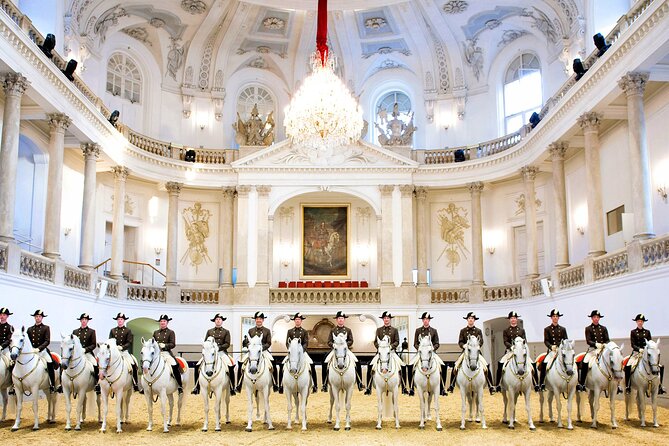
The Hofburg stop is one of the biggest, at about 30 minutes, with an admission ticket included. This is where the tour explains power, not just palace glamour.
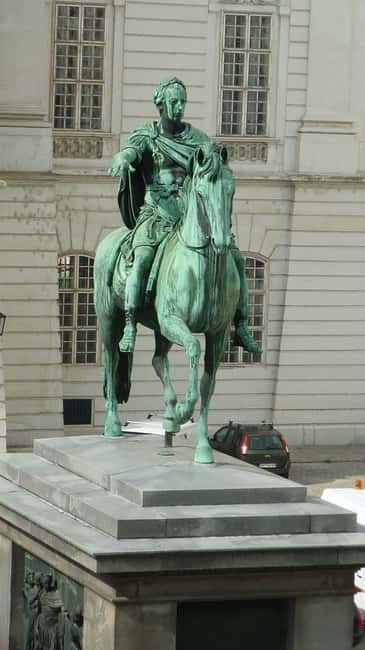
You see Monumental Heroes’ Square with equestrian monuments. Then you enter the courtyard to see the medieval castle and hear stories tied to Richard the Lionheart and his imprisonment in Austria. After that, the guide points out one of the most beautiful sides of the palace at Michaelerplatz, plus mention of the first modern building in the world.
Next comes the National Library, described as the most beautiful in the world, followed by the church where Empress Sisi got married and where you can see the heart of the imperial family. The stop also covers the Albertina and the palace gardens.
If Vienna’s scale sometimes feels confusing, the Hofburg stop is where it becomes understandable. This is how the Habsburg system lived day to day: religion, education, court life, display, and memory all under one roof. The tour also gives you enough story to make the spaces feel purposeful instead of just big.
Ringstrasse Walking: Big Vienna’s Grand Avenue
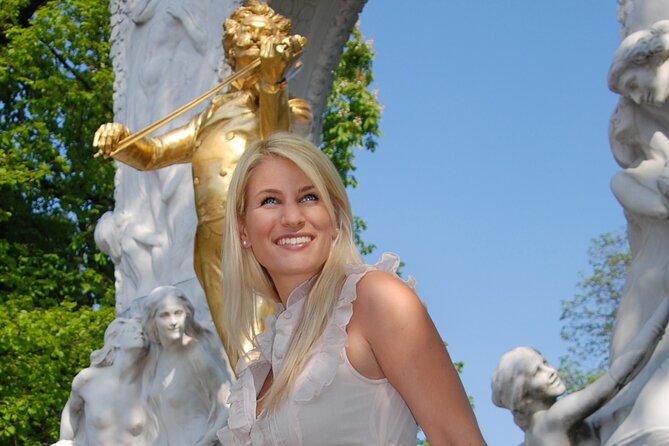
After Hofburg, you walk along Ringstrasse for about 20 minutes, with an admission ticket included. The Ring is where Vienna shows its “official face,” and this stop helps you recognize the names and roles of key buildings.
You will look at magnificent structures like museums, cathedrals, parliament, the town hall, a university, gardens, and palaces along the boulevard. Even if you are not visiting every interior, you start to see Vienna as a designed political and cultural statement, not just an old city.
My advice: treat this segment as a sight-reading exercise. Look for what each building is trying to communicate. After Hofburg, the Ring feels like the next chapter where power gets built into public space.
Schottenstift and Volksgarten: Monastery Peace, Then Rose Garden Drama
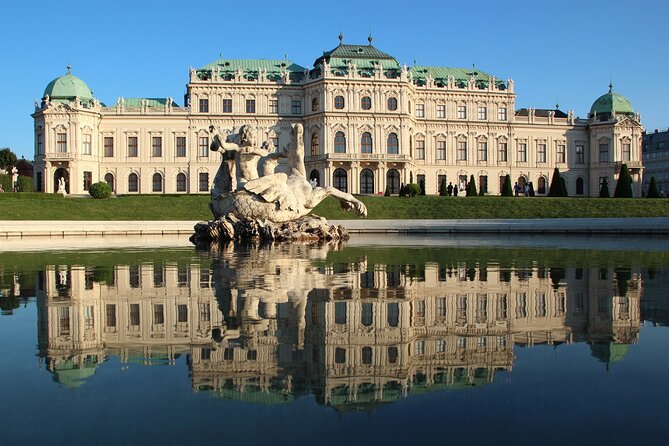
You then step into two calmer, more atmospheric stops.
First is Museum Schottenstift for about 10 minutes, with admission included. The tour enters the Scottish convent, including a green courtyard, then moves on to a Rococo church with depictions of Vienna’s history and stories about the first monks. This part is useful if you are tired of grand palaces. It gives you a different type of history, more human and more intimate.
Then comes Volksgarten for about 10 minutes, with admission included. The focus here is the most beautiful rose garden in Central Europe, plus monuments to Empress Elisabeth, poets, and temples. You also get baroque ornaments and the harmony of nature, which is a nice tonal reset after the Ring.
This pair works well when you are traveling with mixed interests. One person wants grand architecture, the other wants green time. You get both without changing cities.
Greek Orthodox Church in Wien: Oriental Architecture in the Middle of Vienna
Next is the Rumanisch-Orthodoxe Kirche in Wien for about 8 minutes, with admission included. The tour describes it as a cathedral with oriental architecture, and the guide provides explanations about the Orthodox denomination.
This stop is small but smart. Vienna is often presented as Catholic, imperial, and classical music heavy. Here you get a different cultural lens, which helps you understand why Vienna feels like a crossroads rather than a single-identity capital.
Belvedere Gardens and the Prince Eugen Walk-By
If you have more time, the itinerary includes Belvedere Palace gardens for about 1 minute, with admission included at least for the Belvedere Palace option. The guide includes a walk through the old town past Karls Church, squares, and gardens to reach the Belvedere gardens.
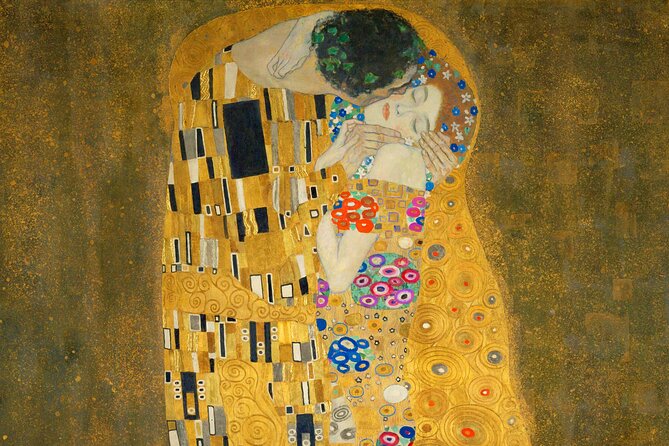
You meet Prince Eugen as a named figure in the tour route, and then you visit one of the most beautiful baroque palaces in the world, including the chance to admire world-famous paintings by Gustav Klimt.
Even if you already know Klimt, I like that you get there through gardens and baroque streets. It makes the arrival feel earned, not like you just entered a building with rules and ticket windows.
Schönbrunn Gardens: If You Want the Half-Day Palace Moment
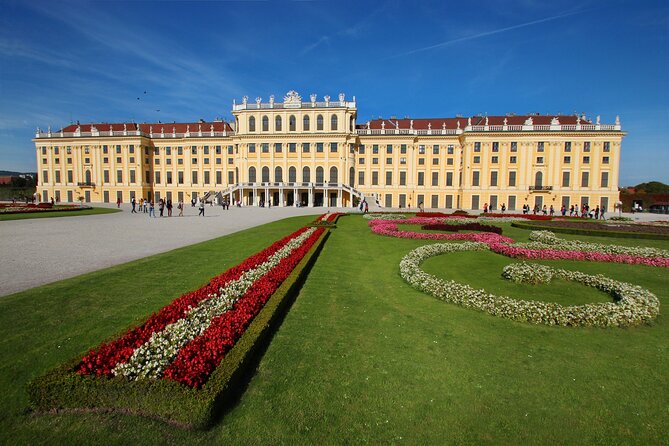
There is an optional extension here: Schönbrunner Gardens. The main route notes that if you ask directly, you can request a 1/2 day tour with a longer schedule. It also lists a separate 2-hour Schönbrunn option.
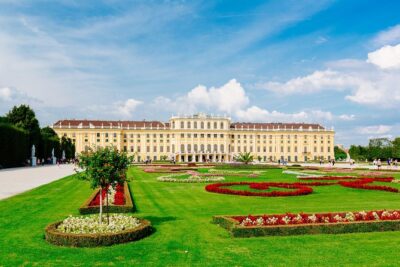
The Schönbrunn plan includes baroque gardens with colorful floral ornaments, fountains, secrets and monuments. You will also enjoy the royal family’s baroque palace and see imperial historic carriages. In the park, you can find the palm house and the oldest zoo in the world. At the highest point, you reach the Gloriette Pavilion and the route includes time tied to Viennese cake and coffee.
Budget reality check: coffee and tea are listed as not included, so even if the schedule includes a pause for that treat, plan to pay for it yourself. This is not a “drink included” situation.
This extension is great if you want Vienna to end on a wow-view. It is also ideal if you want to balance history with gardens and a palace backdrop that feels cinematic.
Price and Value: What $118.82 Buys You
The price is $118.82 per person. That number looks reasonable when you remember the tour is private and includes a guide for multiple core stops. Most walking tours in Vienna charge you for the guide time, then hit you again for separate tickets. Here, entrance tickets are specifically included for several major sites, including parts of the cathedral and Hofburg, plus other listed admissions throughout the day.
Also, the itinerary mixes “must-see” icons with story-driven stops. That is where private format can feel worth it. You are not just checking boxes. You are learning why Vienna became Vienna, through the eyes of the guide.
You can think of it as paying to buy time. Time to understand what you are looking at. Time saved from figuring out where to go next.
The Small Practical Stuff That Makes or Breaks This Day
A few details will help you enjoy the tour more.
You should start with comfortable walking shoes. The route includes long-ish sight stretches like Ringstrasse and several cathedral and palace areas. You also want a light rain layer, because the experience requires good weather and Vienna can switch moods fast.
Bring a plan for breaks. Coffee and tea are not included, so if you need a comfort stop, plan to buy one. The guide can help you pick a sensible moment, but you should still expect this to be a walking day.
Language is listed as English, and confirmation is sent at booking time. Mobile tickets are offered. If you are starting from farther out, note that the tour says pickup is offered, but private transportation is not included, so don’t assume you will be driven door to door between every stop.
Who This Tour Suits Best
This tour is a strong fit if you want a first-timer’s orientation that goes beyond photos. It is also ideal if you are a music fan, because the classical composers theme ties Vienna’s reputation to lived places and institutions.
I also think it works well for people who want “real conversation” without awkward pacing. The private group setup, plus a guide who answers questions, makes it easier to match the day to your interests, whether that means leaning more into the imperial story at Hofburg or taking extra time with the Spanish Riding School segment.
If you need a fully accessible plan, note that it is not suitable for deaf and mute people and not suitable for visually impaired people. That limitation is important to respect when choosing a tour.
Should You Book This Vienna Secrets History Tour?
Yes, if you want Vienna to make sense quickly, this is a good call. The mix of St. Stephen’s, Mozart and Beethoven context, Hofburg imperial storytelling, Ringstrasse grand architecture, and the Spanish Riding School tradition gives you multiple entry points into the city.
Book it especially if you like guided interpretation more than scavenger-hunt sightseeing. The private format, the conversation style, and the included admissions on many stops reduce friction and keep the day moving with purpose.
Skip it if you hate walking, you cannot travel in poor weather, or you need a more customized accessibility setup. Otherwise, I’d treat this as a smart, efficient way to start your Vienna days with a guide who connects the dots.
FAQ
How long is the Vienna tour?
The tour duration is listed as about 2 to 8 hours, including travel time.
What is the tour price per person?
The price is $118.82 per person.
Does the tour include entrance tickets?
Admission tickets are included for several stops. Some stops are listed as free, like the Spanish Riding School segment in the itinerary.
Is the tour private?
Yes. It is a private tour/activity, and only your group participates.
Is pickup available?
Pickup is offered. Private transportation is not included.
What language is the tour in?
The tour is offered in English.
What is the meeting point?
The tour starts at Graben 32, 1010 Wien, Austria, and ends back at the meeting point.
Is the tour dependent on weather?
Yes. The experience requires good weather, and if it is canceled due to poor weather, you will be offered a different date or a full refund.
Recently reviewed around Vienna
- Vienna: Mozart, Beethoven, & Strauss Private Tour★ 5.0 · 4 reviews
- Vienna: Musical Tickets ROCK ME AMADEUS – THE FALCO MUSICAL★ 4.8 · 15 reviews
- Vienna: Mozart Concert with Dinner and Carriage Ride★ 4.8 · 25 reviews
- Private Melk Hallstatt, Salzburg tour from Vienna★ 4.9 · 22 reviews
- Vienna: ‘Armenia In The Heart Of Austria’ Tour★ 5.0 · 6 reviews
- Vienna: Luxury Vintage Fashion Walking Tour★ 3.4 · 8 reviews
- Vienna: Kunsthistorisches Museum Guided Tour incl. admission★ 4.9 · 32 reviews
- Vienna: Mozart Private Guided Tour★ 5.0 · 4 reviews
Historical Tours, side by side.
Vienna Historic Center Small Group Walking Tour
Read our review →
Skip-the-Line Schonbrunn Palace Guided Tour and Vienna Historical City Tour
Read our review →
Vienna Mozart Concert in Historical Costumes at the Musikverein
Read our review →
Lists this tour appears in