
Appraised · VIENNA WALKING TOURS
Vienna Historic Center Small Group Walking Tour
Vienna is compact, but it can feel like a lot. This small-group walking tour turns the key sights into a clear, story-driven route you can use right away, with guides like Dace and Giselle known for keeping things lively and easy to follow. I especially like the way the audio devices make it simple to catch every detail, even when crowds thicken near major landmarks.
Two things I really like: you get both the grand Vienna of palaces and parliament and the everyday Vienna of streets, squares, and coffee-house culture, all in about 2.5 hours. The main drawback to consider is that this is a mostly outdoor orientation, so you should not expect to go inside museums or major attractions.
Key points to know before you go
- Max 15 people, so the guide can answer questions and keep the group together well.
- Audio devices included, helpful in busy spots like Stephansplatz.
- Mostly outside, with sight-focused stops rather than museum time.
- Ringstrasse and Hofburg covered, so you see both civic Vienna and imperial Vienna in one run.
- Church exteriors and select indoor moments, depending on weekday, not a guaranteed museum day.
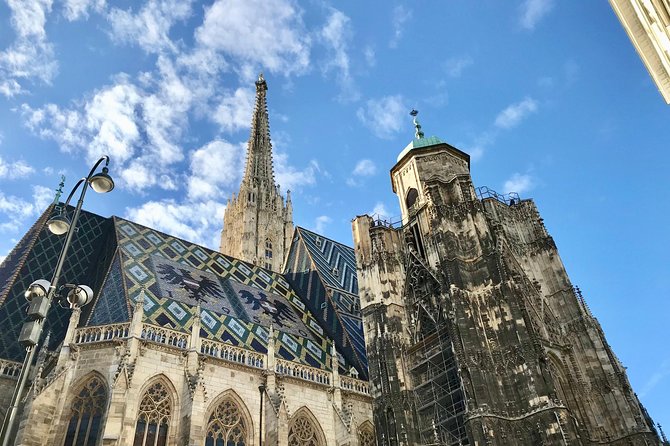
- Ends at St. Stephen’s Cathedral, so you can keep exploring on your own immediately.
Getting Oriented Fast: Small Group, Audio, and a First-Day-Friendly Route
This tour is built for the first time you walk Vienna. You start in the historic center and spend the next couple hours tracing the city’s main ideas: imperial power around the Hofburg, civic power along the Ringstrasse, and the city’s public heart at St. Stephen’s Cathedral and nearby shopping streets.
The group size cap of 15 matters. In places like Heldenplatz or around the Hofburg, you need room to hear and space to move. With a small group, you are less likely to feel lost, and the guide can redirect the pace when sidewalks get crowded.
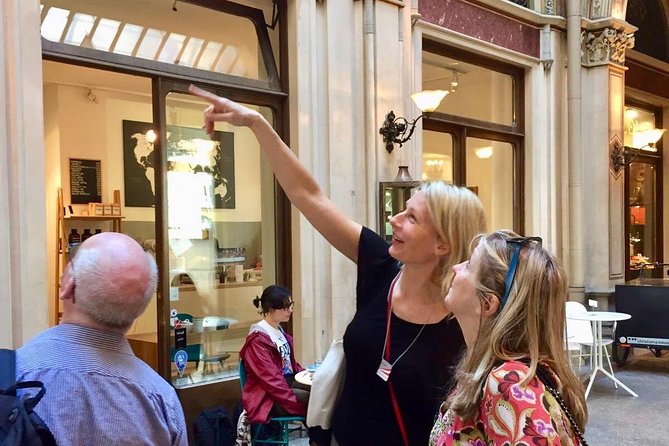
I also like that you do not have to play guessing games about what you are looking at. The tour uses audio devices, which is a lifesaver when you are surrounded by traffic noise, street crossings, or groups taking photos. That is part of the value here: it helps you understand what you are seeing, not just pass by it.
More walking tours in Vienna:
- Vienna: Guided Walking Tour of City Center Highlights
★ 4.7 · 4,989 reviews - Vienna: Vienna Central Cemetery Guided Walking Tour
★ 4.8 · 3,307 reviews - Vienna: Guided Walking Tour of City Highlights & Hidden Gems
★ 4.9 · 2,180 reviews
Maria-Theresien-Platz to Ringstrasse: From Museum Square to UNESCO-Class Boulevard
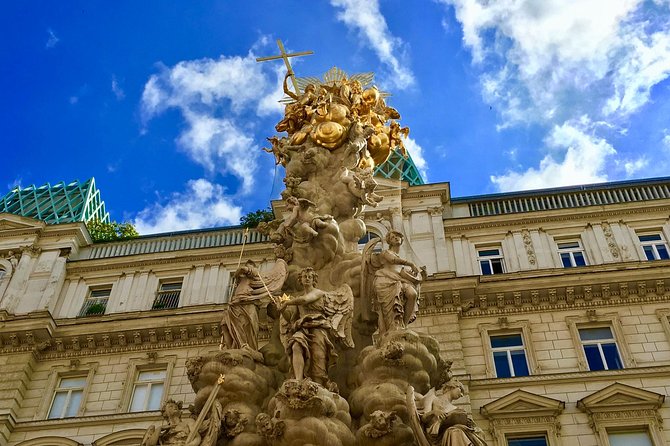
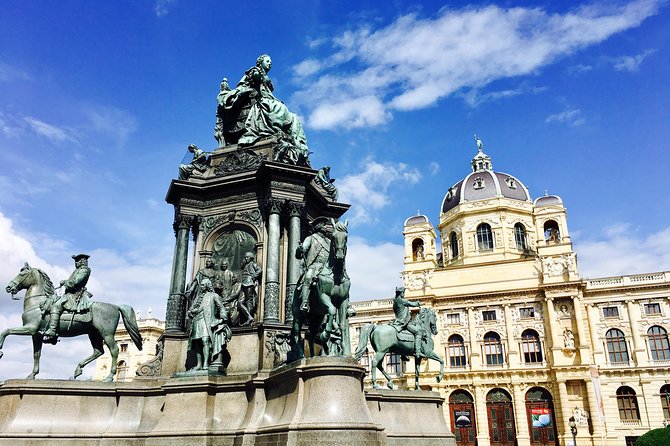
You begin at Maria-Theresien-Platz, a big square between the museums quarter and the Ringstrasse. Even if you never enter those museum buildings, the square gives you the right visual scale: twin towers, strong symmetry, and the towering presence of Empress Maria Theresa watching over the scene.
From there, you move to the Maria Theresia Denkmal, a monumental tribute to one of the most important figures on the Ringstrasse. This stop is short, but it sets the tone. Vienna is full of statues, yet here you feel how the city uses public art to tell a political story.
Then comes the Ringstrasse itself. The tour frames it clearly as the grand boulevard that replaced older medieval defenses in the 19th century. You also get the architecture mix in real view, with the blend of Classical, Gothic, Renaissance, and Baroque styles along a single circular road. That UNESCO designation the tour mentions is not just trivia. Standing on (or right near) the Ring, you can see why it is considered a unified historic showcase.
You also pass major civic landmarks along the way, including the Austrian Parliament Building and the neo-Gothic Town Hall (Rathaus) area. This is the kind of street-walking that upgrades your photos too, because you understand what each building is trying to project: authority, permanence, and order.
Hofburg and Heldenplatz: Habsburg Power, Public Squares, and the Stories Behind the Stone
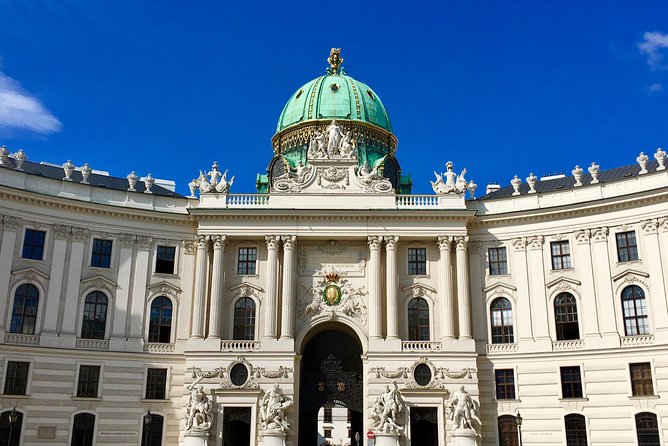
You spend meaningful time around the Hofburg, which is the historic engine room of imperial Vienna. The guide points out the palace’s long development and connects it to court life, emperors and empresses, and the shift from old imperial power to modern Austria.
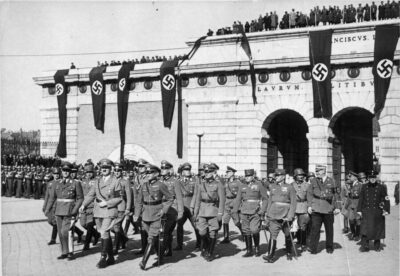
A key moment is the view and discussion of the New Castle (Neu Castle) area. The tour calls out an infamous 20th-century event tied to the balcony, the kind of history that makes the architecture feel heavy, not just pretty. Even if you know the headline, hearing the story while you are physically in the space changes how the place lands.
Next you reach Heldenplatz (Heroes Square), created after the demolition of old fortifications during the Napoleonic Wars. That historical “why” helps you understand the space. It is not just a green open area for walking. It is the city reshaping itself, literally carving out a stage for public life near the palace.
If you like political history, this part is where the tour really pays off. You walk past the buildings and courtyards as if they are chapter headings, not isolated monuments. It also helps you see why the Hofburg anchors so many other Vienna stories you hear later.
Churches and Civic Vienna: St. Michael’s Atmosphere and the Rathaus Factor
After the palace complex and major squares, the tour moves into the everyday spiritual and civic fabric of the city.
One standout stop is St. Michael’s Church, with a date back to around 1220. Even without entering, you get a feel for why older churches still feel intimate in a big city. The guide’s commentary gives you context so the building reads like a timeline rather than random stonework.
Then you circle back to the civic side with Rathaus, the City Hall, described as neo-gothic. This is the kind of structure that looks theatrical from outside. If you are the type who likes symmetry and dramatic facades, this stop will make you pause for photos and for that small moment of realization: Vienna built much of its identity in public buildings.
The tour also references the office of the Federal Chancellor along the route. Even in short exterior passes, this kind of information turns your walk into a mental map of how modern Austria functions in the same city that once ran on empire.
More history tours in Vienna:
- Vienna: Time Travel and Magic Vienna History Tour
★ 4.6 · 3,879 reviews - Vienna: World War II Historical Walking Tour
★ 4.8 · 1,772 reviews - Time Travel-Magic Vienna History Tour Ticket
★ 4.5 · 1,099 reviews - Skip-the-Line Schonbrunn Palace Guided Tour and Vienna Historical City Tour
★ 3.5 · 940 reviews
Coffee, Culture, and University Vienna: The Subtle Stops That Make the City Feel Real
Not every highlight here is “big-ticket architecture.” Some of the most memorable moments are the smaller cultural references that make Vienna feel lived in.
The tour includes time near Freyung, one of the older squares in the center. It is the kind of place that feels quieter than the main shopping streets, and that contrast helps you recharge mentally. You also get the benefit of stepping away from constant “palace mode” into more human-scale city life.
Another good culture stop is near the historic coffee-house area described in the route details. The tour connects famous writers, composers, and even thinkers like psychoanalysts and revolutionaries meeting in Vienna over coffee, cake, and cigars. Even if you skip the actual coffee-house visit during the walk, the guide’s framing helps you understand why Vienna’s café culture is not just a tourist ritual. It is a tradition tied to ideas and conversation.
The tour also stops at Universität Wien and connects it to major minds such as Sigmund Freud and Lise Meitner. This is where Vienna’s identity as a city of ideas shows up again, but with less monumentality and more intellectual legacy. If you are visiting museums later, this kind of orientation can make those visits click.
Burgtheater, Volksgarten, and the Theater of Vienna’s Taste
You also get a strong arts signal with Burgtheater, described as one of the best theaters in the world. Even if you only see the exterior, this stop helps you place the theater as a central pillar of Austrian cultural life, not a side attraction.
Then you move to Volksgarten, where you can see the park’s structure and the Theseus Temple replica mentioned in the tour details. The guide also adds context about Antonio Canova’s sculpture connection, which is a nice way to connect Vienna to wider European art traditions.
Volksgarten also connects to music culture with the reference to the Cortisches coffee house, where composer Johann Strauss used to play his waltzes. It is the kind of fact that makes the park feel less like a green patch and more like a stage for Vienna’s sound.
This is a good time in the tour to notice how the guide paces you. It breaks up the heavy “power building” sections, and it gives you a mental landing spot before the final walk toward Stephansplatz.
Beethoven Pasqualatihaus, Freyung Corners, and the Final Pull to St. Stephen’s
One of the more charming stops is Beethoven Pasqualatihaus, a former residence of Ludwig van Beethoven. The tour positions it on the ramp of former town fortifications, so the building connects back to the city’s layers of history. For music lovers, this is a quick stop that feels meaningful.
You also pass Palais Ferstel, described as originally housing the Austro-Hungarian National Bank and the Stock Exchange. That is an easy way to remind yourself Vienna was not only imperial and cultural. It was commercial and financial too, and some of that gravity is visible in the street presence of these grand buildings.
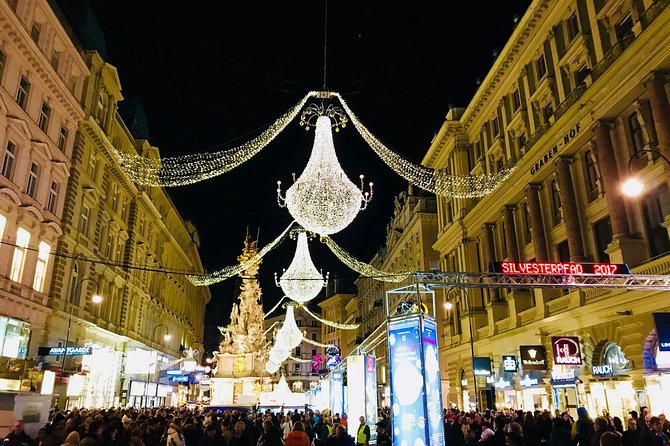
As you move toward the finale, you walk through Graben and Kohlmarkt, described as the city’s most elegant pedestrian streets. This is where you feel the tourist and local mix. If you want a quick “shopping street” break without committing to a full detour, this is a good segment.
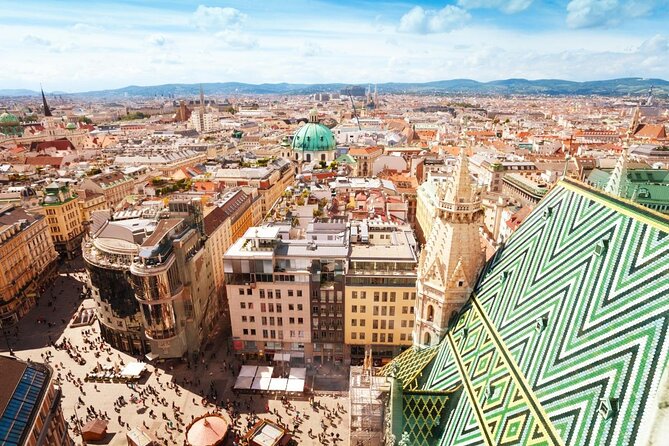
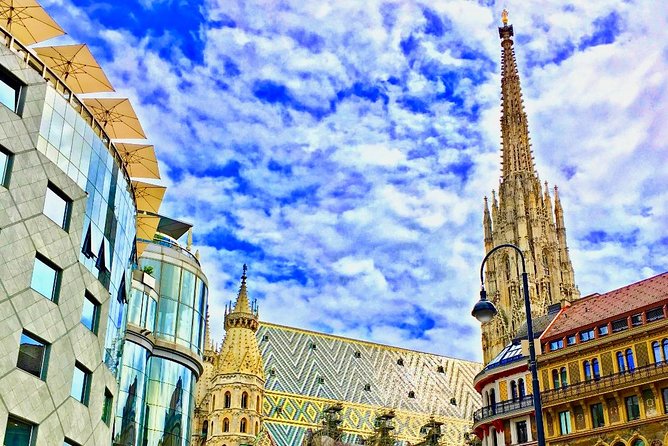
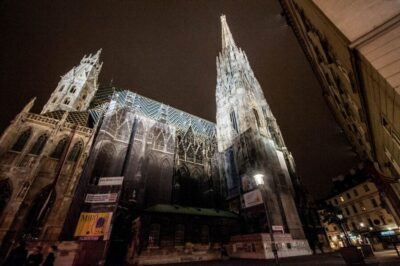
Finally, you reach Stephansplatz and then St. Stephen’s Cathedral. The tour ends here, which is a smart move. You are at Vienna’s most famous landmark, and you can decide what you want next without a group schedule.
Practical tip: if you plan to explore inside after the tour, give yourself a little buffer. The cathedral area is one of the busiest places in the center, so your time is more likely to be affected by lines and crowds than by weather.
Price and Value: What You Get for About $72
At around $72.56 per person for about 2.5 hours, this is not a budget “quick hit,” but it also is not priced like a full museum day. The value comes from three things the tour clearly prioritizes.
First, you get structure. The route connects the Ringstrasse, Hofburg, and St. Stephen’s area so you can map Vienna fast. Second, the tour uses audio devices, which is a real quality-of-life inclusion when you are outdoors in a loud city. Third, the guide offers restaurant and café recommendations and “insider tips” on culture and traditions, which helps you turn your sightseeing day into a full itinerary.
One more value factor is the content style. This is focused on seeing the city and understanding the stories behind exteriors. That fits perfectly if you do not want to spend hours in ticket lines, but you still want the context so the buildings mean something.
If your main goal is museum interiors, you might feel under-satisfied. The tour is not built for inside visits of museums. It is built for street-level orientation and storytelling.
Who This Tour Fits Best (and Who Might Skip It)
This tour is ideal if you are a first-time visitor or if you only have one day to get your bearings. It is also a great pick if you like history, politics, and culture, but do not want to sit inside all afternoon.
You’ll likely enjoy it if you:
- Prefer guided context while you walk, not just a self-guided audio app
- Want a compact route that covers major areas like Ringstrasse, Hofburg, and Stephansplatz
- Value a small-group experience with time for questions
You might want to choose something else if:
- You want guaranteed museum entrances, since the tour specifically does not visit museum interiors
- Your walking mobility is limited, because the tour notes moderate physical fitness and says it is not recommended for travelers with walking disorders
- Weather is very poor for your trip, since the experience requires good weather
Practical Tips for a Smooth Walk
Wear comfortable shoes. Even at 2.5 hours, this route covers a lot of ground across multiple central squares and streets.
Dress for the weather. It is a mostly outdoor tour, and the cancellation guidance (good weather requirement) is there for a reason. If rain or cold slows you down, your best strategy is to layer and stay flexible.
Bring curiosity. The guide’s stories make the stops more than “photo points.” Even short segments like Maria Theresien Denkmal or Burgtor become clearer when you listen for what the buildings represented in their time.
And one more tip: use Stephansplatz after the tour to decide your next move. Since the walk ends at St. Stephen’s Cathedral, you can continue exploring at your own pace, grab a meal, or branch into a neighborhood you feel drawn to.
Should You Book This Vienna Historic Center Walking Tour?
Yes, you should book it if you want a smart, time-saving introduction to Vienna. This is the kind of tour that helps you understand where everything fits, and it does it with the small-group feel plus audio clarity that makes city walking actually enjoyable.
Skip it if your priority is museum interiors, since the tour is mostly about exteriors and storytelling rather than entry tickets. Also consider weather and your walking comfort, because the route is designed for people who can handle sustained walking at an efficient pace.
If you want to make your Vienna trip easier and more meaningful from day one, this is a strong choice.
FAQ
What is the duration of the Vienna Historic Center Small Group Walking Tour?
The tour runs for approximately 2 hours 30 minutes.
How much does the tour cost?
The price is $72.56 per person.
How big is the group?
The tour is capped at a maximum of 15 travelers.
Where does the tour start and end?
It starts at Maria-Theresien-Platz, Wien, Austria and ends at Stephansplatz, 1010 Wien, Austria.
Is the tour offered in English?
Yes, it is offered in English.
Does the tour include museum entry?
No. The tour does not visit inside of any museums. It is mostly an outdoor experience, though churches and some other indoor locations may be visited depending on weekday.
What is included in the tour price?
Included are a local certified tour guide, historic center walking tour, audio devices, personal recommendations for restaurants and cafés, and insider tips on Vienna culture, food, and traditions.
Is a mobile ticket provided?
Yes, the tour includes a mobile ticket.
Is the tour mostly outdoors, and what about weather?
It requires good weather. If it is canceled due to poor weather, you are offered a different date or a full refund.
What is the cancellation policy?
Free cancellation is available up to 24 hours in advance for a full refund. If you cancel less than 24 hours before the start time, the amount paid is not refunded.
Recently reviewed around Vienna
- Vienna: Mozart, Beethoven, & Strauss Private Tour★ 5.0 · 4 reviews
- Vienna: Musical Tickets ROCK ME AMADEUS – THE FALCO MUSICAL★ 4.8 · 15 reviews
- Vienna: Mozart Concert with Dinner and Carriage Ride★ 4.8 · 25 reviews
- Private Melk Hallstatt, Salzburg tour from Vienna★ 4.9 · 22 reviews
- Vienna: ‘Armenia In The Heart Of Austria’ Tour★ 5.0 · 6 reviews
- Vienna: Luxury Vintage Fashion Walking Tour★ 3.4 · 8 reviews
- Vienna: Kunsthistorisches Museum Guided Tour incl. admission★ 4.9 · 32 reviews
- Vienna: Mozart Private Guided Tour★ 5.0 · 4 reviews
Vienna Walking Tours, side by side.
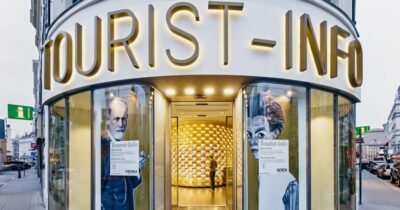
Guided Walking Tour of City Center Highlights
Read our review →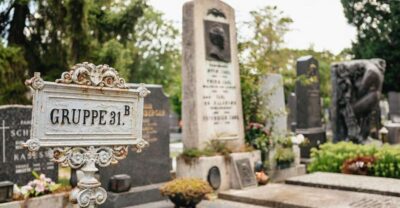
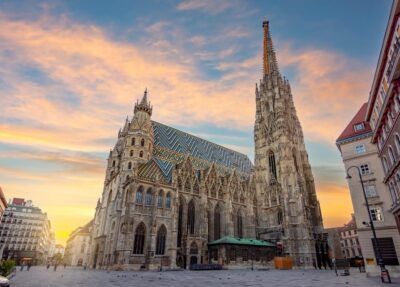
Guided Walking Tour of City Highlights & Hidden Gems
Read our review →
Ghosts and Legends Guided Nighttime Walking Tour
Read our review →Lists this tour appears in