Appraised · TOURS
Vienna: Time Traveling Virtual Reality Sightseeing Tour
Vienna as a city is already a little theatrical, and this experience leans into that. You walk through the old town, then pop on 360 degree VR to watch time travel scenes play out around you like you’re standing inside history. It is a clever way to turn famous streets into a timeline you can actually follow.
I really like the mix of live guide storytelling and a multilingual audioguide. When the guide is clear in both English and German, you get context fast, and the audio languages (English, Spanish, Dutch, French, Italian, Russian) help if your group is mixed.
One thing to keep in mind: the VR can feel a bit “early generation” depending on the scene. Some footage has looked slightly blurry or less engaging for certain moments, so don’t expect razor sharp faces in every sequence.
Key things to know before you go
- Six major scenes take you from 1483 to WWII, with a plague stop and a lighter moment featuring singer Augustin
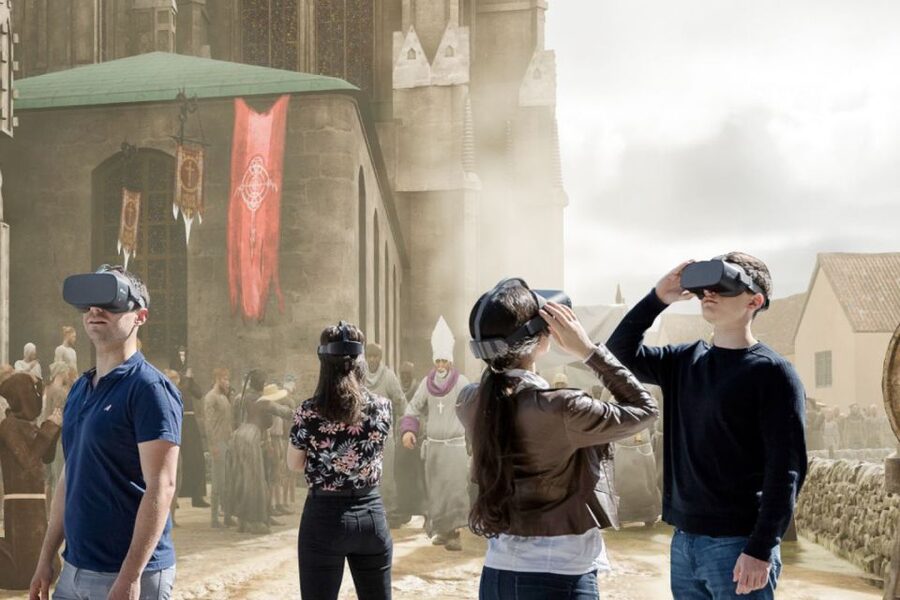
- White Sunday (1483) brings out ornaments for a public procession, a detail most people miss
- The Ottoman siege setting (1683) is shown as a real threat, not just a date in a book
- A Hofburg hunting walk with Sisi and Emperor Franz Joseph II, with a playful wink prompt near the road
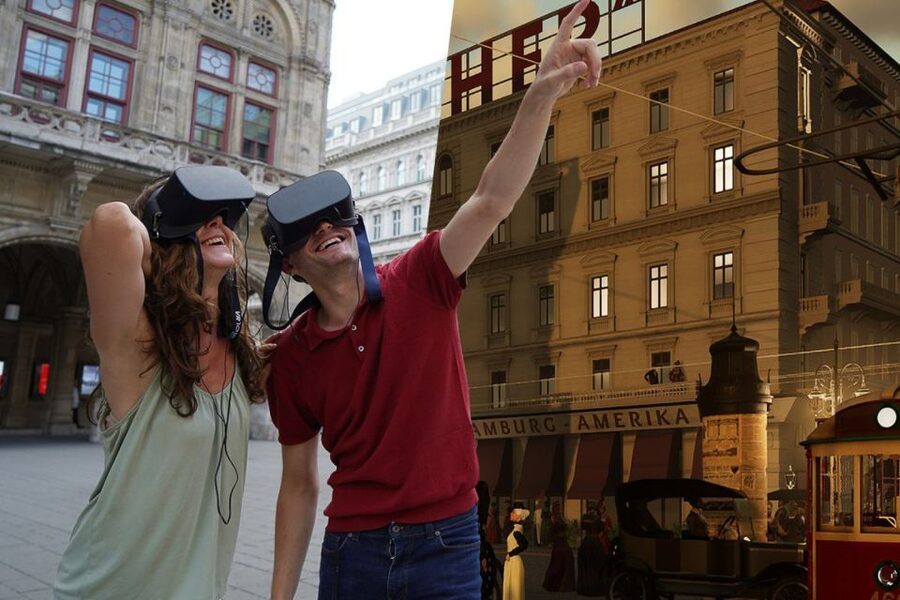
- The Golden 20s opera atmosphere shows how a performance world works before the curtain
- St. Stephen’s Square and WWII endings: the cathedral fire and the Soviet drive out of the last German soldiers
Neuer Markt 6 to Albertina: how the timing and route feel
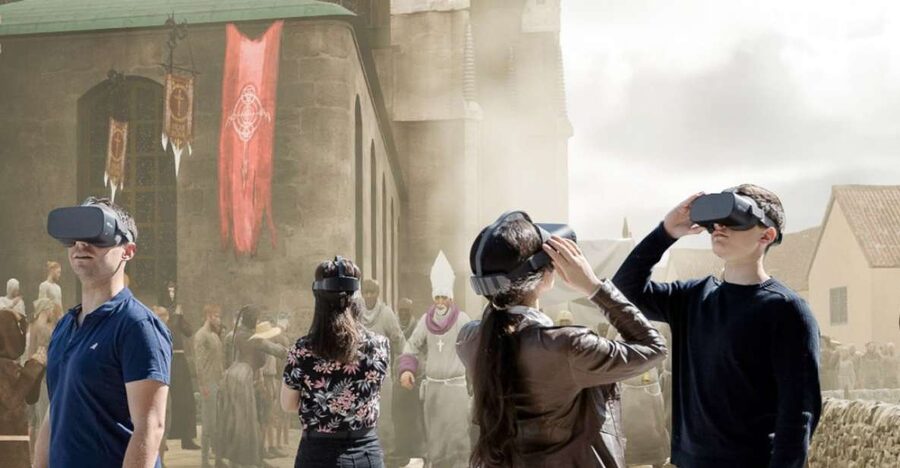
This is a focused, two hour style outing, not an all day museum marathon. You start at Neuer Markt 6, and you finish in the area of Albertina, so you can tack it onto a first day in town and still have time afterward.
The route covers about 3.2 kilometers on flat terrain. That matters because the experience depends on you being able to move steadily, then stop at specific points for the headset scenes. If you like walking but don’t want steep climbs, this is the right kind of pace.
Plan to arrive 15 minutes early. Look for the turquoise colored entrance, since the start is at a street level meeting point in the old town area. Also note the tour may be canceled for heavy rain or a storm, sometimes close to departure, so keep a flexible attitude on the weather front.
Other things people book around Vienna:
- Vienna: Vivaldi’s Four Seasons Concert in Karlskirche
★ 4.7 · 14,951 reviews - Vienna: Schönbrunn Palace & Gardens Skip-the-Line Tour
★ 4.7 · 7,739 reviews - Vienna: Light of Creation Votive Church Immersive Light Show
★ 4.8 · 6,779 reviews
Six VR scenes that turn Vienna into a timeline you can follow
The whole concept is simple: walk between recognizable places, then use VR to experience the event connected to that spot. You get VR glasses plus earphones for the audio guide, and the headset segments are the moments that make everything click.
Across the day, the storytelling runs like a chronology. You start with public spectacle in the late Middle Ages, move into danger and survival during early modern crises, then land in late imperial Vienna, and finally end with the shock of WWII. That structure helps you remember what you just saw, because each scene comes with a clear “then this happened” context.
White Sunday procession in 1483, with the ornaments brought out
One of the first scenes is White Sunday in 1483. It’s one of those rare occasions when ornaments were brought out and shown publicly, so you get a sense of how religion and community life mixed in a city square setting.
This scene works best if you like small details. Instead of only focusing on big names, the story leans on how people actually gathered, watched, and participated. In a city where so much looks permanent, it’s a useful reminder that public moments were once the main entertainment and the main social glue.
The Ottoman siege moment around 1683, fear with a date attached
Next comes the Ottoman threat during the second siege in 1683. The point is not just to learn the date, but to feel the urgency, the atmosphere, and the fact that Vienna wasn’t always the secure center it later became.
If you prefer history that has tension, this stop is for you. The VR portion is designed to let you see the event as something happening to real streets and people, which is why it lands harder than standard “here’s a plaque” sightseeing.
A completely different kind of day, same corner of Austria:
- Vienna Spanish Riding School Guided Tour
★ 4.7 · 6,765 reviews - Vienna: Classical Concert in the World-Famous Musikverein
★ 4.6 · 6,673 reviews - Vienna: Skip-the-Line Sisi Museum, Hofburg and Gardens Tour
★ 4.8 · 5,918 reviews - Vienna: Hallstatt & Alpine Peaks Day Trip with Skywalk Lift
★ 4.7 · 5,458 reviews
Plague darkness and Augustin, even survival gets a soundtrack
Then the tour brings you into the plague era, where the big theme is darkness and fear. The story also introduces Augustin, a singer who showed Vienna could survive terrible times with humor and music.
I like how this balances the heavy topic. The lesson isn’t just that bad things happened. It’s that people responded with culture, humor, and endurance, which is a very Vienna kind of answer: tragedy, then art.
Hofburg hunting with Empress Sisi: the close up moment you should plan for
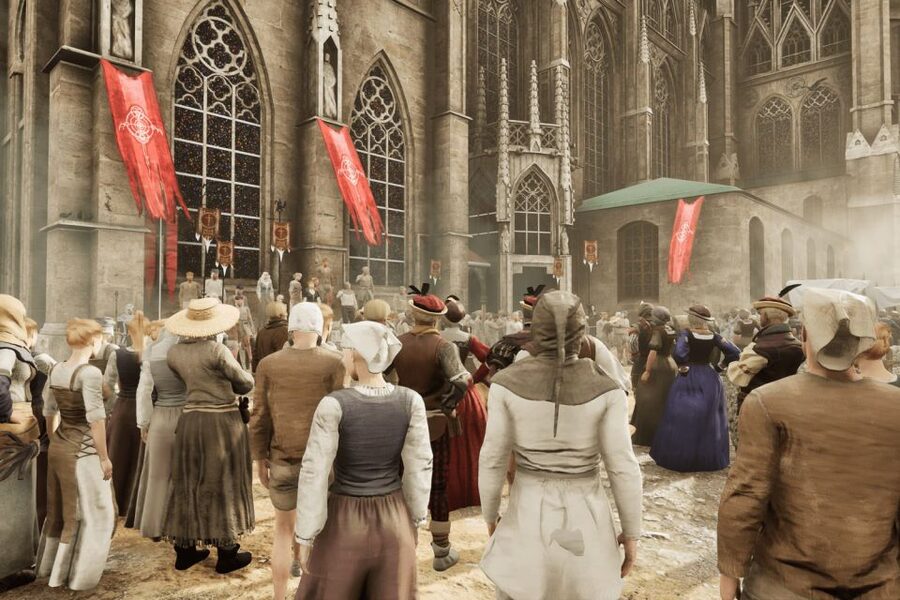
Later, you circle the Hofburg area and encounter Empress Sisi and Emperor Franz Joseph II on a hunting trip. This is the “late 1800s” style segment, where the tone shifts from survival to spectacle and daily imperial life.
There’s a practical detail here: you are standing very close to the road for the scene. That’s why the tour includes a playful instruction to wink when prompted. It’s not just a gag, it’s a timing cue so you hit the moment when the VR overlay lines up with what you can see around you.
If you’re the type who hates “wait and watch” activities, this segment is helpful because it gives you a role. You’re not only listening, you’re matching your position to what the VR wants you to notice.
Also, pay attention to the guide’s delivery. If you get a guide like Julian, known for fluent English and German handling, you’ll likely get cleaner transitions between what you’re seeing and why it matters.
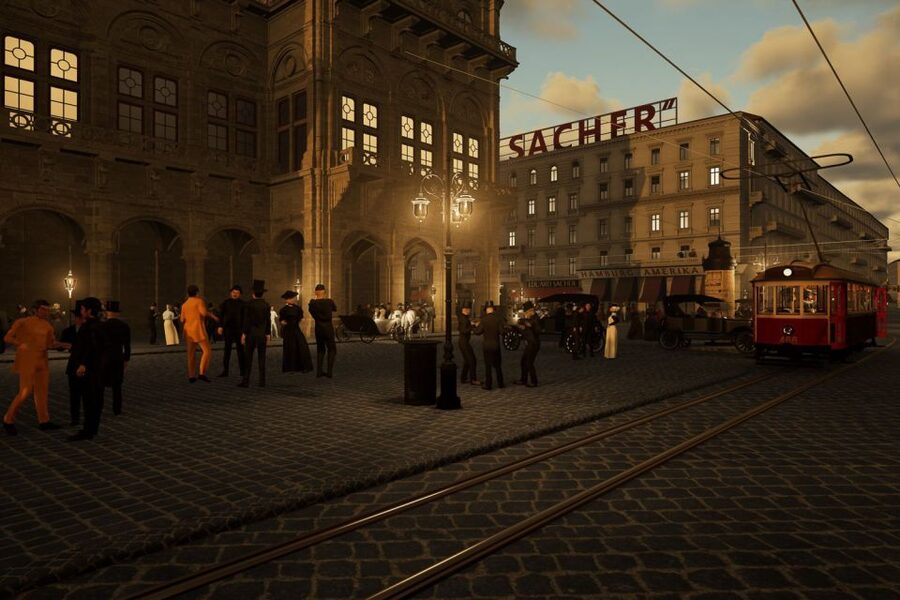
Opera House area in the Golden 20s: how people prepared to be seen
The tour then moves into the Golden 20s and an opera performance context. Instead of focusing only on the building as a landmark, this stop shows the human side, how people prepared for an opera night and what the mood felt like.
This is a good change of pace. After siege stories and plague darkness, the opera segment brings energy back into the tour, and it helps you connect Vienna’s reputation for music to the everyday world of costume, anticipation, and social ritual.
One caution: this kind of scene depends on VR quality and how well the visuals match the audio storytelling. Some people have found certain VR moments less engaging than expected, like missing small “people in motion” details. If you’re sensitive to that, focus on the narration and use the VR as a supporting layer, not the only reason you’re there.
St. Stephen’s Square and WWII endings: a heavy finale done in VR
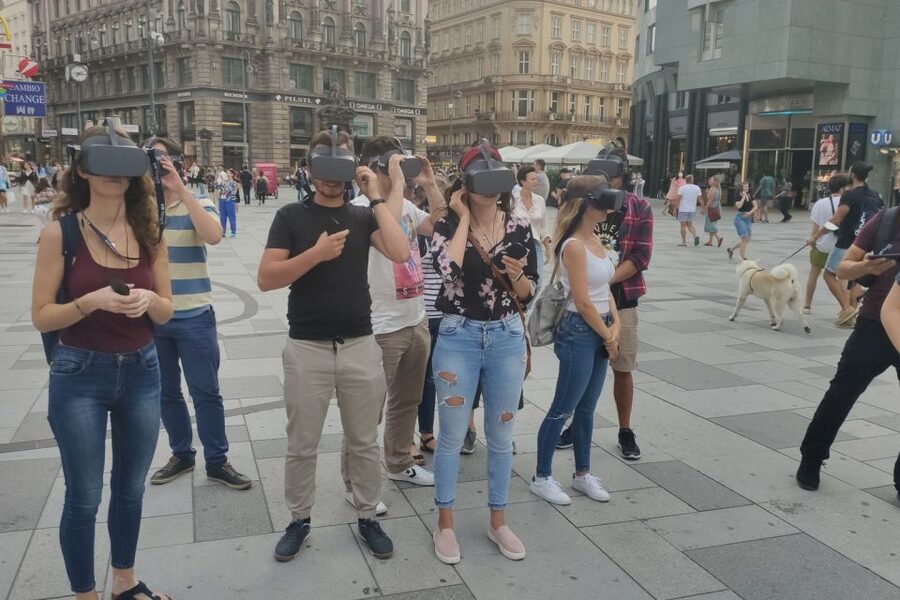
The last VR stop is at St. Stephen’s Square. You see the cathedral burning in the last month of WWII, and the story moves into the final phase where the Soviet army drives the last German soldiers out.
This is intense history, and it’s not built to be “fun.” The value is that it gives you a modern, immediate sense of what the war changed, tied to a place you can still recognize today. If you want emotional distance, bring yourself into the moment gently and know you may need a breather afterward.
If your idea of a great tour includes clarity, this finale also tends to work because the narrative arc ends with a clear outcome. You leave with a stronger mental picture of what “the last months” meant in Vienna, beyond dates and general statements.
VR, audio, and guide languages: what you’ll actually hear
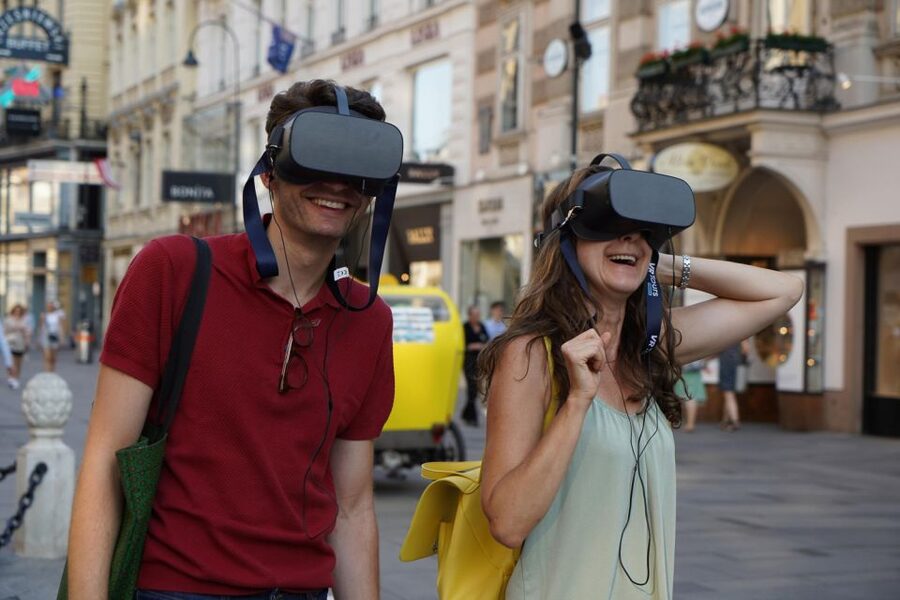
The tour runs with a live tour guide in English and German, plus an audio guide in English, Spanish, Dutch, French, Italian, Russian. Earphones are included, so you don’t have to worry about bringing anything but comfortable footwear.
This setup is useful for mixed groups. You can follow along even if your group languages don’t match the live guide. Still, if your day is split across English and German delivery, it can affect how smoothly translations feel during walking segments, so give yourself a little patience.
Guides matter here. In past sessions, tour leaders like Dr. Reiner have been noted for being knowledgeable and helpful, especially with VR guidance. A good guide makes the headset part easy and keeps you from fumbling when the tour wants you to look at something specific.
Price and value: what $45 buys you in real terms
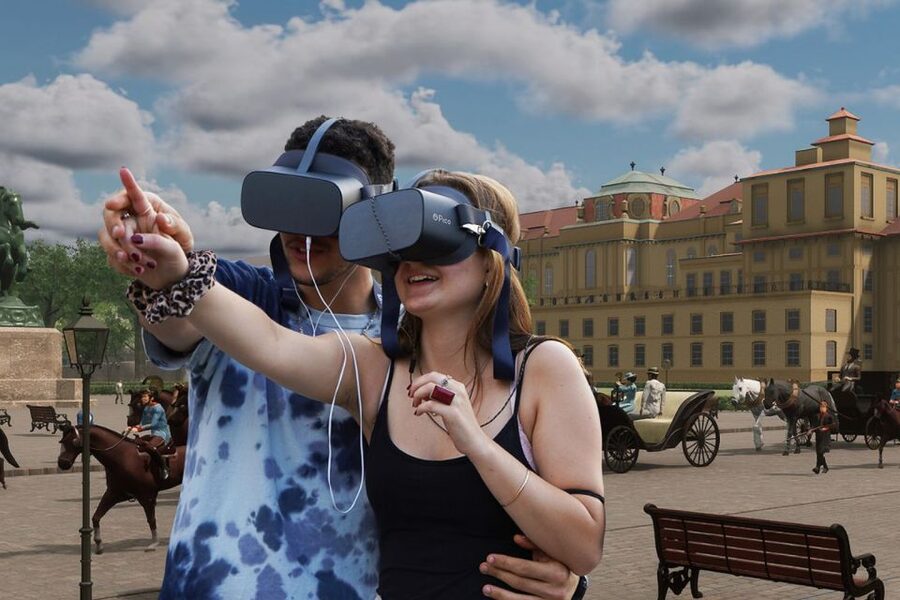
At $45 per person for about 100 minutes, the headline value is that you’re paying for more than a walk. You’re paying for VR glasses, a guided story, and audio delivery in multiple languages, all tied to six time periods.
If you’ve done Vienna before, this may feel less like a “must see” replacement and more like a new lens. But for a first day, it’s a strong orientation tool. You get a structured, chronological map of the city’s past while your legs are still fresh.
Also, you’re not paying extra for the hardware. The cost includes virtual reality glasses and earphones, so there’s no hidden surprise at the start. That makes budgeting simple.
Where the value can drop is if you’re the type who only enjoys crisp VR visuals. Some people have described the images as somewhat rough, slightly blurry, and less detailed in faces or motion. If that will bug you, plan to lean on the guide narration and historical framing as your main “payoff.”
Pace, comfort, and who should book this
This is a walk, so comfort matters. It’s 3.2 kilometers on flat terrain, but you still need good shoes and you should expect to be outside for most of the experience.
The tour is wheelchair accessible, which is a big plus for a city based on uneven old streets. On the other hand, it is not suitable for children under 8, and it is also not suitable for people with epilepsy. If any of those apply, skip it for safety.
Who I think should book it:
- You want a first day introduction that mixes story and sightseeing
- You enjoy history when it feels like a lived moment, not just a lecture
- You like Vienna’s landmarks but want a fresh way to understand what shaped the city
Who might not love it:
- You are very picky about VR image quality
- You prefer history that stays entirely on-site with minimal walking and audio-only stretches
Practical tips so the headset moment works for you
Arrive early and look for the turquoise entrance. Then give yourself a minute for the headset and earphone setup, since the whole experience is timed to you being ready.
When you put on the VR glasses, keep your attention on what the guide is pointing to in the real world. The magic is the match between your position outside and the event overlay inside. That’s especially relevant for the playful cues, like the Hofburg segment where being close to the road matters.
Finally, manage expectations about VR as a technology product. It’s impressive enough to feel surreal in the moment, but it’s not described as perfect or ultra sharp in every scene. If you come in curious and flexible, you’ll likely enjoy the blend of storytelling plus spectacle.
Should you book Vienna’s VR time travel sightseeing tour?
Book it if you want an efficient, story driven introduction to Vienna that uses VR as a real interpretive tool. The price feels reasonable for what you get, six themed scenes across centuries, and a guide plus multilingual audio support.
Skip it if VR clarity is your top priority, or if flashing visuals and similar content are a concern for your health. Also skip if a walking based audio tour format sounds like a bad match for your travel style.
If you’re visiting Vienna for the first time, and you like your history with atmosphere, this tour is a smart, value minded way to get your bearings fast, then move on to explore the city at your own pace.
FAQ
How long is the Vienna VR sightseeing tour?
The tour lasts about 100 minutes.
Where does the tour start?
The meeting point is at Neuer Markt 6.
Where does the tour end?
The tour finishes at Albertina.
What is included in the price?
You get the virtual reality glasses and earphones for the audio guide.
What languages are available for the audio guide?
The audio guide is available in English, Spanish, Dutch, French, Italian, and Russian.
What languages is the live tour guide offered in?
The live tour guide is available in English and German.
How much walking is involved?
The route is about 3.2 kilometers over flat terrain.
Is the tour wheelchair accessible?
Yes, the tour is wheelchair accessible.
Is this tour suitable for children and people with epilepsy?
It is not suitable for children under 8. It is also not suitable for people with epilepsy.
Recently reviewed around Vienna
- Vienna: Mozart, Beethoven, & Strauss Private Tour★ 5.0 · 4 reviews
- Vienna: Musical Tickets ROCK ME AMADEUS – THE FALCO MUSICAL★ 4.8 · 15 reviews
- Vienna: Mozart Concert with Dinner and Carriage Ride★ 4.8 · 25 reviews
- Private Melk Hallstatt, Salzburg tour from Vienna★ 4.9 · 22 reviews
- Vienna: ‘Armenia In The Heart Of Austria’ Tour★ 5.0 · 6 reviews
- Vienna: Luxury Vintage Fashion Walking Tour★ 3.4 · 8 reviews
- Vienna: Kunsthistorisches Museum Guided Tour incl. admission★ 4.9 · 32 reviews
- Vienna: Mozart Private Guided Tour★ 5.0 · 4 reviews
Tours, side by side.
Schönbrunn Palace & Gardens Skip-the-Line Tour
Read our review →

Skip-the-Line Sisi Museum, Hofburg and Gardens Tour
Read our review →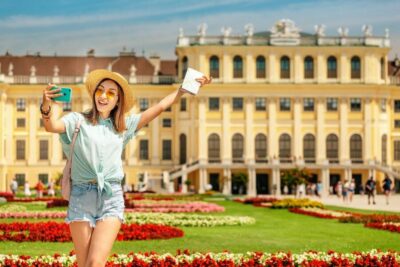
Skip-the-Line Schönbrunn Palace & Gardens Tour
Read our review →
Guided Walking Tour of City Center Highlights
Read our review →
Hop-On Hop-Off Sightseeing Bus Tour in 19 Languages
Read our review →