Appraised · TICKETS
Vienna: Tickets to Haus der Musik
Haus der Musik is the kind of music museum that works even if you do not read music. It turns Vienna’s classical legacy into hands-on fun, with interactive stations built around sound, instruments, and composer stories. The setting helps too, because the museum sits in the former Palais of Archduke Charles, tied to the early Vienna Philharmonic era.
I especially like the way it connects composer names to something you can actually do, not just look at. Two standouts for me are the virtual conductor challenge and the chance to hear your name as a Mozart-style composition through the Namadeus game. One thing to consider: this is not a quiet, line-by-line museum of artifacts. If you want a traditional, hushed experience, you will still enjoy it, but expect lots of interactive noise and game-style learning.
Key highlights worth planning for
- Play conductor with a virtual challenge tied to the Vienna Philharmonic Orchestra
- Hear your name in Mozart mode through the Namadeus game (certificate not included)
- Compose a waltz with dice and listen for how musical choices change the result
- Test the science of sound with interactive displays, instruments, and cause-and-effect learning
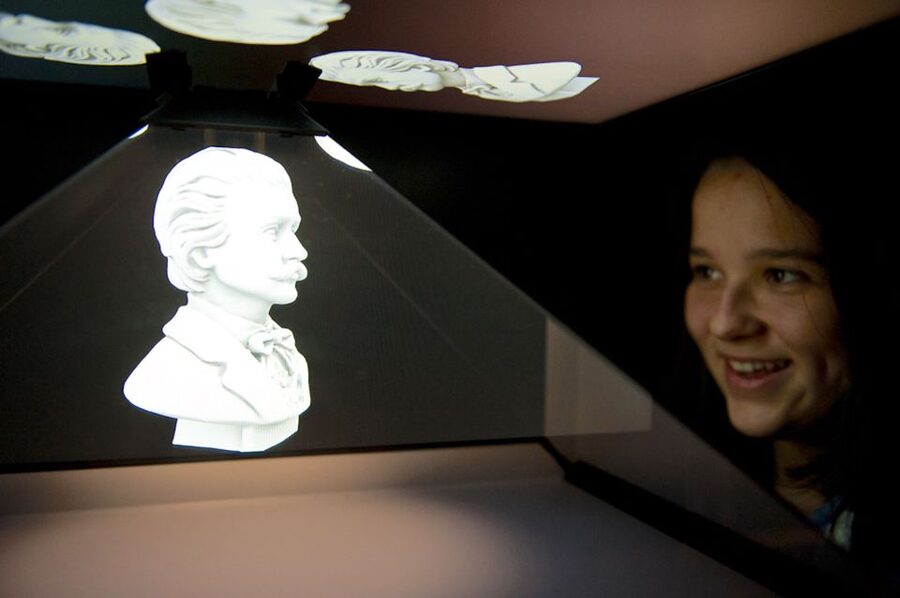
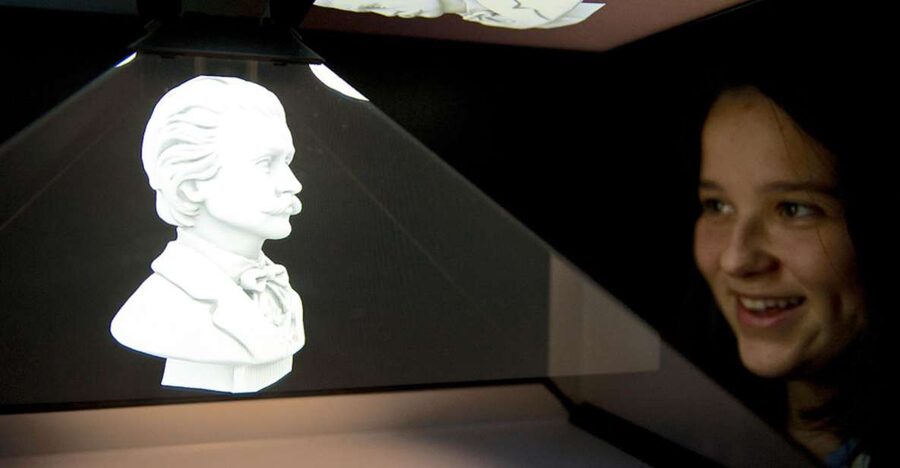
- Follow Vienna’s masters over time with Haydn through Schönberg using documents, models, costumes, and installations
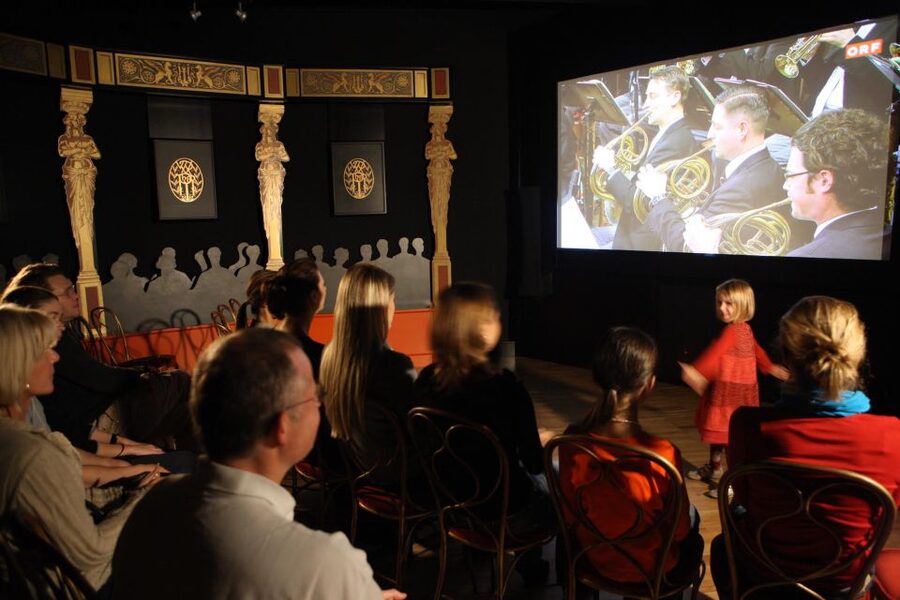
- Watch the Vienna Philharmonic New Year’s Concert in HD for a modern touch of tradition
Why Haus der Musik feels different from a typical Vienna museum
Most music museums are good at showing you what music history looks like on paper. Haus der Musik tries a different approach. It treats sound like a physical thing you can experiment with, so you spend less time decoding labels and more time making sense of pitch, rhythm, and listening.
That matters in Vienna because you are surrounded by big, classical culture. Here, you get a practical bridge between famous names and how music actually works. It is also designed for mixed groups. Families come, couples come, and music fans come for the composer focus, but non-music people often end up staying longer than expected because the activities pull you in.
The museum’s structure helps. You move through a set of themed floors, then loop back and forth if you find something you want to repeat. Plan a visit as an experience you can pace, not a checklist.
More tickets and entries in Vienna:
- Vienna: Classic Ensemble Vienna in St. Peter’s Church Ticket
★ 4.7 · 4,819 reviews - Vienna Kunsthistorisches Museum Day Admission Ticket
★ 4.6 · 3,690 reviews - Vienna: Tickets for Mozarthaus Vienna with Audio Guide
★ 4.2 · 2,344 reviews
The Palais setting and the Vienna Philharmonic origin link
The museum is located at Haus der Musik, Seilerstätte 30, 1010 Vienna. The building connection is part of the point. It was the former Palais of Archduke Charles, and the site connects to Otto Nicolai, the founder of the Vienna Philharmonic Orchestra, who lived there when he established the orchestra in 1842.
That historical hook makes the later moments feel more grounded. When you get to the Vienna Philharmonic-related activities, it is not just a random “famous orchestra” theme. You are inside a place tied to the story of how the orchestra began.
If you like context, you will appreciate the way the museum introduces the orchestra history through precious documents and mementos, then carries the theme forward into the broader music and sound experience.
Four floors that keep the visit moving, not dragging
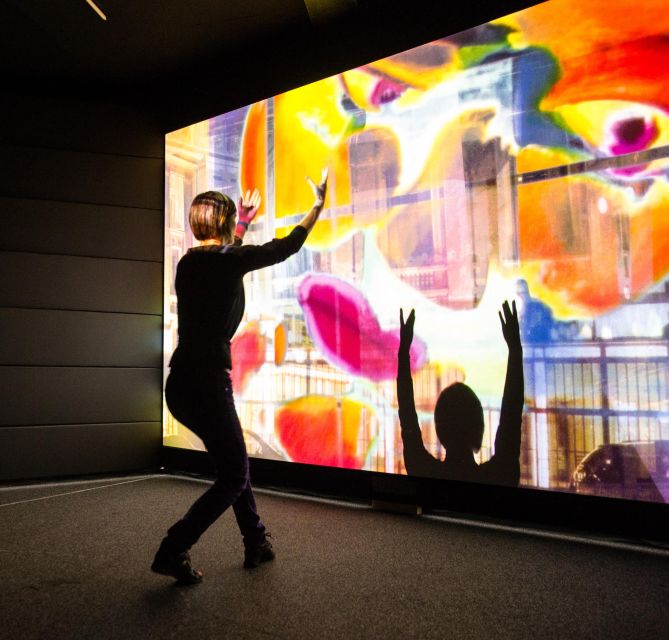
The museum spans four floors, each with its own focus on music and sound. You will see a mix of historic material and modern installations. That blend is why the visit works for different kinds of travelers.
Here is the practical way to think about it:
- Some parts feel like a museum, with historic documents, models, costumes, and personal items that frame the Wiener Klassik composers and later developments.
- Other parts feel like a lab or playground, with interactive displays, instruments, and game-style learning.
- Many stations ask you to press something, listen closely, and adjust your behavior based on what you hear.
In other words, it is educational, but it is not stiff. You can move fast if you want, or slow down if you are the type who repeats the same sound experiment because you are trying to figure out why it works.
Based on how people describe their time in the museum, you should plan on at least a couple of hours. If you actually play the interactive stations and take time with the composer sections, it is easy to reach the 3 to 4 hour range.
Starting strong: composer stories from Haydn to Schönberg
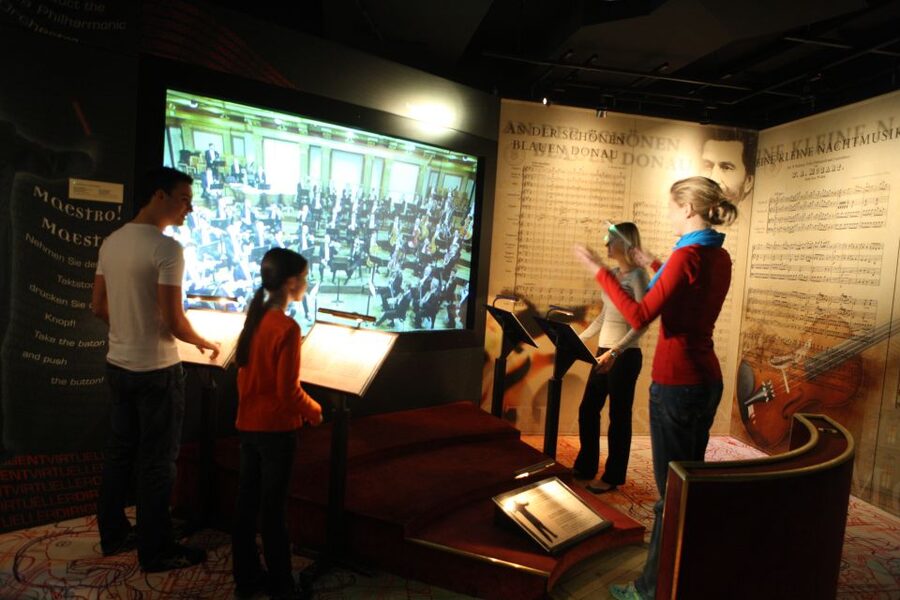
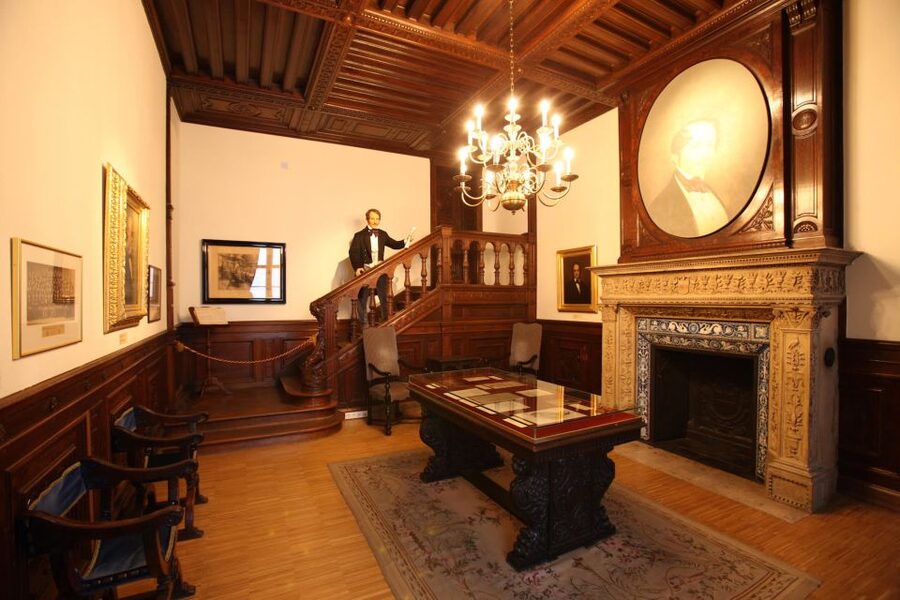
One of the museum’s main strengths is that it covers a wide range of major composers tied to Vienna: Haydn, Mozart, Beethoven, Schubert, Strauss, Mahler, and Schönberg. You do not just get a list of names. You get the “who they were” feeling through historic documents, period models and costumes, and modern installations that place them into their contemporary setting.
I like this approach because it avoids the common problem where music museums become a hallway of portraits. Here, the composer sections try to explain their place in Vienna’s music story, while still keeping a hands-on tone elsewhere.
A smart tactic: spend your first hour getting the big timeline in your head. After that, when you hit the sound experiments and interactive games, the composer material tends to make more sense.
A completely different kind of day, same corner of Austria:
- Vienna: Vivaldi’s Four Seasons Concert in Karlskirche
★ 4.7 · 14,951 reviews - Vienna: Schönbrunn Palace & Gardens Skip-the-Line Tour
★ 4.7 · 7,739 reviews - Vienna: Light of Creation Votive Church Immersive Light Show
★ 4.8 · 6,779 reviews - Vienna Spanish Riding School Guided Tour
★ 4.7 · 6,765 reviews
The virtual conductor challenge and your shot at the Vienna Philharmonic
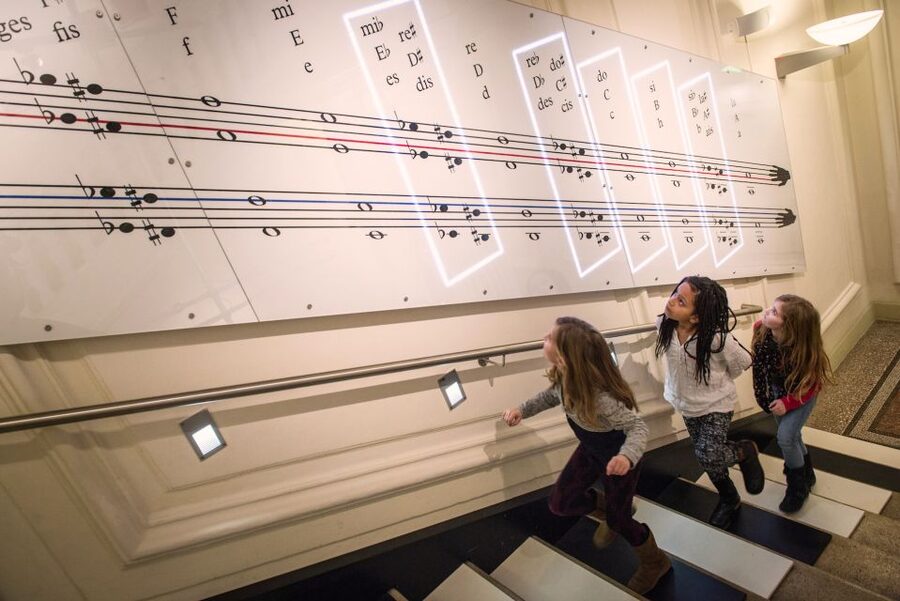
One of the most popular activities is the conductor experience. You get to test your talent in a virtual setting connected to the world famous Vienna Philharmonic Orchestra.
What makes this fun is the feedback loop. You are not just watching someone conduct. You are trying to lead, then learning how your actions affect what happens next. People who already love classical music enjoy it because it feels like a playful rehearsal. People who are not music specialists still enjoy it because it is a clear, interactive way to understand performance energy.
This is a good station to do mid-visit. By then you have absorbed a bit of composer context, and you are ready to focus on how a performance comes together.
Namadeus game: hear your name as an original Mozart composition
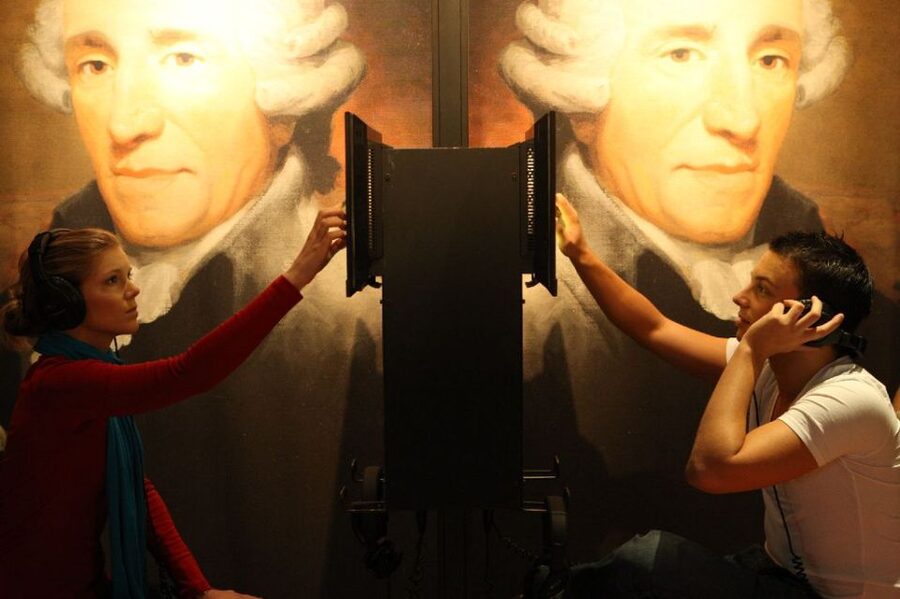
You can also hear your name through the Namadeus game. The museum offers an interactive feature that turns your name into an original Mozart composition experience.
A few practical notes based on what is provided:
- The tour includes access to the Namadeus game experience, but a Namadeus certificate is not included.
- You should expect the experience to be more interactive and playful than “museum label reading.”
This is a great stop if you are visiting with kids, but adults often like it too because it is a memorable, personalized moment. If you are on a schedule, do this earlier rather than later, because it is the kind of activity where people want to replay or share what they hear.
The sound science lab: interactive displays, instruments, and real listening
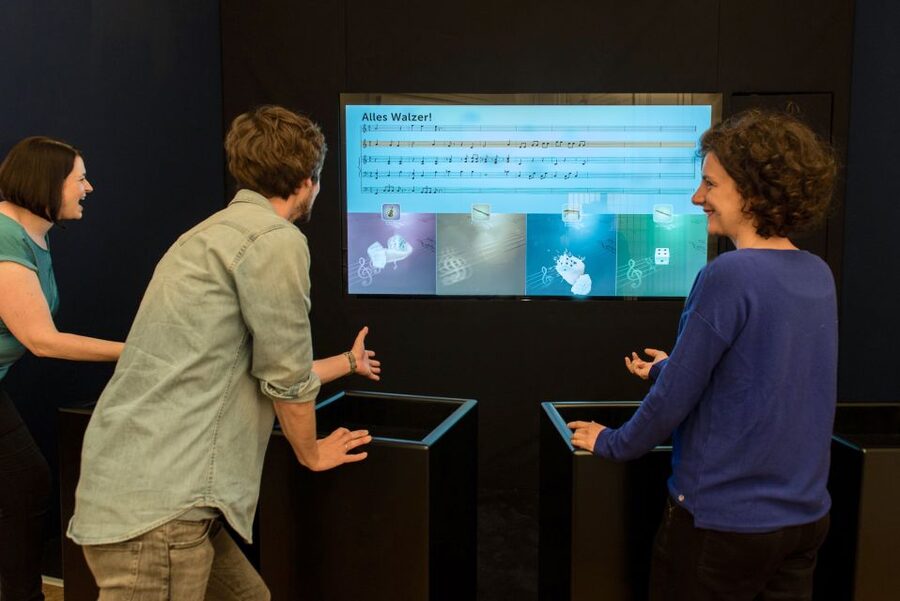
Haus der Musik spends real time on the science behind sound. There is an acoustic journey into the physics of sounds with interactive displays and instruments, so you can test ideas yourself.
This is where the museum earns its place for both music lovers and curious non-music people. You learn by doing, not by taking notes. If you like “why does that sound happen” questions, you will have a great time.
Bring your own headphones because the museum specifically requests them. Even if you think you can handle sound environments without them, having headphones helps you focus when you are surrounded by other interactive exhibits.
Compose your own waltz, then listen for what the dice changed
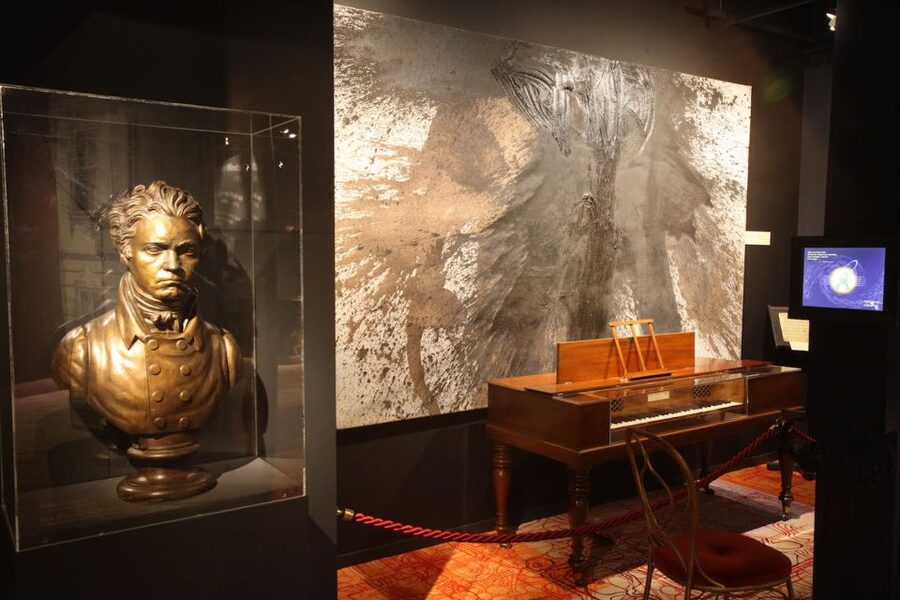
Another highlight is composing a waltz using a throw of the dice. It is a simple premise, but it teaches an important concept: music can follow rules, and small changes can create a different feeling.
I like this activity because it gives you a taste of musical structure without requiring training. You do not need to know theory. You just need to listen and pay attention to rhythm and phrasing as your waltz takes shape.
This is also a good activity for groups, because everyone can talk about their result after. If you are with someone who prefers quiet activities, this is still worth it, because the learning happens through your ears.
The HD Vienna Philharmonic New Year’s Concert moment
The museum includes a chance to listen to the Vienna Philharmonic’s New Year’s Concert in HD quality. This is one of those “modern tech meets tradition” experiences that helps connect the museum’s hands-on theme to the bigger classical world.
It is useful for two reasons:
- It gives you a baseline sound world to compare your interactive learning against.
- It gives you something passive enough to rest your brain between game stations.
If your feet get tired, this is a good pause point.
Temporary exhibits in the inner courtyard
In addition to the permanent exhibition, Haus der Musik hosts temporary exhibitions. They focus on famous musicians or music-historical themes, including Viennese Modernism.
I cannot tell you which exhibit you will get on your dates, but I can tell you this: check what is showing when you arrive. Temporary exhibits can add depth to your visit, especially if your main goal is composer history rather than the pure sound experiments.
Using the smartphone app guide and map to move efficiently
You get an app guide you can download on your smartphone in eight languages. There is also a children’s app in two languages. The ticket includes a map of the museum, plus a coat check, which is handy when you are walking Vienna in unpredictable weather.
This matters because the museum is interactive. If you plan to find your favorites quickly, the app and map can help you avoid wandering in circles. I also suggest you use the app as you go, not as a pre-read at home. The museum context makes the audio and guidance feel more useful.
Price and value: what $22 buys you in real experience time
The ticket price is listed at about $22 per person for a one-day visit. That price feels fair because you are not paying only for static exhibits. You are paying for multiple interactive modules: conductor challenge, Namadeus, sound science experiments, and composition activities.
Here is how I judge value at this museum:
- If you like hands-on learning, the station variety makes the cost easier to justify.
- If you only want composer facts and you dislike interactive formats, you might feel you could get similar information elsewhere for less money.
- If you are bringing kids, the interactive focus is exactly where the value comes from, because the visit gives them things to do, not just things to watch.
Plan for extras that are not included. Food and drinks are not included, so if you need a snack during your visit, you will have to buy it separately. Also, transfers are not included, so you will handle getting there on your own.
Who should book tickets to Haus der Musik
This is a good fit if:
- You want a family-friendly Vienna activity that mixes education and play
- You enjoy classical music, but you also like understanding how sound works
- You like interactive science-style museums where you can experiment with cause and effect
- You want a Vienna experience that is more than a concert ticket
It may be less ideal if:
- You prefer quiet, traditional museums with long stretches of reading and no hands-on stations
- You have very limited mobility and need minimal walking, since the museum is spread across multiple floors and includes activity areas
If you are somewhere in the middle, you are probably the sweet spot.
Should you book this ticket?
Book it if you want a Vienna day that feels modern, active, and connected to real classical landmarks like the Vienna Philharmonic story. At around $22, you are paying for multiple interactive experiences and a composer timeline that does not feel like a lecture.
Skip it only if you know you dislike interactive exhibits or you are looking for a strictly “sit and listen” museum experience. For most people, this ticket is a smart use of time in central Vienna because it combines famous names with hands-on understanding, and it gives you several memorable moments you can talk about afterward.
FAQ
How much does the Haus der Musik ticket cost?
The price is listed as about $22 per person.
How long is the ticket valid?
The admission is valid for 1 day, starting from the first activation.
What is included with the ticket?
The ticket includes admission, an app guide to download on your smartphone in 8 languages, a children’s app in 2 languages, a museum map, and a coat check.
What should I bring to the museum?
You should bring headphones.
Is food and drink included?
No, food and drinks are not included.
Where is the meeting point?
Haus der Musik, Seilerstätte 30, 1010 Vienna.
Are children admitted for free?
Yes. There is free admission for children under the age of 3.
Is Namadeus certificate included?
No. The Namadeus certificate is not included.
Can I cancel and get a refund?
Yes. You can cancel up to 24 hours in advance for a full refund.
Recently reviewed around Vienna
- Vienna: Mozart, Beethoven, & Strauss Private Tour★ 5.0 · 4 reviews
- Vienna: Musical Tickets ROCK ME AMADEUS – THE FALCO MUSICAL★ 4.8 · 15 reviews
- Vienna: Mozart Concert with Dinner and Carriage Ride★ 4.8 · 25 reviews
- Private Melk Hallstatt, Salzburg tour from Vienna★ 4.9 · 22 reviews
- Vienna: ‘Armenia In The Heart Of Austria’ Tour★ 5.0 · 6 reviews
- Vienna: Mozart Private Guided Tour★ 5.0 · 4 reviews
- Vienna: Luxury Vintage Fashion Walking Tour★ 3.4 · 8 reviews
- Vienna: Kunsthistorisches Museum Guided Tour incl. admission★ 4.9 · 32 reviews
Tickets, side by side.
Classic Ensemble Vienna in St. Peter’s Church Ticket
Read our review →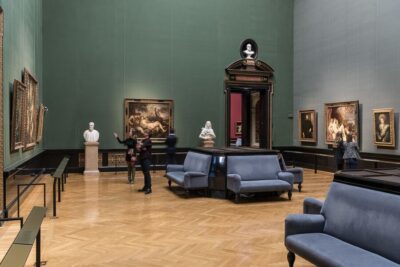
Vienna Kunsthistorisches Museum Day Admission Ticket
Read our review →
Tickets for Mozarthaus Vienna with Audio Guide
Read our review →
Skip-the-Line Entrance Ticket to the Danube Tower
Read our review →
St. Stephen’s Cathedral & Dom Museum Wien Tickets
Read our review →