Appraised · PRIVATE
Vienna: Private Music Tour
Vienna’s music spots are famous, but this tour is interesting because it gives you the stories behind the buildings, not just the photos in front of them. You start at the Vienna State Opera for an insider look, then you move on at an easy pace through Vienna’s historic center with a state-certified guide.
I like two things a lot. First, the behind-the-scenes access at the State Opera, with context about major figures like Gustav Mahler and why the place matters. Second, the way the route connects composer moments to real addresses, so you’re learning while you’re walking, not sitting and listening the whole time.
One possible drawback: the tour includes the guided State Opera visit, but the entrance fee is not included, so you’ll want to budget for that. Also, the exact starting time depends on State Opera opening hours and tour availability.
Key points to know before you go
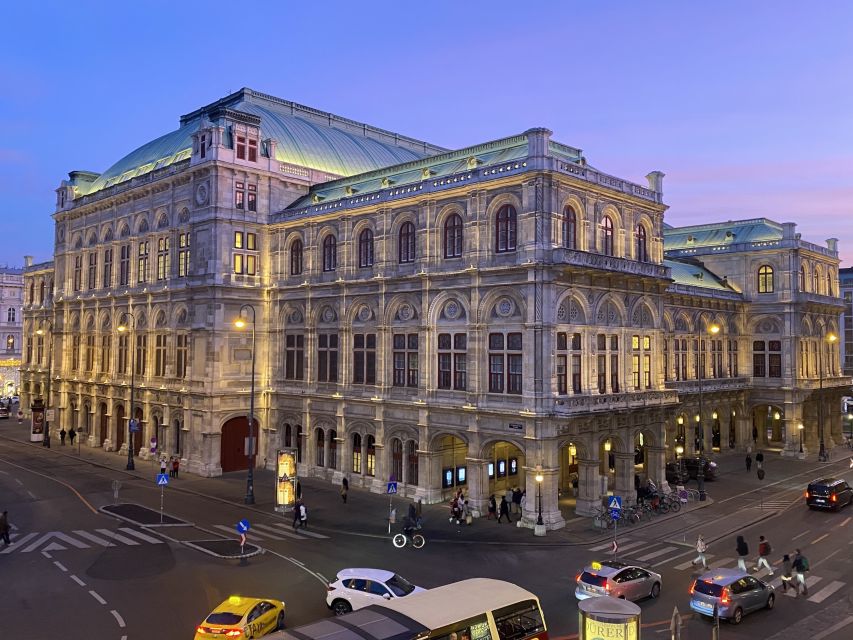
- State Opera, inside access to the most famous opera house in the world, with stops that make the building feel alive
- Gustav Mahler and other conductors in context, so you understand what was happening musically, not just when
- Vienna Boys Choir origin story plus the connection to the Hofburg Imperial Chapel
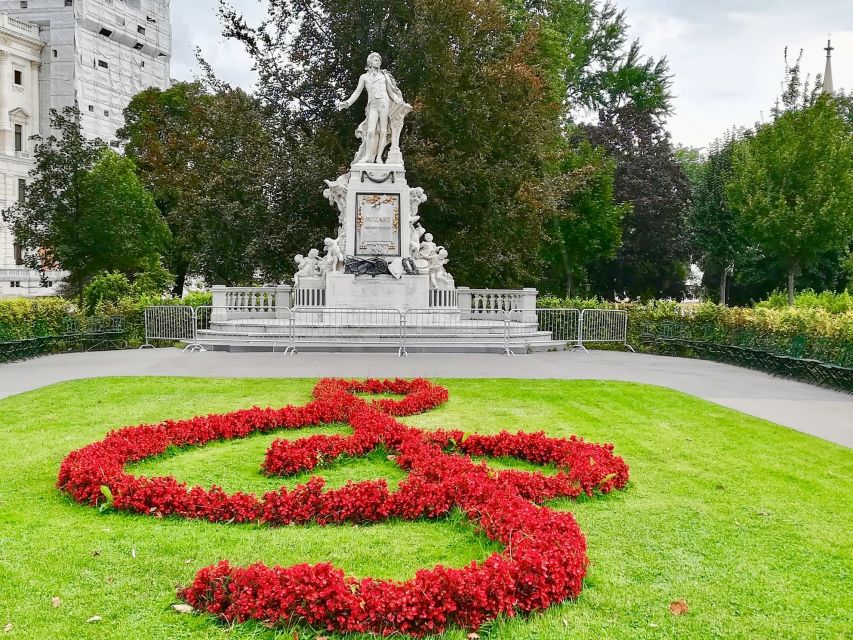
- Strauss and the dance-salon link at the Mozart Memorial, tied to the ladies-swoon legend
- Beethoven’s premiere sites around Palais Lobkowitz and his later residence at Pasqualati House
- A private group up to 15, which keeps the pace comfortable and easier to tailor
Starting at the Vienna State Opera, where you get context fast
If you want a Vienna music tour that feels practical, this is a smart way to begin. Vienna State Opera is a landmark, but it is also a working machine of performances, rehearsals, and tradition. Starting here means the guide can explain the role of conductors, the building’s significance, and the social world around opera before you start hopping between composer landmarks.
This tour also makes it easier to get moving. You skip the ticket line for the opera visit, so you are not losing your short, 150-minute window to slow-moving queues. And because it is a private group, you are not squeezed into a large herd where questions get swallowed.
When the guide is good, the opera house stops being a postcard. It becomes a place where you can picture how performances were shaped and why certain rooms matter.
A few more days out around Vienna worth comparing
- Vienna: Private Walking Tour with a Local Guide
★ 4.6 · 1,420 reviews - Vienna: Private Walking Tour with a Guide
★ 4.7 · 962 reviews - Vienna: Wine Tasting Experience in a Private Wine Cellar
★ 4.8 · 413 reviews
Behind-the-scenes opera access, not just a quick look
The core of the experience is the guided tour of the State Opera. You get behind-the-scenes access to the building, with history and explanations tied to key people. The tour specifically highlights important conductors, including Gustav Mahler, and you learn why the opera house became a musical temple.
What I like about this kind of access is that it changes how you see the building later. Outside, the opera house is grand. Inside, it starts to feel like a system. You begin noticing how opera is built: the relationship between the stage culture, the musicians, and the audience experience. Even if you do not know every composer by name, you can still follow the story.
Also, the guide language options are a real plus if you want clarity. You can go in English or German. And the guide is described as state-certified, which usually correlates with tighter explanations and better pacing.
One note to plan for: the tour includes the guided visit, but the State Opera entrance fee is not included. You will want to treat that as a separate line item so you are not surprised at checkout.
The inner-city stroll: why walking Vienna’s center helps the music stories stick
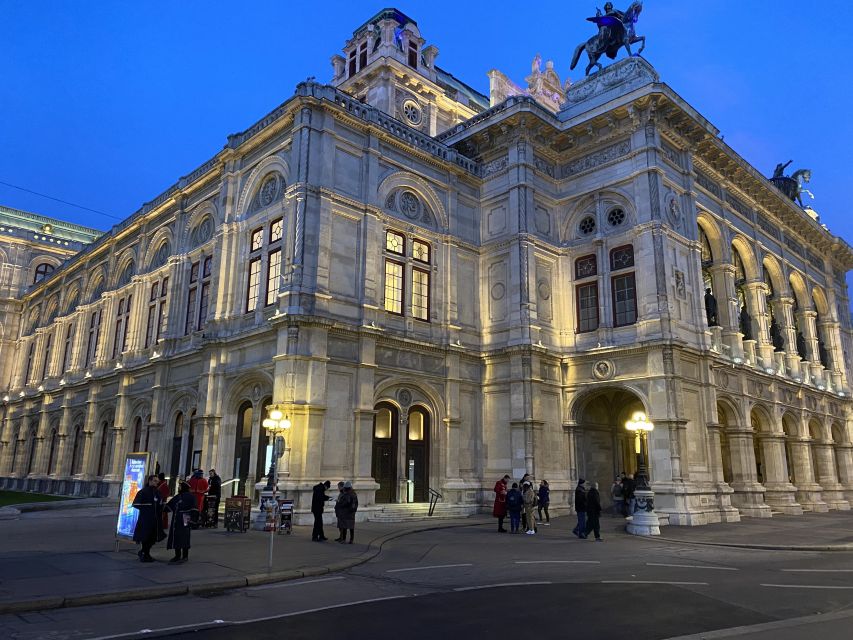
After the opera, you shift into a more relaxed pace through Vienna’s historic center. This matters. If you are trying to understand Vienna’s musical identity, the best way is to connect names to streets, courtyards, and landmarks you can reach on foot.
The tour is designed like a musical stroll with multiple stops. You do not just pass by big sights. You pause in key spots where the guide can explain what happened there and why it mattered.
You will see a mix of:
- imperial and religious spaces linked to musical life
- composer landmarks tied to premieres and residences
- cultural rooms connected to the social side of Viennese music
And because the group is private, you have a better chance of hearing details clearly. This is especially helpful if you have questions, want to move at a slightly different pace, or want the ending near a specific metro point. One past guest said their guide, Lisa, adjusted the plan so the group could finish by a metro stop, which is the kind of practical flexibility that makes a tour feel personal.
Palais Lobkowitz and Beethoven’s Eroica premiere moment
One of the stops that gives you the strongest “this really happened here” feeling is Palais Lobkowitz. The guide connects this place to Beethoven’s Symphony No. 3, Eroica. It is not only a name you hear in classical music class. It becomes tied to a specific setting where the premiere energy made sense.
Palais Lobkowitz is also linked to Beethoven’s main patron, which adds another important layer. Music does not happen in a vacuum. Patronage shaped what could get performed, who got heard, and how composers built their careers. So even if you are mainly interested in melodies, you end up learning how the system worked.
Practical tip: when you are listening to a story like the Eroica premiere, look up at the grandeur around you. It helps the explanation land. You start to understand why a public work needed elite support in that era.
A completely different kind of day, same corner of Austria:
- Vienna: Vivaldi’s Four Seasons Concert in Karlskirche
★ 4.7 · 14,951 reviews - Vienna: Schönbrunn Palace & Gardens Skip-the-Line Tour
★ 4.7 · 7,739 reviews - Vienna: Light of Creation Votive Church Immersive Light Show
★ 4.8 · 6,779 reviews - Vienna Spanish Riding School Guided Tour
★ 4.7 · 6,765 reviews
Hofburg Imperial Chapel and the Vienna Boys Choir connection
Another highlight is the Hofburg Imperial Chapel. This is where the Vienna Boys Choir connection becomes concrete. You will learn how the choir began and you will see the chapel where the choir performs every Sunday.
That Sunday detail is useful because it reminds you this is not just a museum story. It is a living tradition that still operates on a schedule. Even if you are not there on a Sunday during your visit, hearing the “how it began” story at the actual chapel makes the choir feel real, not generic.
This stop is ideal if you like music that has a community backbone. The choir is not only about talent. It is about tradition, training, and continuity. The chapel setting helps you understand why the sound would mean so much in that environment.
The Mozart Memorial and Strauss, the Waltz King, in a dance-salon setting
If there is one stop that feels slightly romantic in the best way, it is the Mozart Memorial, linked to a former dance salon. Johann Strauss, the Waltz King, is tied to this room through the legend of how he made the ladies swoon.
This is a clever way to explain Viennese music culture. People often think of composers as lone geniuses. Here, you see music as social life. Strauss’s reputation spread through events, dancing, and the public atmosphere around music. The “dance salon” framing gives you that missing context.
You might not catch the full waltz atmosphere in a short tour. But you can still understand what kind of energy a waltz created in that era. And it is a fun contrast to the more formal opera and chapel stops. Your day becomes more balanced.
Pasqualati House and the composer-address approach
You also visit Pasqualati House, described as Beethoven’s former residence. This is the kind of stop that works well for people who like to connect biography to place.
A residence can sound like a slow, quiet thing on a tour. But when the guide ties it back to why Beethoven wrote the way he did, it becomes more than a location. You start seeing how environment and daily life can shape the creative process. At minimum, it gives you a location-based mental map: Beethoven is not only an abstract name. He lived somewhere.
And because the tour route connects multiple Beethoven links, the story adds up. Palais Lobkowitz gives you the premiere and patronage context. Pasqualati House gives you the personal side, the “where he was” part.
St. Stephen’s Cathedral and Mozart’s wedding setting
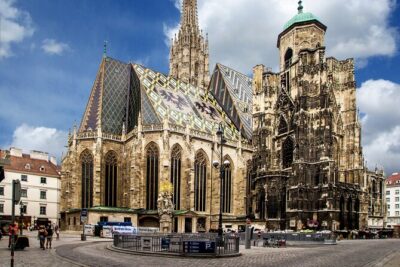
No Vienna music day feels complete without St. Stephen’s Cathedral. The guide includes it in the route, and specifically ties it to Mozart’s wedding.
This is one of those moments where music history overlaps with real life events. You can appreciate the cathedral as architecture on its own. But hearing the Mozart wedding connection helps you see it as a stage too, in a different form. It reinforces that composers lived through milestones, and those milestones were tied to the institutions of the city.
If you like heritage sites, take a slow minute here just to look around. Even with a guided pace, moments like this help you absorb Vienna beyond music notes.
Mozart’s former home and the value of having a guide make it make sense
The tour also includes a visit related to Mozart’s former home. Exact details of what you will see can vary depending on what the guide can access during your visit, but the key idea is consistent: you are not just naming Mozart. You are connecting him to where he lived and how the city shaped his world.
This is where a strong guide earns their pay. Someone can point at a building and say Mozart lived there. But a great guide explains what that means and how it fits into the broader Vienna music ecosystem you are walking through.
That is also why the guide experience matters. One previous guest highlighted their guide Giselle for giving lots of information inside the opera building. Another guest praised Lisa’s energy and responsiveness, including working around accommodations for a parent. I love that kind of human touch because it usually leads to clearer explanations and a smoother pace for the whole group.
Group size, languages, and pacing that stays comfortable in 150 minutes
This is a private group for up to 15 people. That size is big enough that you can travel with a small family or a few friends, but small enough that the guide can still manage questions and adjust the flow.
Duration is 150 minutes, so you are not doing a half-day marathon. It is long enough to get meaningful stops and explanations, but short enough that you can still enjoy the rest of Vienna afterward.
You can go with a guide speaking English or German. If you have language needs, this is an easy way to make sure you understand the story clearly. And if you care about mobility, the experience is wheelchair accessible.
Your starting point is very specific: the guide waits by the fountain on the left-hand side of the opera house. From there, you go into the historic center and finish in central Vienna at 1010 Vienna, Austria.
One more timing reality: the operator says the local partner will tell you the tour start time based on the opera’s opening hours and tour availability. So pick a day when you can be flexible.
Price and value for a private Vienna music day
The price is $541 per group for up to 15 people. That can sound high if you are thinking of it as a per-person cost, but private-group pricing changes the math.
If you have several people traveling together, the value improves fast because you are paying for guide time plus opera access, then splitting it across the group. It also saves you time. Skip-the-ticket-line matters when you have a short tour window.
Two cost considerations keep this honest:
- The tour includes the guided State Opera visit, but the entrance fee is not included.
- Hotel pickup and drop-off only apply if you select that option.
If you want a music tour that feels like a curated route through meaningful addresses, this is a reasonable way to do it, especially for small groups that want flexibility and clear pacing.
Who should book this tour, and who might want a different plan
This tour is a great fit if you:
- want an opera-house experience without spending hours figuring it out on your own
- like learning music history through real locations, not just timelines
- are traveling in a small group and want a private guide rather than a big tour bus
- care about the Vienna Boys Choir story and the social world around Strauss and waltz culture
It may not be ideal if:
- you want to spend a long time lingering in each stop without a tight tour flow
- you prefer a self-guided experience where you can choose your own order minute by minute
- you are traveling solo and do not want to pay private-group pricing
But for most people who want a strong, high-impact Vienna music overview with a human guide, this hits the sweet spot.
Should you book the Vienna Private Music Tour?
I think it is worth booking if your priority is guided, location-based music storytelling with real access at the Vienna State Opera. The combination of opera insight, composer addresses like Palais Lobkowitz and Pasqualati House, and the architectural anchor of St. Stephen’s Cathedral creates a well-rounded day that is still manageable at 150 minutes.
Book it if you can handle the one key add-on, the State Opera entrance fee not being included. And if you want a tour that can adapt to your needs, this one has shown it through past guide responsiveness, like Lisa working around accommodations and adjusting the ending point.
If you want a Vienna music tour that turns landmarks into stories you can remember, this is a solid choice.
FAQ
How long is the Vienna Private Music Tour?
The tour duration is 150 minutes.
Where is the meeting point?
You meet your guide by the fountain on the left-hand side of the Vienna State Opera.
Is the State Opera entrance fee included?
No. The guided tour of the State Opera is included, but the entrance fee is not included.
What languages are the tours offered in?
The live tour guide is available in English and German.
Is this tour wheelchair accessible?
Yes, the tour is wheelchair accessible.
Can I cancel for a full refund?
Yes. You can cancel up to 24 hours in advance for a full refund.
Recently reviewed around Vienna
- World War II History Vienna Old Town Private Walking Tour★ 4.8 · 9 reviews
- Vienna: Winery and Wine Tasting Tour with a Wine Expert★ 5.0 · 5 reviews
- Vienna: Wine Tasting Tour★ 4.8 · 61 reviews
- Vienna: Vienna under the Nazis, Private Walking Tour★ 1.8 · 3 reviews
- Vienna: Wine Tasting E-Bike Tour★ 4.9 · 46 reviews
- Vienna: Concert by the Vienna Baroque Orchestra★ 4.6 · 56 reviews
- Vienna: Unforgettable Private City Tour★ 5.0 · 7 reviews
- Vienna: Swarovski DIY Workshop Experience★ 5.0 · 9 reviews
Private, side by side.
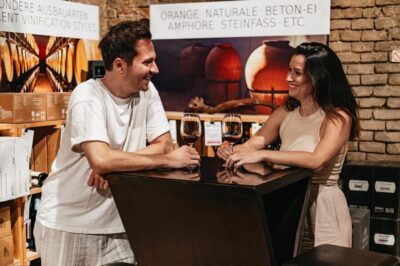
Wine Tasting Experience in a Private Wine Cellar
Read our review →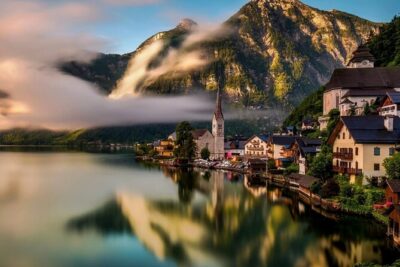
Private Day Tour Trip Salzburg Hallstatt and Melk from Vienna
Read our review →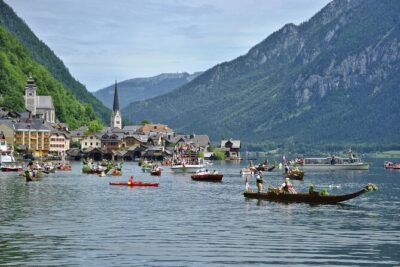
Private Day Tour of Hallstatt and Salzburg from Vienna
Read our review →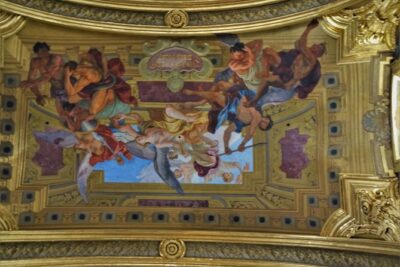
Private Hidden Vienna Walk — Stories Behind Quiet Corners
Read our review →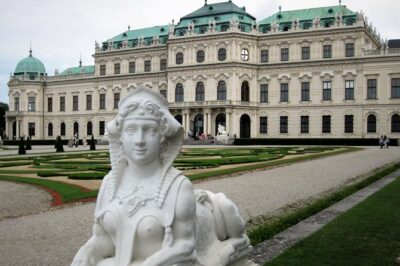
Vienna at First Glance a Private Walking Tour for First Timers
Read our review →