
Appraised · CLASSICAL CONCERTS
Vienna: Johann Strauss – Immersive Audiovisual Experience Ticket
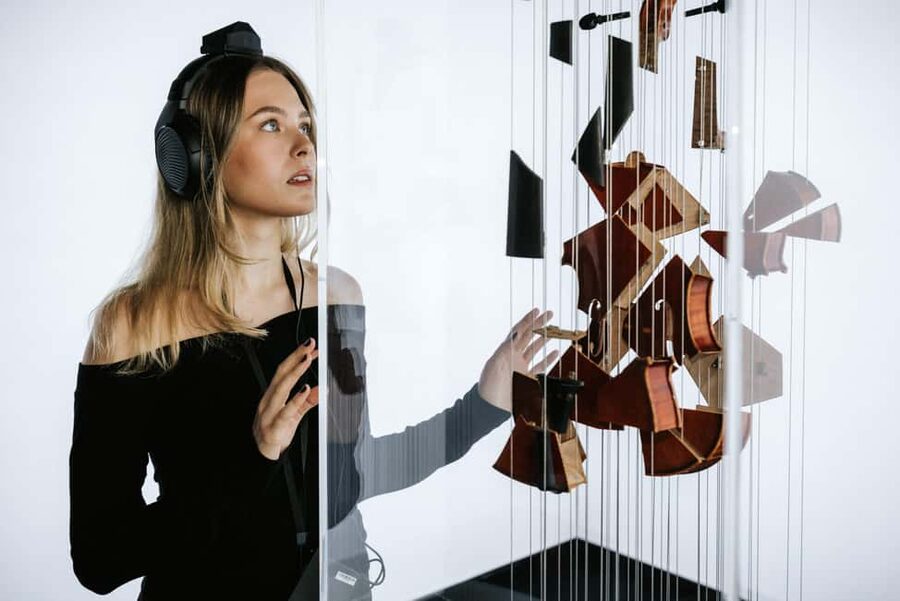
This experience is interesting because it turns Vienna’s waltz legend into a tech-forward, hands-on museum walk. I especially like the location-based 3D sound audio guide, which tracks where you move and cues the soundtrack in real time. I also like the composing machine, since it lets you write a waltz and take home a personalized sheet of music.
The main thing to consider is that you’ll be wearing headphones for essentially the whole visit, and one review noted the equipment is a big, headphone-forward setup.
Key things I’d zero in on
- Headphone-led museum flow with high-precision audio guide technology
- Interactive exhibits that connect Strauss’ life to the music you hear
- A composing machine that produces your own waltz sheet music to keep
- On-the-spot photo printing with you as Johann Strauss
- A full 75-minute format that works well even if museums usually drag
Step into Johann Strauss New Dimensions at the right pace
Your ticket gets you into the Johann Strauss Museum, New Dimensions, for about 75 minutes. This is not a sit-and-listen lecture. It’s more like a guided, room-to-room story where the museum uses audio, visuals, and interactive stations to move you along.
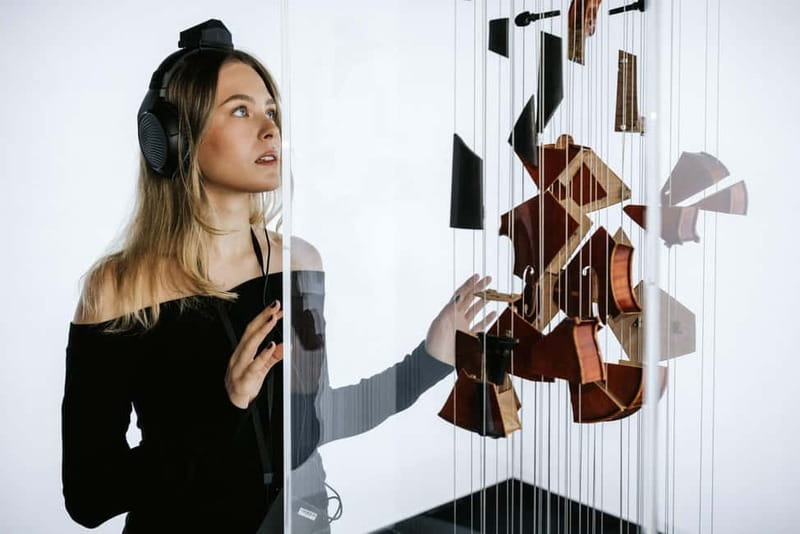
From the start, you’re given headphones as your audio guide. That choice shapes the entire experience. Instead of standing around and reading panels, you get a soundtrack and instructions tied to where you are in the rooms.
If you’re a little restless or you bounce between interests, this kind of format can feel friendlier than a classic museum layout. One review even called out that the format worked great for an ADHD brain that often finds museums boring.
More classical concerts in Vienna:
- Vienna: Vivaldi’s Four Seasons Concert in Karlskirche
★ 4.7 · 14,951 reviews - Vienna: Classical Concert in the World-Famous Musikverein
★ 4.6 · 6,673 reviews - Vienna: Classic Ensemble Vienna in St. Peter’s Church Ticket
★ 4.7 · 4,819 reviews
Interactive exhibits: the Waltz King as a real character
The heart of the visit is the museum’s interactive story of Johann Strauss and the world of the waltz. The museum doesn’t treat him like a faraway statue. It connects his life and music through hands-on stops and multimedia stations.
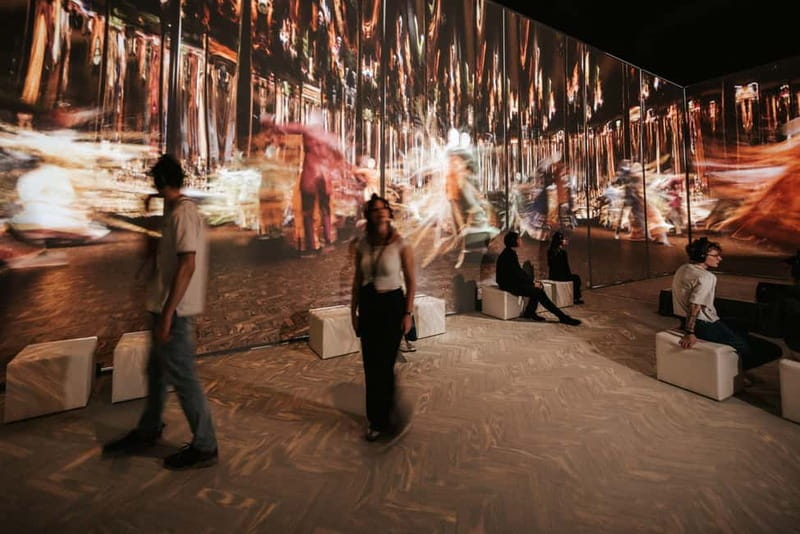
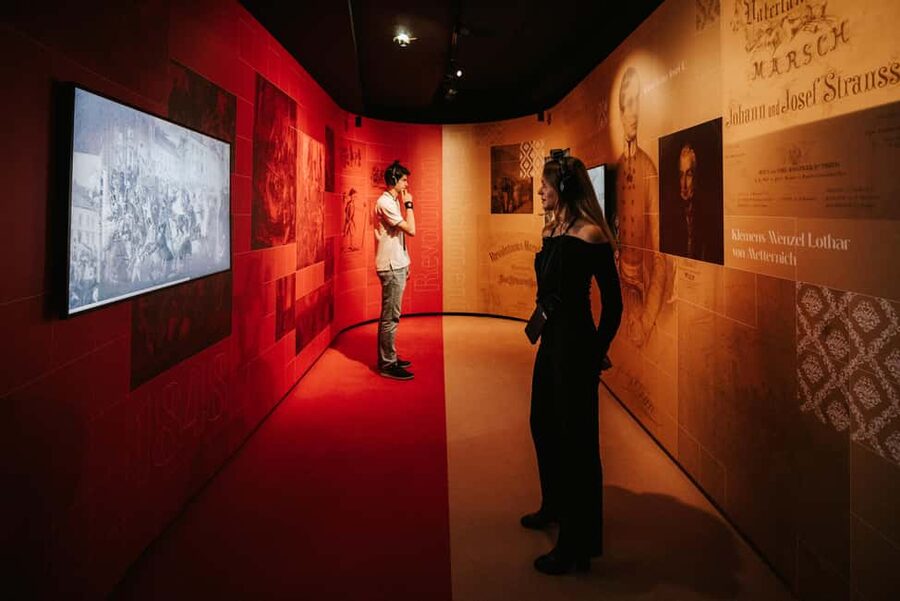
You’ll see phases of Strauss’ life and then hear and experience his music in ways that are meant to feel more immediate than listening to a recording in a quiet room. The stations use animations and audiovisual setups to show what you’re hearing and to help you connect composer choices to the sound.
One highlight is the museum’s angle on Strauss as the first pop star in history. That framing matters because it nudges you to listen for personality, style, and audience pull, not just technical structure. If you come in with only a vague idea of waltzes, this approach helps you build a quick, usable mental map.
Location-based 3D sound: the smartest part of the museum
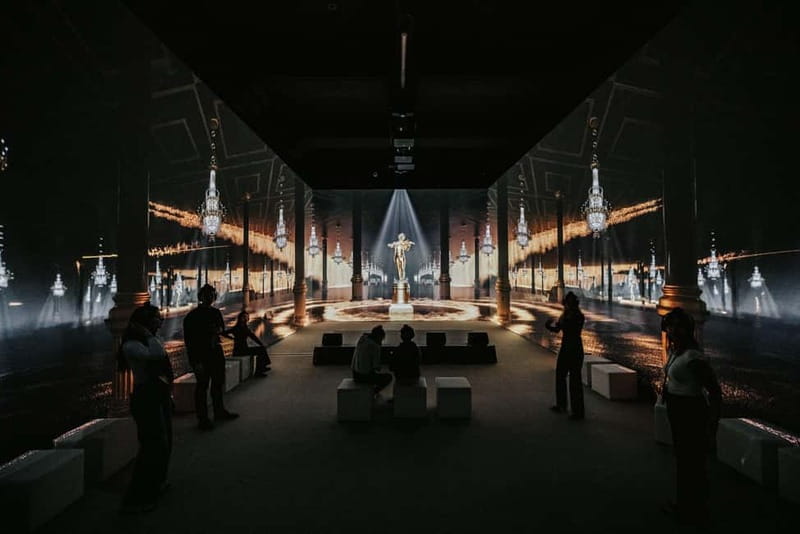
This is where the experience feels most modern. The museum uses a location-based 3D sound system with real-time tracking through your headphones. In plain terms, the audio changes as you move through virtual spaces.
That means you’re not stuck in one spot. You don’t have to pause your body every few steps to catch up on information. You can keep walking, and the audio guide is designed to follow your position.
One review called out the audio guide as great value and praised it directly. Another review noted there’s a lot happening through headphones, so you should be the type of visitor who’s comfortable with that setup.
If you’re the kind of person who dislikes audio-led experiences, this is still worth trying, but know what you’re signing up for. The museum is built around headphones, not open-air interpretation.
Multimedia stations: matching what you see to what you hear
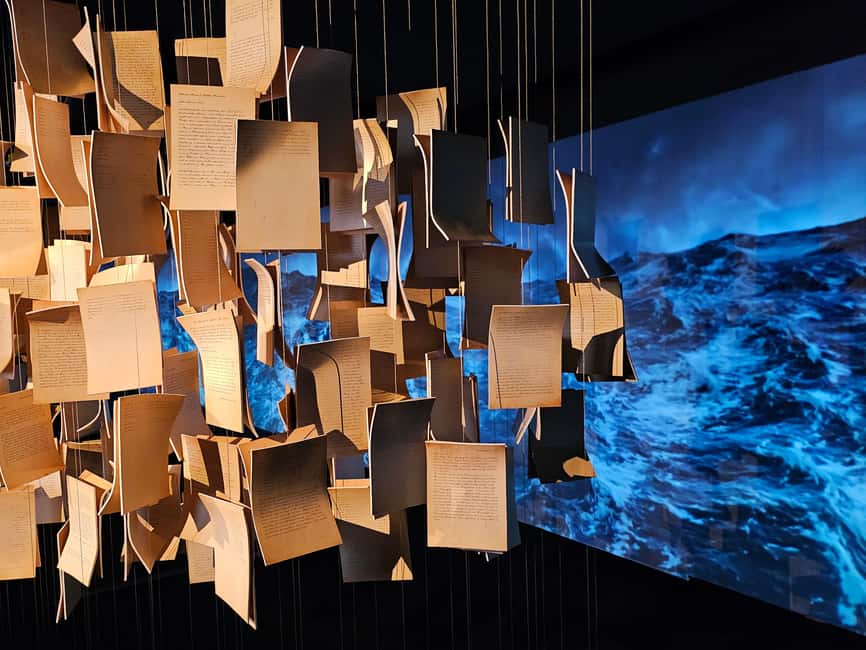
Along the way, the museum uses multimedia stations that mix animation, sound, and interactive prompts. These are meant to bring Strauss’ melodies to life rather than just naming them.
You’ll likely feel the story tighten as you progress. Early on, you’re learning the “who and when” of Strauss. Later, the stations help you connect those details to the music itself. The end result is less “facts on a wall” and more “music with a plot.”
This matters for value. At around 75 minutes, the museum has to keep momentum. The multimedia stations are the tool that prevents the visit from becoming a slow march through display cases.
More tickets and entries in Vienna:
- Vienna Kunsthistorisches Museum Day Admission Ticket
★ 4.6 · 3,690 reviews - Vienna: Tickets for Mozarthaus Vienna with Audio Guide
★ 4.2 · 2,344 reviews - Vienna: Skip-the-Line Entrance Ticket to the Danube Tower
★ 4.5 · 2,303 reviews - Tickets for the Albertina Exhibitions
★ 4.7 · 2,126 reviews
The composing machine: make a waltz and take it with you
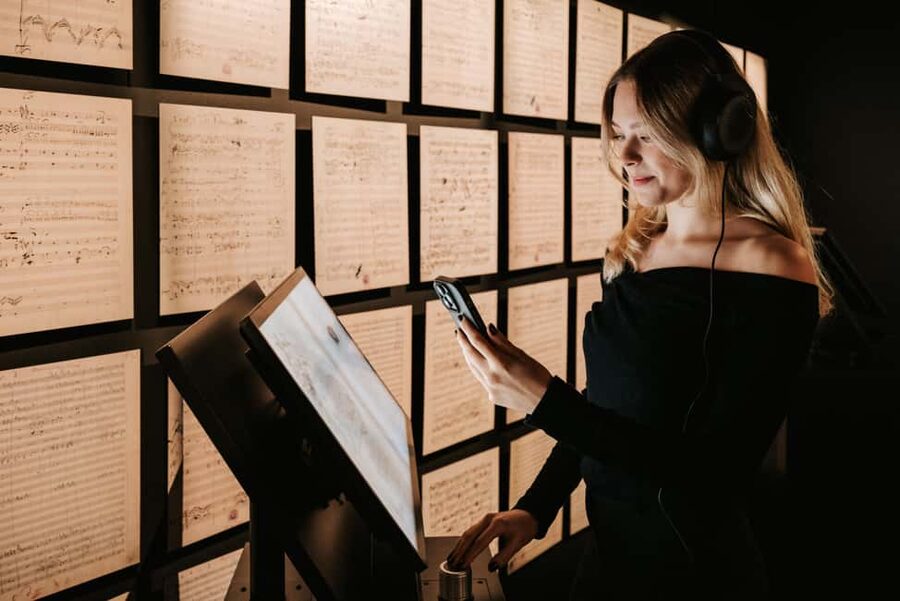
If you want one concrete memory you can bring home, aim for the composing machine. This is an actual interactive tool in the museum where you can compose your own waltz. You then get a personalized sheet of music to take away.
That’s a big deal for a few reasons. First, it turns a passive museum stop into a small creative moment. Second, you get something tangible. A printed sheet is easier to remember than another photo on your phone.
Even if you don’t consider yourself musical, the point here is participation, not performance. You’re building a version of a waltz and learning the experience of composition through the museum’s system.
Expect this to be a favorite moment if you like hands-on activities more than reading. If you’re traveling with kids or teens, this kind of output often works better than another “look but don’t touch” attraction.
Photo booth: become Strauss, then keep the souvenir
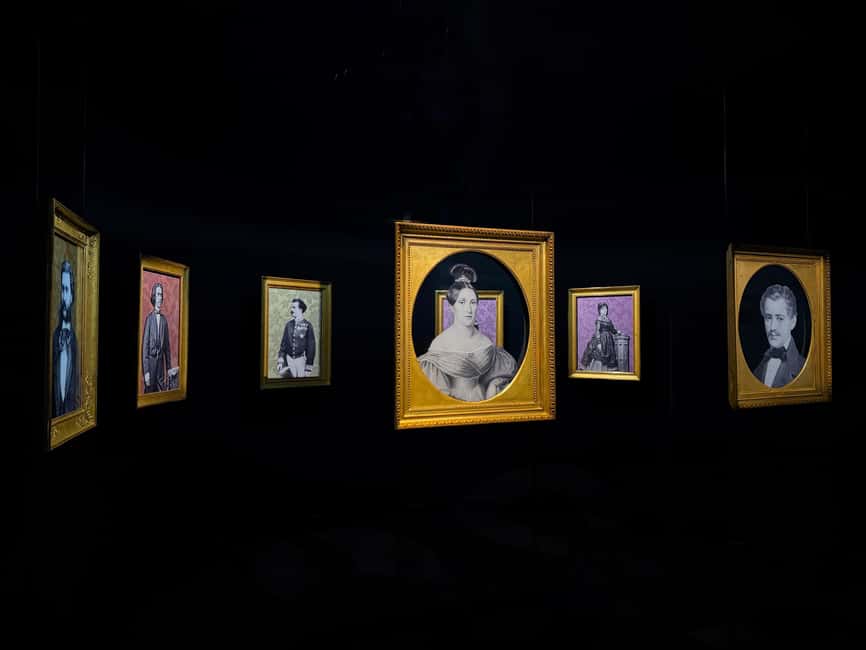
Another stand-out is the photo booth concept. The museum includes a setup where you can take a photo of yourself as Johann Strauss, and then have it printed out on the spot.
This is the kind of thing people sometimes skip because it feels gimmicky. In this case, it matches the overall style of the museum, which blends story, tech, and playful participation. It also gives you a low-effort, high-reward keepsake.
After your session, you’ll also have access to the souvenir shop connected with the experience. One review specifically mentioned the staff at the entrance were kind and helpful, which is a good sign for a museum entry that relies on ticket handling and equipment pickup.
Timing that actually works: a 75-minute visit
The visit runs about 75 minutes, which is a very doable length for Vienna. It’s long enough to feel like a complete story. It’s short enough to fit into a day that already includes walking, coffee, and maybe one or two classic sights.
Just make sure you plan your schedule around your ticket time. Timeslot tickets require you to adhere to the selected day and time, so don’t pick a slot that’s too close to another timed reservation.
Also note the opening hours: Sunday to Thursday, 10:00 a.m. to 6:00 p.m. and Friday to Saturday, 10:00 a.m. to 7:00 p.m. That helps you choose an evening-adjacent slot if you want to keep your afternoons open.
Price and value: why $28 can make sense here
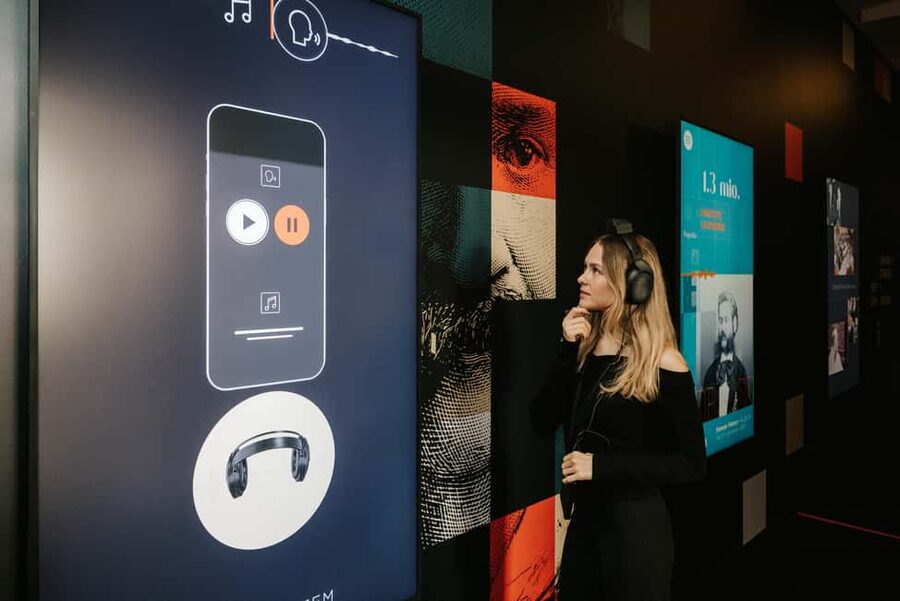
At $28 per person, this isn’t a bargain-basement attraction. It’s also not priced like a luxury show. The value comes from what you actually get in that 75 minutes.
You’re not just paying for entry to a room of displays. You’re paying for:
- Admission to the museum experience
- Headphones as an audio guide
- Use of the composing machine
- A photo booth component, with on-the-spot printing
- Access to the souvenir shop with that photo setup
When you break it down, the “keepsakes” and the interactive composing component are a major part of the perceived value. You walk out with both a printed waltz sheet and a printed portrait, which adds up in a way that purely digital experiences often don’t.
And the rating backs it up. With a 4.8 score across 60 reviews, the vibe is clearly more than a one-off novelty. The audio guide seems to land well, and the overall pacing seems to work for a wide range of visitors.
Who should book this (and who might not love it)
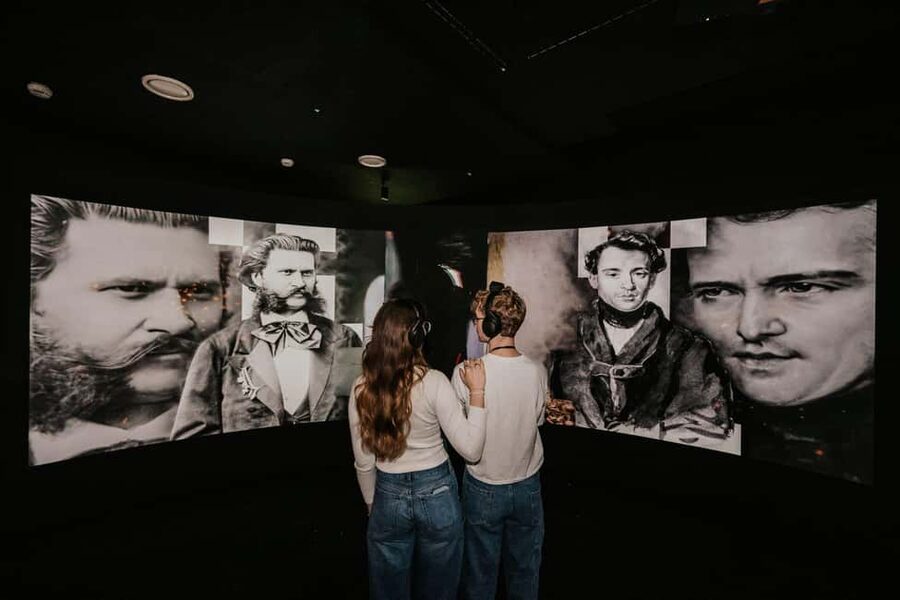
This works best if you:
- Like music history but want it told through more than reading
- Enjoy hands-on activities like composing something you can take home
- Want a tech element that actually affects the experience, not just background screens
- Don’t want a long, tiring museum day
It may not work for everyone if:
- You get motion sickness. The museum is not listed as suitable for people with motion sickness, so take that seriously.
- You strongly dislike wearing headphones for extended time. One review noted that everything is played through the headphones, and the set is large, so comfort matters.
If your group includes both classical music fans and people who normally avoid museums, this is one of those “compromise that actually works” kinds of outings. The structure keeps you moving and doing things.
What it feels like from start to finish
Here’s the practical flow you can expect:
- You start at the museum entrance and get set up with headphones.
- You move through interactive exhibits that connect Strauss’ story to the music.
- You use multimedia stations to understand what you’re hearing.
- You follow the audio guide through spaces supported by location-based 3D sound.
- You reach the composing machine, where you create your own waltz and take away your sheet of music.
- You finish with the photo booth experience and then you’re back out.
There’s a reason the experience is popular with visitors who dislike traditional museum pacing. It constantly swaps formats: audio cues, visual animations, interactive tasks, and a physical output at the end.
Practical tips so you get the most out of it
- Wear something comfortable for movement. You can move through virtual spaces, and the audio is tied to location.
- If you’re sensitive to audio equipment, plan ahead. Bring any ear preferences you use at loud venues, because you’ll be wearing headphones throughout.
- Build time into your day. Because it’s a timed entry, you don’t want to rush your start, and you want a buffer after the 75 minutes.
- If you care about souvenirs, keep an eye on the photo booth and composing steps. These are the moments with the most take-home value.
And one small mindset shift helps: treat it like a guided experience, not a museum crawl. When you do that, it feels faster and more fun.
Should you book this Johann Strauss Museum ticket?
Book it if you want Vienna’s waltz story told in a way that’s active, headphone-led, and hands-on. The location-based 3D sound is the standout, and the composing machine plus printed waltz sheet is a rare combination of tech and real keepsake.
Skip it if motion sickness is an issue, or if you know you can’t stand wearing headphones for the full visit. For everyone else, especially music fans, curious first-timers, and people who usually find museums slow, this is strong value for a focused 75-minute stop.
FAQ
How long is the Johann Strauss – New Dimensions experience?
The experience lasts about 75 minutes.
Do I need to stick to a specific time slot?
If you have a timeslot ticket, you must adhere to the selected day and time.
What languages is the audio guide available in?
The audio guide is included and available in Chinese, English, French, German, Italian, Japanese, Korean, and Spanish.
What’s included with the ticket besides entry?
Your ticket includes headphones as an audio guide, use of the composing machine, and access to the souvenir shop with a photo booth.
What are the opening hours?
Sunday to Thursday are 10:00 a.m. to 6:00 p.m., and Friday to Saturday are 10:00 a.m. to 7:00 p.m.
Is it suitable for everyone?
It’s wheelchair accessible, but it is not suitable for people with motion sickness.
Recently reviewed around Vienna
- Vienna: Mozart, Beethoven, & Strauss Private Tour★ 5.0 · 4 reviews
- Vienna: Musical Tickets ROCK ME AMADEUS – THE FALCO MUSICAL★ 4.8 · 15 reviews
- Vienna: Mozart Concert with Dinner and Carriage Ride★ 4.8 · 25 reviews
- Private Melk Hallstatt, Salzburg tour from Vienna★ 4.9 · 22 reviews
- Vienna: ‘Armenia In The Heart Of Austria’ Tour★ 5.0 · 6 reviews
- Vienna: Mozart Private Guided Tour★ 5.0 · 4 reviews
- Vienna: Luxury Vintage Fashion Walking Tour★ 3.4 · 8 reviews
- Vienna: Kunsthistorisches Museum Guided Tour incl. admission★ 4.9 · 32 reviews
Classical Concerts, side by side.

Vivaldi’s Four Seasons Concert in Karlskirche
Read our review →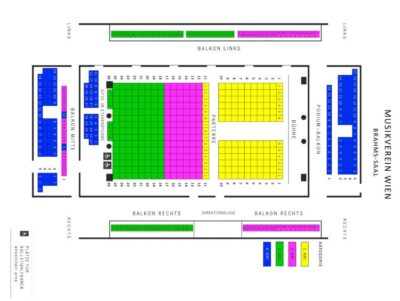
Classical Concert in the World-Famous Musikverein
Read our review →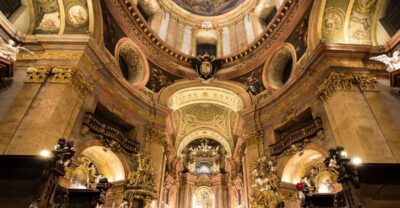
Classic Ensemble Vienna in St. Peter’s Church Ticket
Read our review →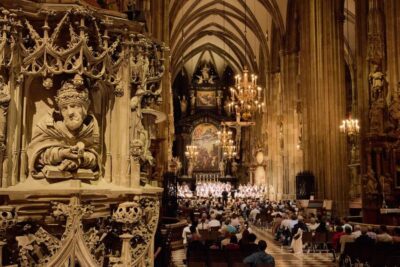
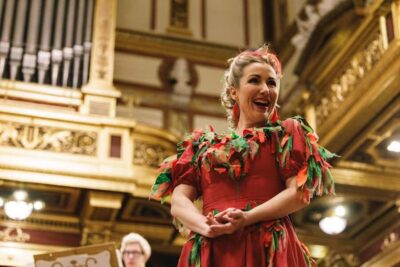

Classical Concert in St. Anne’s Church (Annakirche)
Read our review →
Lists this tour appears in