
Appraised · MUSEUMS
Vienna: Heidi Horten Collection Museum Entry Ticket
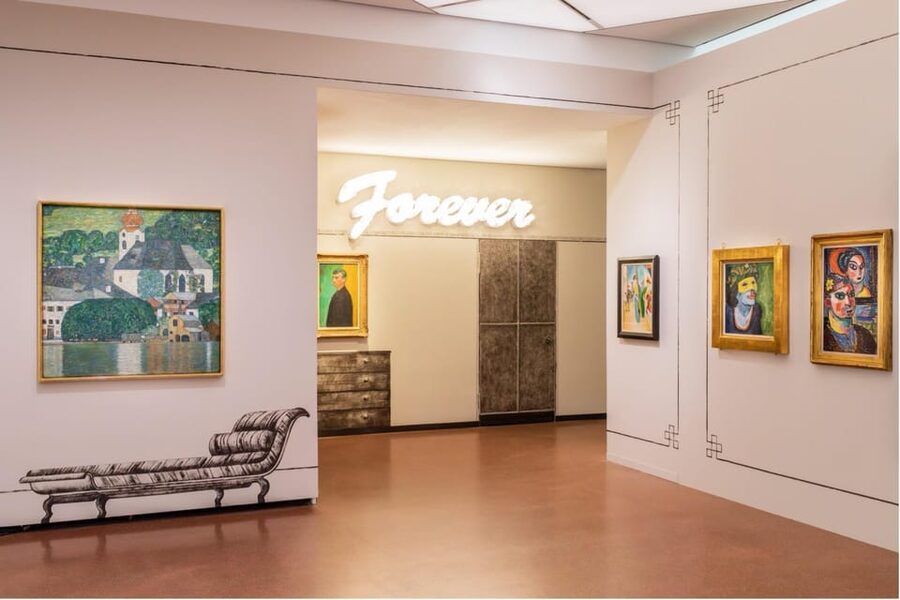
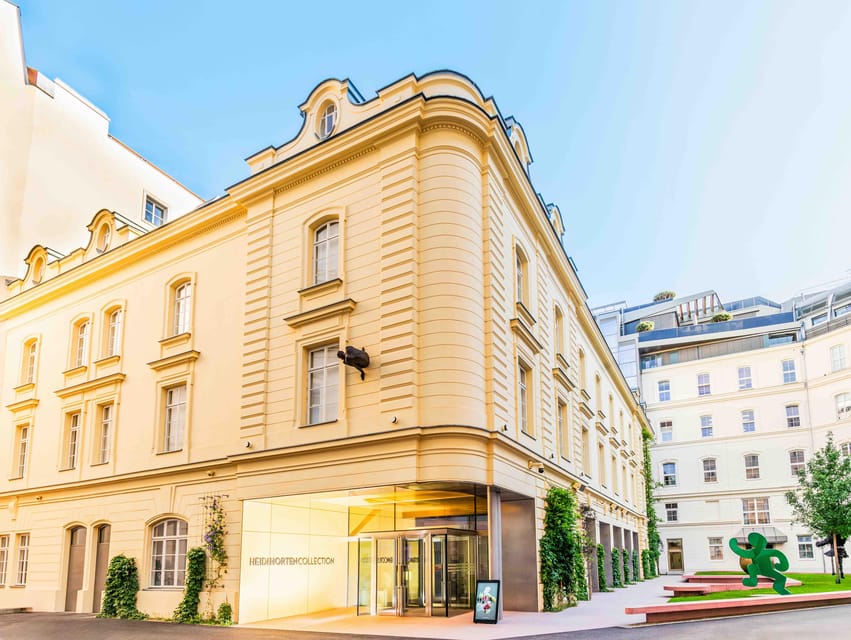
Vienna’s Heidi Horten Collection is interesting because it blends serious modern art with museum architecture that feels like part of the artwork. You start in a sculpture garden in front of a former Habsburg city palace, then move into a building designed as a total experience.
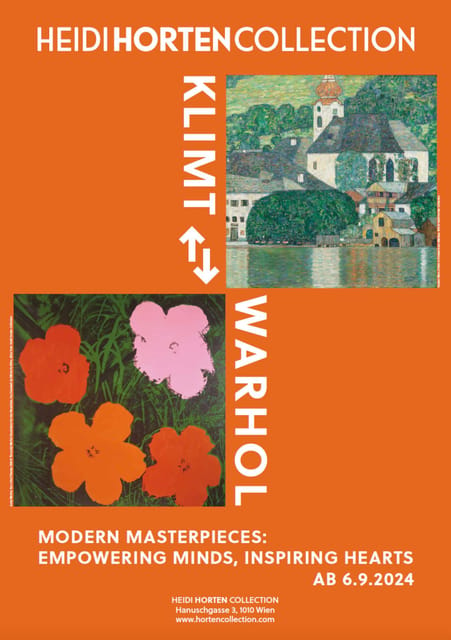
I especially like the way KLIMT ⇄ WARHOL. Modern Masterpieces connects two art-world icons through actual works you can stand close to. I also love the museum’s attention to design details, from the Tea Room to how the exhibitions are staged.
One possible drawback: this is an entry-ticket museum experience, not a guided tour, so you’ll want to use the free audio guide to get the most from the big names on the walls.
Key things I’d focus on
- The sculpture garden first: it’s in front of the museum, in a setting tied to a former Habsburg palace.
- Tea Room on the first floor: a classicist-style room designed as a mix of parlour and cabinet of curiosities.
- KLIMT ⇄ WARHOL display design: the exhibition setup was designed by Markus Schinwald.
- Free Smartify audio guide: choose English or German on your phone.
- Temporary exhibition The Line: runs until 8 March 2026 and tracks how artists use the line from around 1900 to today.
Heidi Horten Collection: modern and pop art in Vienna’s historic center
This museum is built for people who like their art with context. In one stop, you’re looking at 20th-century classics, pop art icons, and the kind of design thinking that makes the building feel intentional, not just functional.
The location matters too. You’re in Vienna’s historic center, and the experience starts outside. That shift helps you reset your brain before you face the art. It’s the sort of museum where the setting is part of the mood.
If you care about the “why” behind style changes, the Heidi Horten Collection does a good job of guiding you without spoon-feeding you. You can move fast and still feel oriented, or slow down and use the audio guide to connect eras and themes.
More museums and galleries in Vienna:
- Vienna: Skip-the-Line Sisi Museum, Hofburg and Gardens Tour
★ 4.8 · 5,918 reviews - Vienna Kunsthistorisches Museum Day Admission Ticket
★ 4.6 · 3,690 reviews - Tickets for the Albertina Exhibitions
★ 4.7 · 2,126 reviews
Entering smart: tickets, turnstiles, and the do-not-bring rules
Your entry is straightforward. Go straight to the museum turnstiles and validate your ticket there.
Before you go in, check a few limits so you don’t waste time. No luggage or large bags are allowed, pets are not allowed (assistance dogs are), flash photography is prohibited, and umbrellas are also not allowed. If you like to carry a day bag, pack light so you’re not scrambling at the entrance.
Also, note the seasonal access rule. From 9 to 26 March 2026, only one floor of the museum is accessible, and the ticket price is reduced from EUR 16 to EUR 12. If your trip falls in those dates, plan your expectations around a smaller slice of the museum.
A quick practical tip: if you’re using a phone ticket, make sure your screen brightness is high and your ticket code is easy to read. If it’s even slightly hard to scan, expect delays at validation.
Start outside: sculpture garden views before you hit the galleries
The day begins at the sculpture garden directly in front of the museum. That matters more than you might think. Coming from street level into an art museum can feel like a jolt, but the garden softens that transition and gives you a “breathing space” right at the start.
The garden setting also ties into the building’s story. It’s located in front of a former Habsburg city palace, so you’re standing in a place with a strong Vienna lineage even before you see the art.
If you’re the type who likes to understand a place from the outside first, take five to ten minutes here. You’ll walk inside with better context for what the museum is trying to do.
Tea Room on the first floor: a parlour-meets-curiosities stop you should not skip
One of my favorite parts of the Heidi Horten Collection is the Tea Room on the first floor. It’s designed by Markus Schinwald and Hans Kupelwieser as a combination of a parlour and a cabinet of curiosities.
What that means in practice is that the room isn’t just a decorative break. It’s a focused display of treasures and valuable handicrafts from three centuries. So while the museum is known for modern and contemporary art, this stop gives you a different kind of collecting mindset.
Try to fit the Tea Room into your path early, not as an afterthought. It helps you recalibrate from big art gestures to smaller details and material culture, which can make the rest of the museum feel more connected.
And if you’re an architecture person, the Tea Room is a reminder that this museum treats design as part of the message, not just background.
More tickets and entries in Vienna:
- Vienna: Classic Ensemble Vienna in St. Peter’s Church Ticket
★ 4.7 · 4,819 reviews - Vienna: Tickets for Mozarthaus Vienna with Audio Guide
★ 4.2 · 2,344 reviews - Vienna: Skip-the-Line Entrance Ticket to the Danube Tower
★ 4.5 · 2,303 reviews - Sigmund Freud Museum Ticket
★ 4.6 · 1,668 reviews
KLIMT ⇄ WARHOL. Modern Masterpieces: the exhibition built for close looking
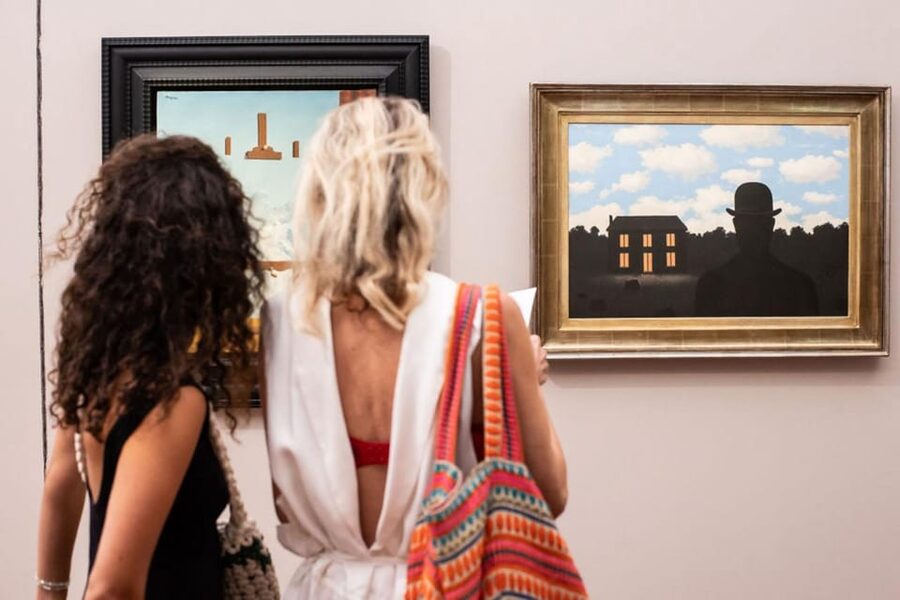
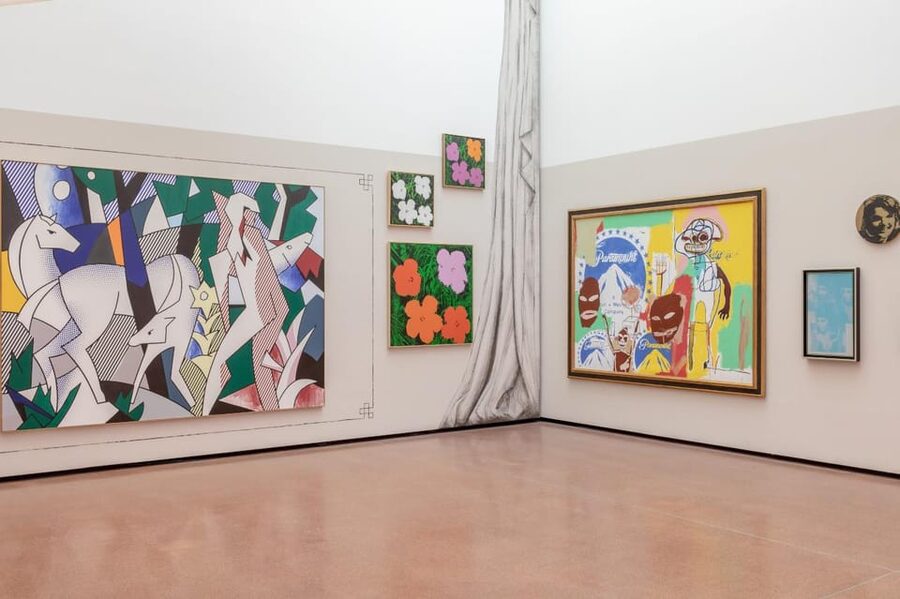
The permanent show is the headline: KLIMT ⇄ WARHOL. Modern Masterpieces. The key idea is the pairing. You get a chance to see modern and contemporary art through a lens that’s built around recognizable icons, not random wall-filling.
This exhibit isn’t just about the names either. You’ll see high-class paintings, drawings, and sculptures, and the display design is meant to shape how you look. The exhibition display was designed by Markus Schinwald, the same creative force behind the museum’s Tea Room.
I like the way this setup encourages you to compare. You’re not only asking what each artist made, you’re also noticing how pop culture energy, symbol language, and visual strategies can echo across decades.
What to do during the show: pick one or two works to linger with, then let the audio guide point you toward what to notice next. If you rush every piece equally, the exhibit can feel like a parade. If you anchor yourself to a few moments, it clicks faster.
The 20th-century line-up: big names, plus a clear sense of change over time
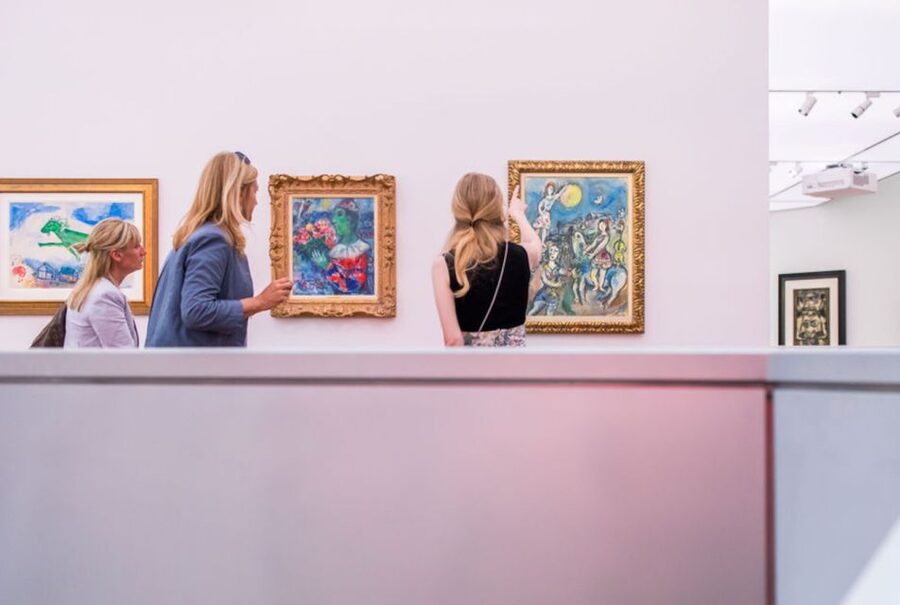
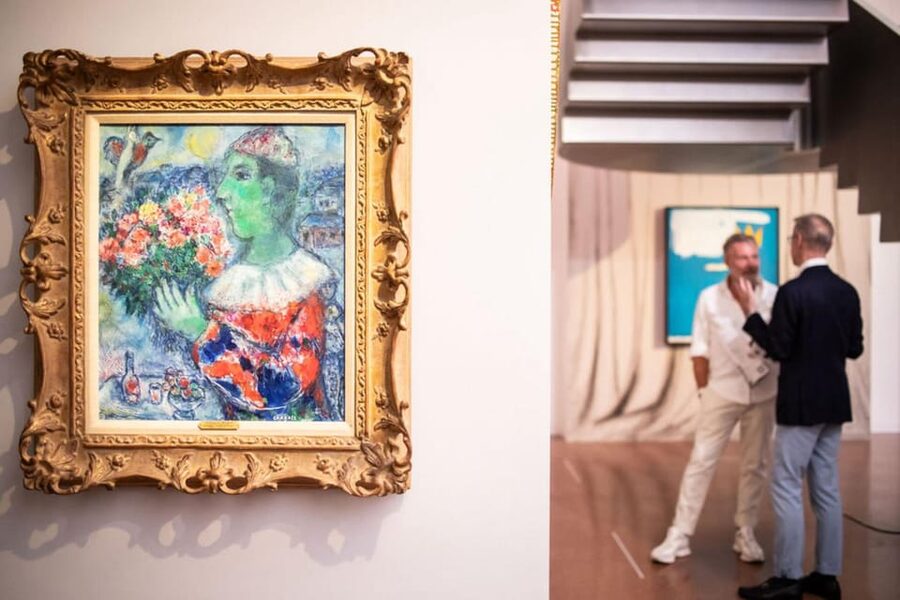
One reason this museum works for a lot of tastes is the breadth of artists represented in the permanent collection. You might see works by Francis Bacon, Georg Baselitz, Jean-Michel Basquiat, Marc Chagall, Kees van Dongen, Lyonel Feininger, Lucio Fontana, Damien Hirst, Keith Haring, Gustav Klimt, Robert Rauschenberg, Gerhard Richter, Mark Rothko, and Andy Warhol, among many others.
That is a lot of famous territory. So here’s the practical way to approach it: don’t try to remember every artist. Instead, track themes you can actually see. Color vs. black-and-white emphasis. Figure vs. abstraction. Painting vs. sculpture presence. Clean edges vs. broken surfaces. The museum gives you enough quality work that these patterns start to show up even if you skip memorizing names.
If modern art can sometimes feel like a blur, the Heidi Horten Collection gives you structure. You’re not only looking at isolated masterpieces, you’re building a quick timeline in your head by moving from room to room.
And because you get a free audio guide, you’re not stuck guessing what you’re seeing. Use it to identify the big turning points in style and intention, then go back to the art and confirm it with your own eyes.
The Line temporary exhibition: how one basic tool becomes art history
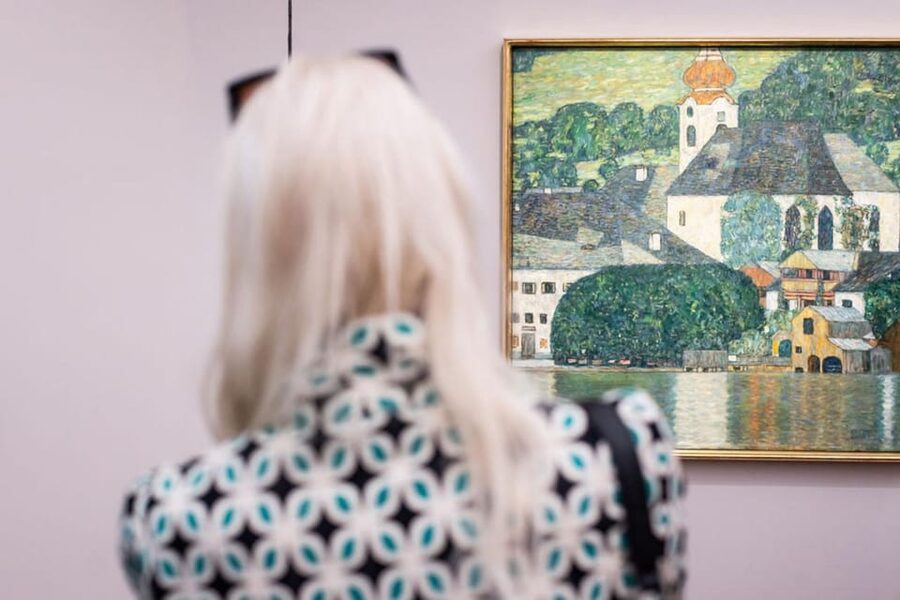
The temporary exhibition is Die Linie / The Line, running until 8 March 2026. The theme is delightfully specific: the line as a fundamental element of art.
This show takes you on a journey that starts around Vienna in the early 1900s, then moves through the art world of the 1960s and onward to the present. The point is not that the line is simple, the point is that it behaves differently depending on the artist and the era.
You’ll find works connected to the theme by major international names, including Paul Klee, Lucio Fontana, Roy Lichtenstein, Egon Schiele, Jackson Pollock, Agnes Martin, Andy Warhol, and Chiharu Shiota, plus others listed as part of the exhibition.
If you want a way to make modern art feel less random, this is it. Lines can be drawn, cut, painted, implied, stretched across space, and turned into rhythm. Once you notice how the line functions, the art stops feeling like a lottery.
Using the free Smartify audio guide without wasting time
You get a free Smartify audio guide on your phone, available in English or German. It’s designed to be entertaining and informative, and it can help you choose what to focus on when you’re surrounded by high-profile artworks.
Here’s a good strategy: start with the audio guide for your first major section, then turn it off and look silently for a bit. After a few minutes, switch it back on to confirm what you thought you saw. That loop prevents the audio from turning your visit into listening only.
The museum also notes options beyond self-guided entry. You can take part in private guided tours or creative workshops in the museum studio, but those are not included with the entry ticket. If you prefer structure and conversation, that’s worth considering as an add-on.
Even without a guide, the building experience helps. The space is designed so you can keep your orientation, and the architecture is a visual anchor while you move between art zones.
Price and value: is this about $18 a good deal?
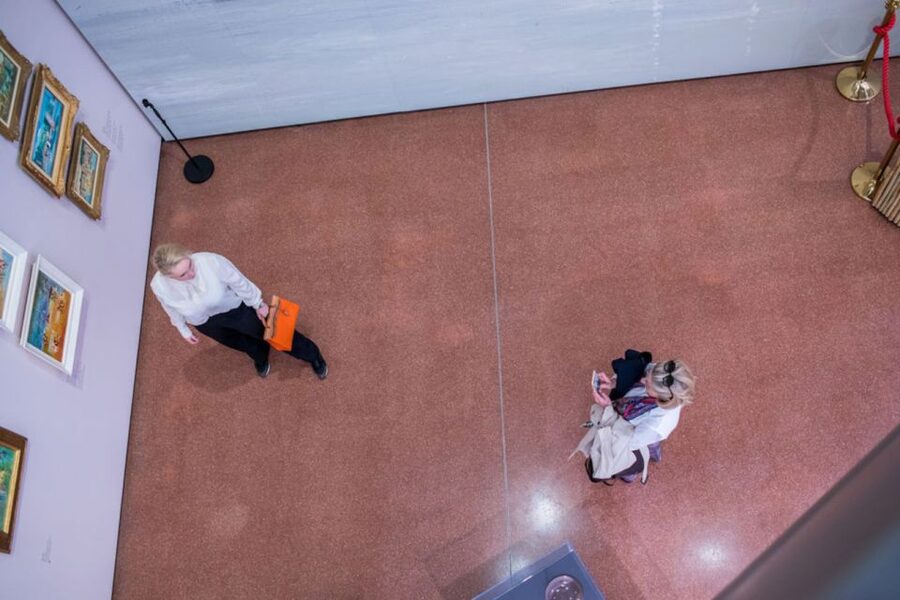
At around $18 per person, this ticket can be strong value for two reasons.
First, you’re not just buying access to a handful of rooms. You’re paying for a museum experience that includes the permanent show, the temporary exhibition The Line, and major design elements like the Tea Room and the sculpture garden setting. Even if you only spend a couple of hours, the architecture and staging still deliver.
Second, the ticket includes the free Smartify audio guide. That’s a real cost saver if you normally pay for audio at museums. It also makes the ticket more useful for people who want help interpreting major modern and pop art names.
One more value angle: during 9 to 26 March 2026, the museum runs on only one accessible floor and the ticket price drops from EUR 16 to EUR 12. If you’re traveling then, check that reduced schedule matches your interests.
Who should book this entry ticket, and who might not love it
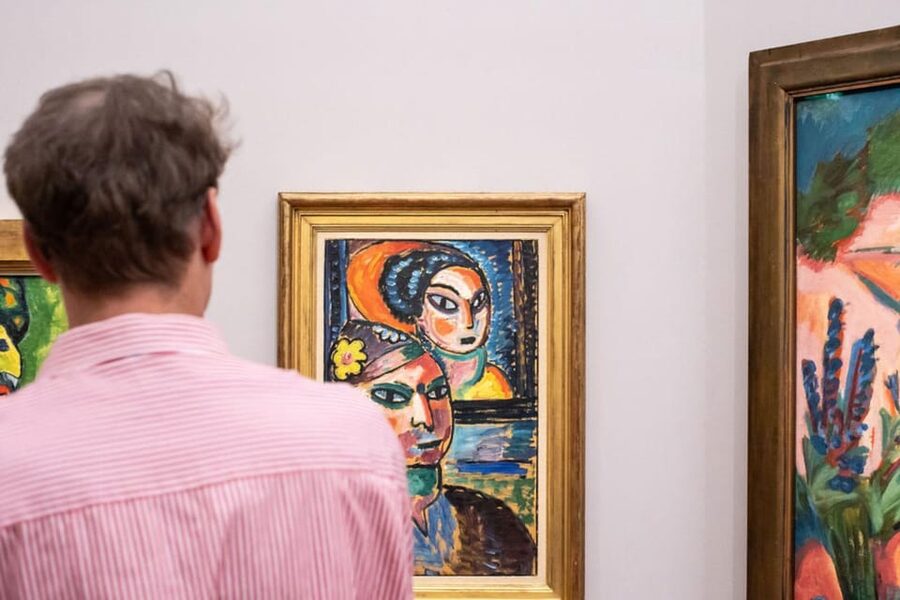
I’d book this if you want modern and pop art in Vienna with an art-world anchor show like KLIMT ⇄ WARHOL. It’s also a great fit if you care about museum architecture and design, because the building and Tea Room feel like part of the experience.
You might think twice if you strongly prefer guided explanations. A guided tour is not included with the entry ticket, so you’ll need to rely on the audio guide to connect the dots. Also, if you like traveling with larger bags, the luggage and large bag rule could be a hassle.
If you’re visiting with mobility needs, the museum is wheelchair accessible, which is a big plus for planning.
Should you book your entry ticket?
Book it if you’re curious about how pop art and modern masterpieces can be presented in a way that feels designed, not chaotic. The combination of KLIMT ⇄ WARHOL, the temporary show The Line, and the architectural experience, plus the free Smartify audio guide, gives you a lot of value in a single day.
Skip it or plan something else if modern art is not your thing and you don’t enjoy self-guided museum pacing. Also consider the March 9 to 26, 2026 one-floor access rule, if your trip is in those dates.
If you want a focused Vienna museum day that feels different from the classic palace-and-church route, the Heidi Horten Collection is an easy yes.
FAQ
What does the Vienna Heidi Horten Collection entry ticket include?
It includes entry to the Heidi Horten Collection and a free Smartify audio guide on your mobile phone.
Is the Smartify audio guide available in English and German?
Yes. The audio guide is available in English and German.
How long is the ticket valid?
The ticket is valid for 1 day. You’ll want to check availability for starting times.
Where do I go to validate my ticket?
Please proceed directly to the museum turnstile to validate your ticket.
Do I get a guided tour with this ticket?
No. A guided tour is not included.
What temporary exhibition is included, and when does it end?
The temporary exhibition Die Linie / The Line is included and runs until 8 March 2026.
Are there restrictions on photography or bags?
Yes. Flash photography is not allowed, and luggage or large bags are not allowed.
What changes from 9 to 26 March 2026?
From 9 to 26 March 2026, only one floor of the museum is accessible, and the ticket price is reduced from EUR 16 to EUR 12.
Recently reviewed around Vienna
- Vienna: Mozart, Beethoven, & Strauss Private Tour★ 5.0 · 4 reviews
- Vienna: Musical Tickets ROCK ME AMADEUS – THE FALCO MUSICAL★ 4.8 · 15 reviews
- Vienna: Mozart Concert with Dinner and Carriage Ride★ 4.8 · 25 reviews
- Private Melk Hallstatt, Salzburg tour from Vienna★ 4.9 · 22 reviews
- Vienna: ‘Armenia In The Heart Of Austria’ Tour★ 5.0 · 6 reviews
- Vienna: Luxury Vintage Fashion Walking Tour★ 3.4 · 8 reviews
- Vienna: Kunsthistorisches Museum Guided Tour incl. admission★ 4.9 · 32 reviews
- Vienna: Mozart Private Guided Tour★ 5.0 · 4 reviews
Museums, side by side.

Skip-the-Line Sisi Museum, Hofburg and Gardens Tour
Read our review →
Vienna Kunsthistorisches Museum Day Admission Ticket
Read our review →

Chocolate Workshop in Chocolate Museum w/ Tasting
Read our review →
St. Stephen’s Cathedral & Dom Museum Wien Tickets
Read our review →

Lists this tour appears in