
Appraised · VIENNA WALKING TOURS
Vienna Art Nouveau Walking Tour
Vienna’s Art Nouveau metro is the kind of surprise that makes you look up, then look twice. I love how this tour teaches you to read Otto Wagner details in real time, and I love the way it mixes metro-station design with big-name Jugendstil sights like the Secession Building. One thing to consider is that key entrances are extra, so you need to budget a bit for sites inside the Secession area.
You’ll also get the practical angle, not just pretty facades. The story is about why Vienna built modern transit during late 19th-century growth, and how Wagner turned that infrastructure into something instantly recognizable across the city.
And depending on the day you go, you may see Klimt’s most famous work at the Secession House. If you’re going Tuesday to Sunday, plan on paying the Secession House ticket directly with your guide’s help.
Key highlights to look for
- Otto Wagner’s design logic, from materials to symbols, not just style talk
- Stadtpark station, widely considered the best-preserved original station still in use
- Kettenbrücke station, a turning point that links metro architecture with major Jugendstil landmarks
- The Secession Building (Secession House), one of Vienna’s clearest Art Nouveau statements
- A visit to the imperial station outside Schönbrunn, where politics and design meet
- Small groups with real Q and A, including guided explanations that can shift to your interests
Why Vienna’s Art Nouveau Metro Is Not Just Pretty, It’s Meaningful
This tour is interesting because it treats public transport like public art. In Vienna, the metro story is also a story about identity, style, and who a city wanted to be seen as.
I like that the guide focuses on what you’re seeing while you’re seeing it. You don’t just hear about Art Nouveau, you learn how to spot the favored symbols and materials in Wagner’s work, and then apply that lens to stations and buildings.
The biggest practical win is that the tour helps you understand Vienna’s metro system as a living thing. You come away able to connect the dots between neighborhoods, the Ringstrasse idea, and why those lines mattered when Vienna’s suburbs started growing fast.
More walking tours in Vienna:
- Vienna: Guided Walking Tour of City Center Highlights
★ 4.7 · 4,989 reviews - Vienna: Vienna Central Cemetery Guided Walking Tour
★ 4.8 · 3,307 reviews - Vienna: Guided Walking Tour of City Highlights & Hidden Gems
★ 4.9 · 2,180 reviews
Otto Wagner’s Big Job: Build a Metro You Could Recognize at a Glance
Late 19th-century Vienna grew quickly, and leaders needed a modern public transportation system to connect suburbs to the city center along the Ringstrasse. The architect chosen for the job was Otto Wagner, and his goal went beyond function.
He wanted the design to be iconographic, meaning you should recognize it fast, even from a distance. That’s why Art Nouveau, with its international avant-garde feel, fit the assignment so well.
What you’ll appreciate on this tour is how Wagner translated Art Nouveau ideas into something that could carry civic weight. You’ll notice how a style often linked with the bourgeois becomes more formal and grand, especially when the design has political or imperial symbolism behind it.
Café Museum to Karlsplatz, a Calm Start Before the Jugendstil Tour Begins
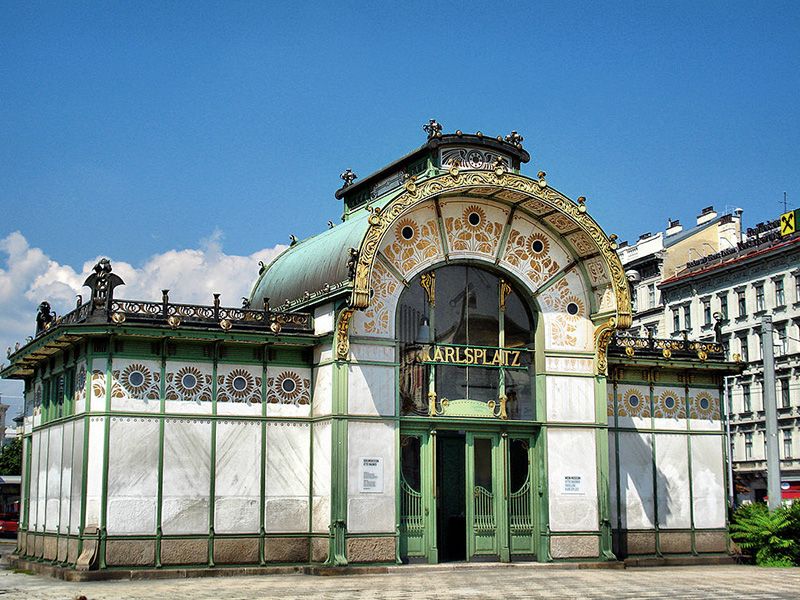
You’ll start at Café Museum on Operngasse 7, which is a smart launch point because you get oriented right at the beginning. From there, the tour moves toward the Wien Museum Otto Wagner Pavillon at Karlsplatz for a guided visit.
This pavilion is worth your attention even before you reach the station architecture. It sets up how Wagner approached public-facing design, with a clean sense of structure that makes his later metro work easier to understand.
You’ll also have time for the small Wagner Museum stop. If you like seeing the “why” behind the “what,” this intro helps you follow the rest of the walk with less guessing.
Karlsplatz to Stadtpark: Spot Jugendstil Details in Real Metro Architecture
The walk to Stadtpark station is one of the reasons I like this tour. Stadtpark is described as the best-preserved original station still in use, so you’re seeing a building that still carries the feel of the original concept.
This is where you start learning the reading skills the tour is built on. You’ll want to look for the design choices Wagner used to make transit feel like part of the city’s culture, not a separate utility.
A small caution: even though you’re walking and stopping for explanation, expect to cover ground. If your legs are fresh, this segment feels smooth. If you’re already tired from sightseeing, plan a lighter day before or after.
A completely different kind of day, same corner of Austria:
- Vienna: Vivaldi’s Four Seasons Concert in Karlskirche
★ 4.7 · 14,951 reviews - Vienna: Schönbrunn Palace & Gardens Skip-the-Line Tour
★ 4.7 · 7,739 reviews - Vienna: Light of Creation Votive Church Immersive Light Show
★ 4.8 · 6,779 reviews - Vienna Spanish Riding School Guided Tour
★ 4.7 · 6,765 reviews
Kettenbrücke to the Secession Building, Where Viennese Jugendstil Gets Loud
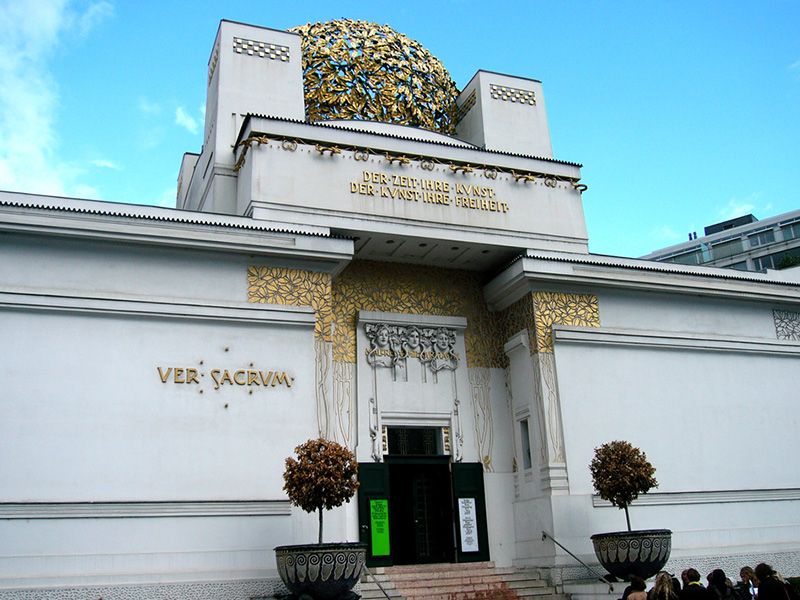
Next comes the metro stop at Kettenbrücke station, and the walk around it is where the tour becomes more than “metro, but nicer.” Along the way you’ll visit the famous Secession House, the icon par excellence of Viennese Jugendstil.
This is a big moment if you like design that’s bold and self-aware. The Secession Building is where you’ll connect Wagner’s Art Nouveau approach to a wider Viennese art movement, not just transit design.
You’ll also see two apartment houses designed by Otto Wagner. That detail matters because it shows you how Wagner’s ideas moved beyond one type of project, and how he adapted the same design thinking for everyday city living.
If you’re going on Tuesday to Sunday, your Secession House visit includes Gustave Klimt’s Beethoven Frieze. The ticket for that is not included in the tour price, so bring cash or a card plan and let your guide help you pay the site entry.
Österreichische Postsparkasse and Otto Wagner in Everyday Vienna
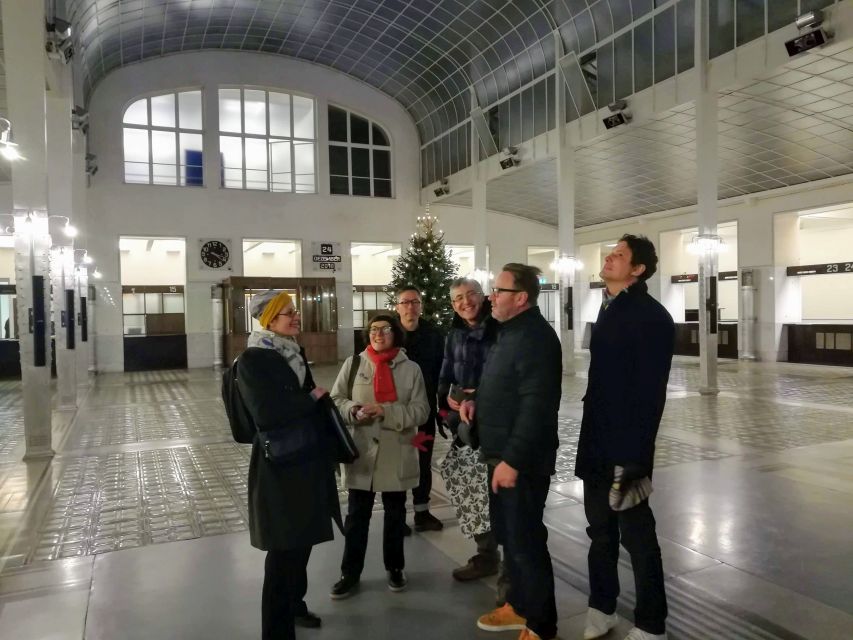
The itinerary also includes a guided stop at Österreichische Postsparkasse. This works well because it keeps you from thinking of Wagner as only a metro architect.
You’ll get a sense of how Art Nouveau shows up in civic and commercial buildings. The design language you learn earlier keeps paying off as you move from stations to larger public structures.
One of the subtle benefits here is pacing. You get metro architecture, then a major Jugendstil statement, then more everyday buildings. That mix helps your brain categorize what you’re seeing, so you leave with patterns you can recognize later on your own.
Hietzing and the Otto Wagner Hofpavillon, Moving Toward Imperial Scale
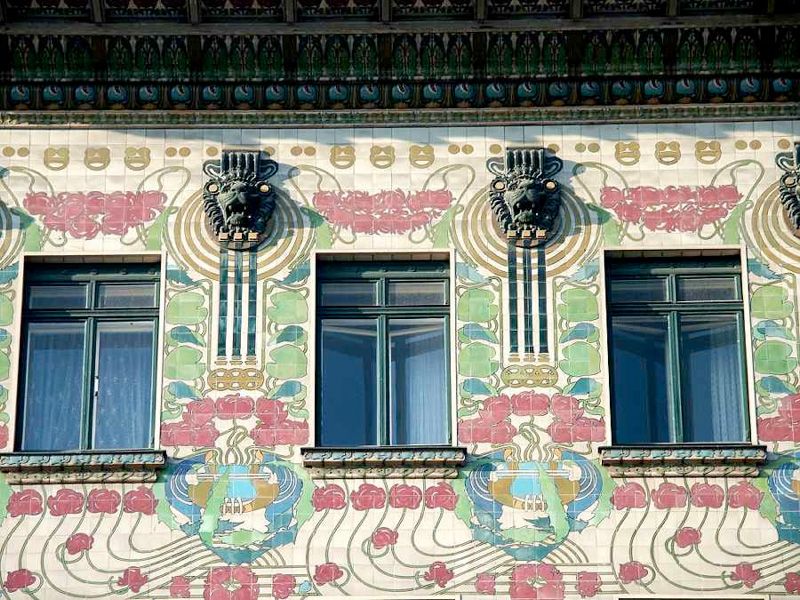
After the Secession area, the tour shifts toward Hietzing and includes a guided visit to the Otto Wagner Hofpavillon Hietzing. This stop gives you a different temperature of Wagner’s work.
If you’ve been thinking of Art Nouveau as primarily decorative, this part nudges you to see the stronger side of the style: how it can carry ceremony. It also helps you understand why Vienna could treat architecture and infrastructure as part of an imperial image.
You’ll likely feel the tour tightening its focus as you move from city-center landmarks toward the emperor-focused ending.
The Imperial Station Outside Schönbrunn: Politics Written in Stone and Space
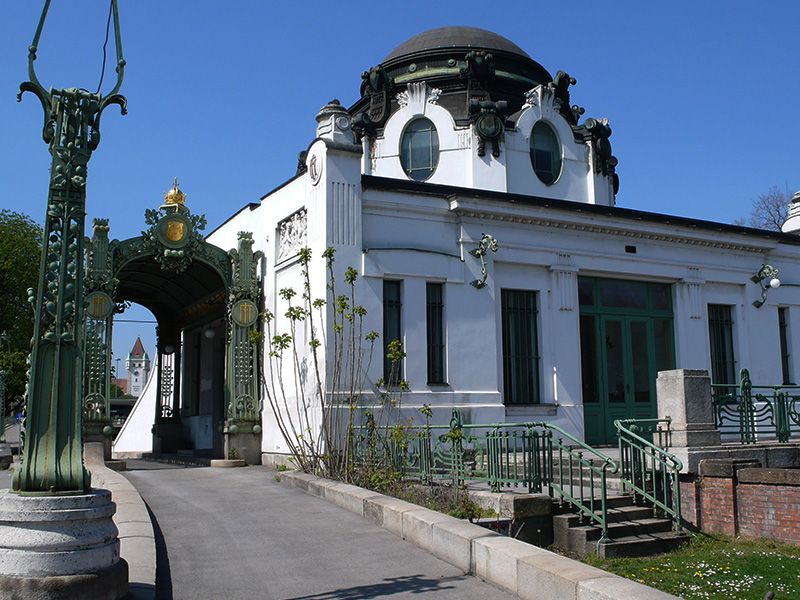
From the metro area around Kettenbrücke, the tour ends with a ride to the imperial station, described as erected outside Schönbrunn solely for the emperor to use. This is the crown-jewel idea of the line.
But the best part is why it was built. The station had symbolic meaning, designed to show critics of Vienna’s metro that the emperor supported the line.
When you’re there, pay attention to how Wagner translates the generally bourgeois Art Nouveau language into imperial grandiosity. That contrast is the point. The building isn’t just transit for riders, it’s transit as messaging, with architecture doing the work of politics.
If you enjoy design that has a story behind it, this is your payoff stop. If you only care about photo spots, it may feel more “explainy.” I found the explanation helped me notice specific methods Wagner used to make the space feel official.
How Much Is $176 Worth for 3 Hours, and What You Still Need to Pay
The price is $176 per person for a 3-hour guided tour with a historian guide. For Vienna, that’s a mid-to-premium cost, but it’s not just because someone talks while you walk.
You’re paying for guided context around Otto Wagner’s work, plus a guided metro-based route that links multiple sites and keeps you from treating them as random stops. The tour also includes time at the Café Museum and Karlsplatz pavilion, and it includes guided views at several key buildings.
The extra costs are real. Admission is not included for the Otto Wagner Pavillon and the Secession House, and the Secession House ticket details depend on the site day. If you’re going Tuesday to Sunday, plan on paying the Secession House fee (listed as €9.50 for adults and €6 for students and seniors). Your guide can help you sort payment at the site.
My practical take: if you’re the kind of person who likes architecture and wants it explained in a way you can actually use, the value holds up. If you mostly want wandering time and don’t care about the story behind the design, you might feel the structure is too guided.
The Best Fit: Who This Tour Suits Best
This works especially well if you’re curious about how cities build identity through infrastructure. It also suits you if you like Jugendstil and want to see it in both art buildings and transit.
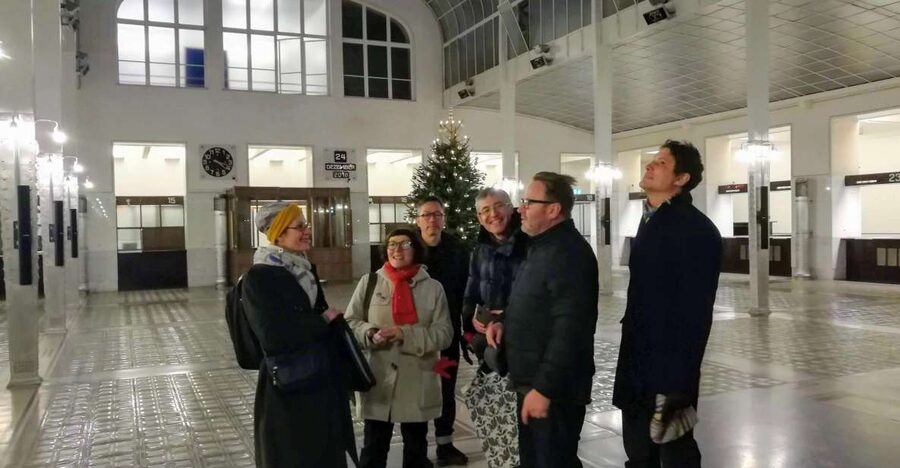
It’s a strong choice for couples and small groups, because the tour can be tailored when you have fewer people. In one past experience with Wolfgang, the group size was just two, and the guide tailored what they focused on and kept the pace active, with lots of walking.
I’d also recommend it to you if you like Q and A. One guide, Peter, was described as very accessible and deeply knowledgeable, with answers that went beyond architecture and into Austria history and even how to spot hidden places of worship like synagogues. That kind of broad context can make the tour feel like it’s feeding your curiosity instead of just delivering facts.
If you prefer tours that move slowly with minimal stops, this might feel like a lot. The time is packed, and you’ll be switching between walking segments, guided museum moments, and metro rides.
What to Do After the Tour, So It Sticks
You’ll leave with a new lens for Vienna. When you’re back out walking, try spotting Art Nouveau details on buildings you pass, not just the obvious landmarks.
If you want to keep the theme going, plan your next sightseeing day around major architecture clusters, so the Wagner and Jugendstil ideas stay fresh. Even quick stops at other Secession-era or Wagner-related sites can feel more rewarding once you know what to look for.
And keep your notes simple. I like remembering three things: Wagner’s mission for an iconographic metro, the contrast between bourgeois Art Nouveau and imperial messaging, and the way stations served as public statements.
Should You Book This Vienna Art Nouveau Walking Tour?
Yes, if you want Art Nouveau with context and you’re interested in how design and politics shaped Vienna’s metro. You’ll get real interpretive help, plus a route that includes Stadtpark, Kettenbrücke, the Secession area, and the imperial station outside Schönbrunn.
Skip it, or at least reconsider, if you hate structured tours, don’t enjoy walking, or you’d rather pay only for what’s already included without extra site tickets. With the added admission fees, the budget matters more than the headline price.
If you’re excited by architecture that has a mission, this is one of the better ways to spend 3 hours in Vienna.
FAQ
Where does the tour meet?
The meeting point is Café Museum, Operngasse 7, A-1010 Vienna.
How long is the Vienna Art Nouveau tour?
It lasts about 3 hours.
How much does the tour cost?
The price is listed as $176 per person.
Is the tour guided and in English?
Yes, it has a live guide and the tour language is English.
What does the tour include?
It includes a 3-hour Vienna Art Nouveau tour and a historian guide.
What is not included in the tour price?
Admission is not included for the Otto Wagner Pavillon and for the Secession House.
Do I need tickets for the Secession House?
Yes. The Secession House entrance is listed as €9.50 for adults and €6 for students and seniors, and your guide can help you pay.
Does the tour visit the Secession House every day?
If your tour is Tuesday to Sunday, you will visit the Secession House to see Gustave Klimt’s Beethoven Frieze. The entrance is not included.
Which metro stops and key stations are part of the experience?
You start at the pavilion at Karlsplatz, walk to Stadtpark station, visit Kettenbrücke station, and then take the metro to the imperial station.
What is the cancellation policy?
You can cancel up to 24 hours in advance for a full refund.
Recently reviewed around Vienna
- Vienna: Mozart, Beethoven, & Strauss Private Tour★ 5.0 · 4 reviews
- Vienna: Musical Tickets ROCK ME AMADEUS – THE FALCO MUSICAL★ 4.8 · 15 reviews
- Vienna: Mozart Concert with Dinner and Carriage Ride★ 4.8 · 25 reviews
- Private Melk Hallstatt, Salzburg tour from Vienna★ 4.9 · 22 reviews
- Vienna: ‘Armenia In The Heart Of Austria’ Tour★ 5.0 · 6 reviews
- Vienna: Luxury Vintage Fashion Walking Tour★ 3.4 · 8 reviews
- Vienna: Kunsthistorisches Museum Guided Tour incl. admission★ 4.9 · 32 reviews
- Vienna: Mozart Private Guided Tour★ 5.0 · 4 reviews
Vienna Walking Tours, side by side.
Guided Walking Tour of City Center Highlights
Read our review →
Guided Walking Tour of City Highlights & Hidden Gems
Read our review →
Vienna Historic Center Small Group Walking Tour
Read our review →
Lists this tour appears in