
Appraised · WINE & HEURIGER TOURS
Taste and Tour Small Organic Wineries with a Winemaker
This tour is interesting because you trade Vienna’s streets for a tight circuit of small wineries in the Danube orbit, with real people behind the bottles. I love the organic focus and the way the stops stay small enough for direct answers, not scripted lines. I also love the winemaker-led feel, where you get the why behind the choices, from vineyard to tank.
One consideration: this is not a couch-based tasting. You’ll do some walking, including time that may involve stepping into a cellar, and some parts of the visit happen in small rooms, which can feel compact.
Key things I’d circle on your planning list
- Five stops, about 2.5 hours on-site, plus roughly 30 minutes of driving between wineries
- Danube scenery, guided by the river as the day moves between Kremstal and Kamptal style regions
- Small producers and organic methods, including experiments with amphora aging and Pet Nat
- A short vineyard walk at the end (about 7 to 10 minutes) for wide regional views
- Private tour just for your group, with English offered and a mobile ticket
- Flexible meet-up options from Vienna to Krems, using train or even boat if that fits your day
A winemaker circuit built around the Danube, not bus tours
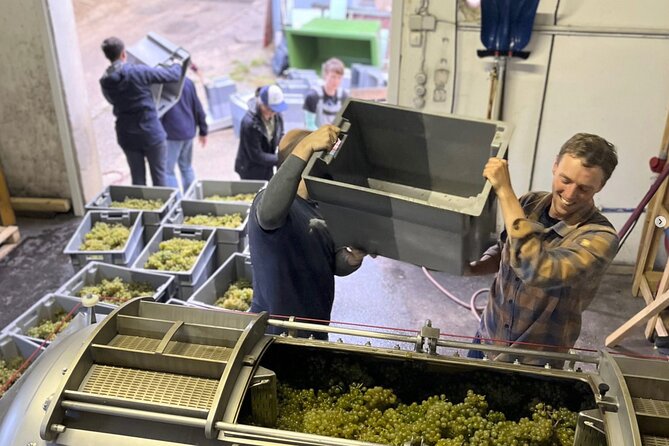
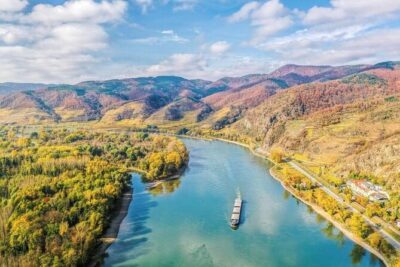
The whole point of this experience is pace. In about three hours, you get multiple winery stops without spending the entire day behind glass. The route follows the Donau River as a kind of through-line, so even when you’re in transit, you’re moving through the same wine-world geography you came to see.
The day’s structure is also smart for wine lovers who get frustrated by rushed tastings. You get roughly 2.5 hours actually tasting and talking, with around 30 minutes total driving between locations. That ratio matters, because it gives each stop room to breathe and lets your questions land.
More wine and Heuriger tours around Vienna:
- Wachau Valley Wine Tasting Bike Tour from Vienna
★ 5.0 · 829 reviews - Countryside Half Day Wine Tour near Vienna
★ 5.0 · 545 reviews - Wachau Valley Small-Group Tour and Wine Tasting from Vienna
★ 5.0 · 540 reviews
Getting from Vienna to Krems: train or boat, then meet the group
You meet in Krems, not in Vienna proper. The meeting point is Bahnhofpl. 2, 3500 Krems an der Donau, Austria, and the tour ends back there.
If you’re staying in Vienna, you have two practical options mentioned for getting to Krems:
- Take a direct train to Krems and meet at the train station.
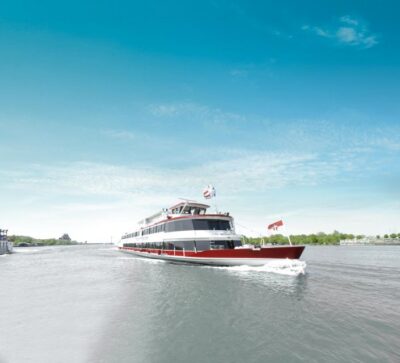
- Arrive via boat from Vienna and meet at the boat station.
If neither works with your schedule, the host says they can coordinate a meeting spot and time. For me, that flexibility is a real value, because wine days can go sideways when you’re trying to match a strict pickup.
Stop 1: Kremsleithen at Kapitel Zwei, organic French varietals in amphora
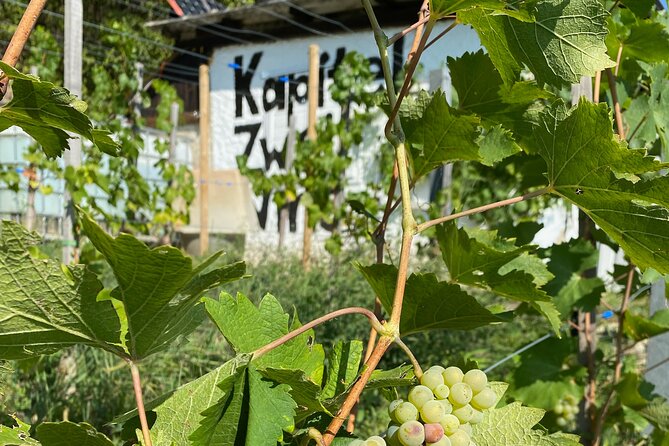
Your first winery is Kapitel Zwei in Kremsleithen. You’ll drive up from sea level about 400 meters through winding winery roads, which is a reminder you’re leaving flatter ground and heading into slope territory where vines can behave very differently.
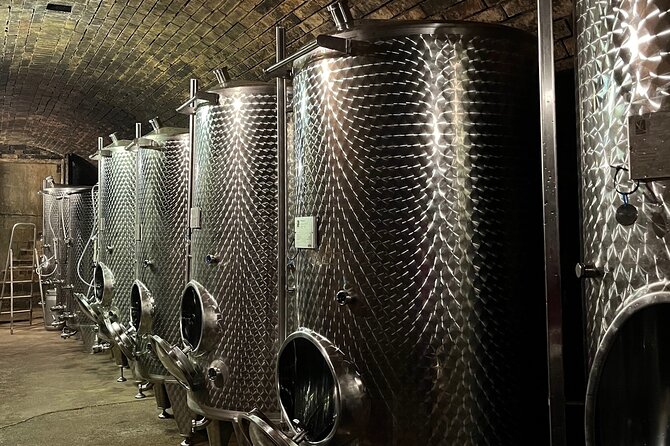
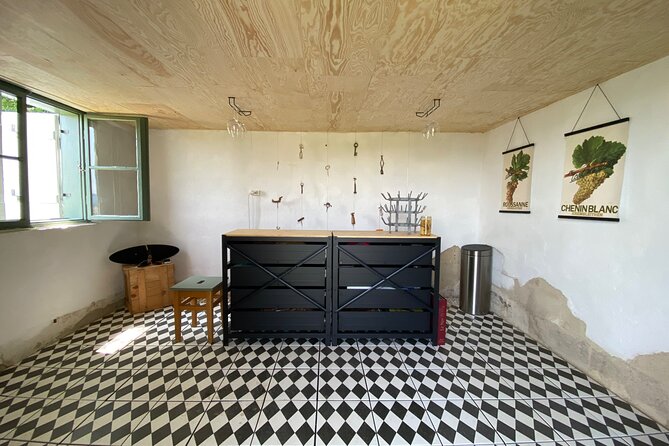
This stop is special for two reasons. First, Kapitel Zwei is a micro-winery built as an experiment with organically and sustainably grown French grape varietals in Austria. You’ll hear about grapes like Chenin Blanc, Roussanne, and Sémillon, and how they’re aged in amphora and steel tanks.
Second, the focus on single-vineyard sourcing gives the story a sharper edge. The grapes come from a single vineyard or ried called Kremsleithen. This site had been abandoned for decades and was replanted in May 2022, so the winery’s present-day choices connect directly to a very recent reset of the landscape and the vines themselves.
You also get a clear sense of what the name means. Kremsleithen comes from the steep slope, or Leiten in German, that runs down toward the river Krems. The site sits around 300 meters above sea level, with loamy, sandy soil and clay. That mix is the kind of detail that helps you understand why winemakers talk so much about place, not just grape variety.
Watch-outs at Stop 1: it’s a winery visit in a small setting, and the tour info notes you should have moderate physical fitness. If you’re sensitive about tight rooms, plan for that from the start, since small micro-wineries often keep things compact.
Stop 2: Weingut Mantlerhof, 15 hectares of organic Grüner Veltliner
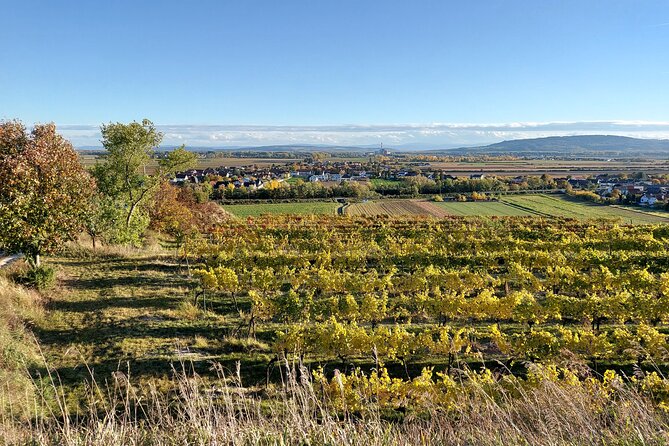
Next comes Weingut Mantlerhof, located in the municipality of Gedersdorf near the river Kamp, before it merges with the Danube. Even if you’re not tracking geography like a map nerd, the framing helps. You may see lights of Krems to the west and the towers of Grafenegg to the east as you get closer.
Mantlerhof is described as a small family-owned winery with a long timeline. The family Mantler worked the property for over 200 years, and the roots of the winemaking heritage go back to 1365. In the village center of Brunn im Felde, the setting adds charm: there’s a lovely pond, and nearby you find an old manor with an early classicist facade.
Now for the wine focus. Mantlerhof works 15 hectares of vineyards, producing long-lasting organic wines with a main emphasis on Grüner Veltliner and Roter Veltliner. This is exactly the kind of stop that makes you understand Austrian wine beyond the usual “one grape” version. When a producer sticks with a small set of varieties and works them deeply, you start hearing how style differences really show up.
Value for you here: you’ll get a practical sense of what organic viticulture looks like at a working scale. It’s not an empty brochure concept. It’s vineyards, sustained production, and a recognizable house style built over generations.
A completely different kind of day, same corner of Austria:
- Vienna: Vivaldi’s Four Seasons Concert in Karlskirche
★ 4.7 · 14,951 reviews - Vienna: Schönbrunn Palace & Gardens Skip-the-Line Tour
★ 4.7 · 7,739 reviews - Vienna: Light of Creation Votive Church Immersive Light Show
★ 4.8 · 6,779 reviews - Vienna Spanish Riding School Guided Tour
★ 4.7 · 6,765 reviews
Stop 3: Weingut Feldtheorie in Schoenberg am Kamp, science meets Kamptal
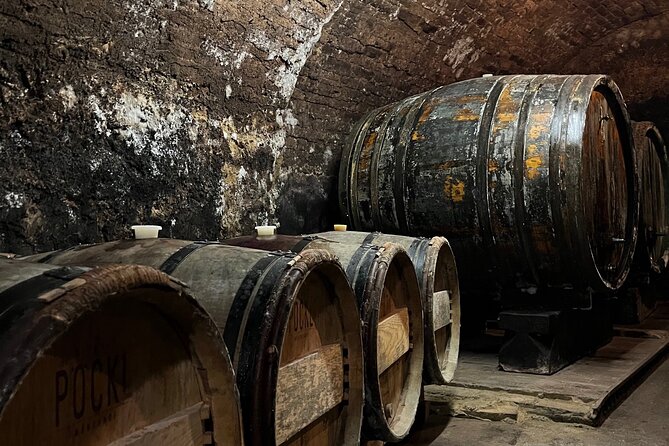
Schoenberg am Kamp is where the tour leans more personal and origin-story focused. This stop is tied to the people behind Weingut Feldtheorie: Ulrike Filp and Robert Bormuth, along with their friends and family.
The backstory matters because it explains how a winemaker thinks. During their studies of natural sciences, they discovered a love for wine on a trip to New Zealand. After finishing their studies, they did internships in Germany, Australia, and Austria before settling in Wachau.
Then they bought their own parcels of vineyards in neighboring Kamptal. The whole point, as explained for you, is to preserve and pass on the uniqueness of Kamptal through their wines, and to do it by working both in the cellar and in the vineyards.
If you like winemaking that feels like a reasoned craft instead of just tradition, this stop is likely to land. It also gives you language for what to look for when you taste later in the day: not just flavors, but choices, constraints, and intent.
Consideration: time at this stop is shorter than some others, so if you love asking lots of questions, keep them tight and targeted. The best approach is to ask how their background connects to a specific winemaking decision you can taste.
Stop 4: WeinSchach in Langenlois, Pet Nat experiments with biological methods
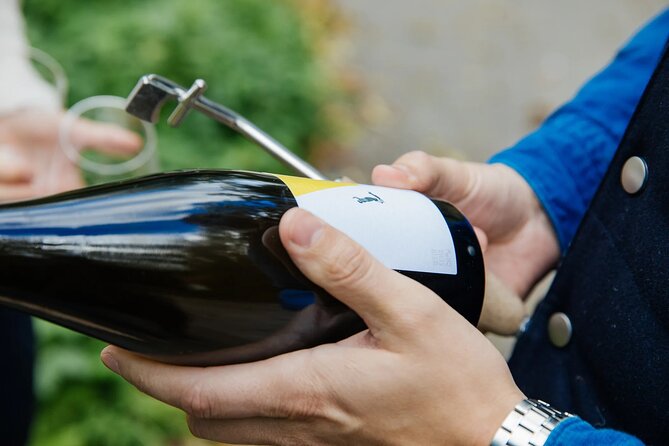
The tour’s sparkling moment arrives in Langenlois at WeinSchach. If you think you know what “sparkling” means, this is the kind of place that can reframe it.
WeinSchach starts from a simple idea: nature has everything a wine needs to be extraordinary, and wine should unfold freely in the bottle. Their goal is to treat Pet Nat on equal footing with big-name sparkling styles from around the world. That goal drives experimentation, including the willingness to reset when experiments don’t work.
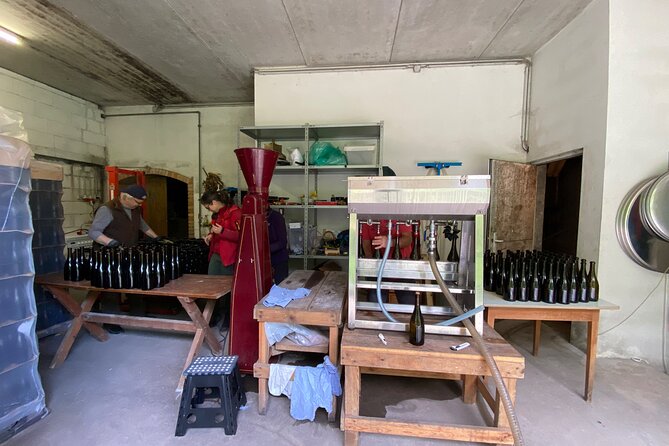
Production is described as biological, with hand harvesting and hand handling through the process, including de gorging. The stop’s emphasis is on why these steps matter for balance and aroma development, and how their small experimental mindset connects to the glass.
Why this stop is good value: Pet Nat can be a confusing category for casual drinkers, because it sits outside the most familiar sparkling routines. Here, you get to hear the logic behind the method. That makes the tasting more than a sip, it becomes a small lesson you can carry home.
Stop 5: Ausblick am Welterbesteig, the short walk that seals the day
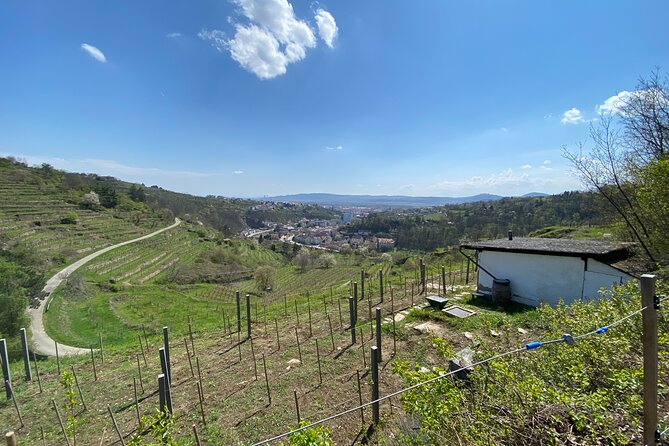
You finish with a short 7 to 10 minute walk at Ausblick am Welterbesteig. The idea is simple, you move through vineyards to a viewing point with wide views over the region.
This is not a long hike. But it is still a walk, and it’s worth treating it like part of the experience rather than a bonus add-on. The tour note says some hiking is required, and this final segment is the practical taste of it.
My tip: wear shoes you’re comfortable walking in on uneven ground. The tour also warns it’s not recommended if you can’t walk down into a cellar, so your day may include a mix of “standing, then moving, then stepping down.”
Price and timing: what $114.02 buys you in real terms
At $114.02 per person for about three hours, you’re paying for three things you rarely get together in wine tourism: time with multiple small producers, a structured route with minimal wasted transit, and tastings paired with direct explanations.
The schedule helps justify the price. You spend roughly 2.5 hours on the tour itself and about 30 minutes driving between stops. That means more of your money goes to the tasting conversations, not to empty hours.
Also, multiple stops list admission tickets as free. That means you’re not stacking extra entry fees on top, which is a common way “cheap” wine tours can turn expensive at the register.
Finally, the tour is private, meaning it’s just your group. Private does not automatically mean expensive, but in this case it tends to improve the experience because it’s easier to keep the pace human and to get answers on your questions.
Who should book this, and who should skip it
This tour is a great fit if you:
- Like small producers and hands-on winemaking stories
- Want a mix of styles, from organic still wine varietals to Pet Nat
- Enjoy questions and want explanations tied to choices like single vineyard sourcing and aging methods
- Prefer a day trip that feels focused rather than chaotic
It may not be right for you if:
- You cannot walk down into a cellar, since the tour is explicitly not recommended for that
- You get uncomfortable in small rooms, since some of the winery spaces can feel tight
- You want a mostly flat, minimal walking day, because moderate physical fitness is required and some hiking is included
One more good planning point: the tour starts during daytime hours and runs Monday through Saturday, with the host offering 12:00 PM to 7:00 PM during the listed operating period. If you have a very tight schedule in Krems, check your day against that window.
Should you book this winemaker wine tour?
Yes, if you want an intimate, wine-forward day that stays practical and personal, and you’re excited by organic methods and creative winemaking. The standout for me is how the day connects specifics you can actually taste: single vineyard sourcing at Kapitel Zwei, organic variety focus at Mantlerhof, and science-driven reasoning at Feldtheorie, then the experimental sparkle at WeinSchach.
Skip it if you need low walking and barrier-free spaces. The cellar and small-room notes are not small details for some people, and they can make or break comfort.
If you’re on the fence, the simplest rule is this: if you like learning while you taste, you’ll probably love the format.
FAQ
How long is the tour?
It is about 3 hours total.
What is the itinerary timing like?
About 2.5 hours are spent on the tour itself, with about 30 minutes driving between locations.
What language is the tour offered in?
The tour is offered in English.
Is pickup available?
Pickup is offered, and the host says they can be flexible about when and where you meet.
Where does the tour start?
The start is Bahnhofpl. 2, 3500 Krems an der Donau, Austria, and it ends back at the same meeting point.
Is this a private tour?
Yes, it is a private tour/activity, meaning only your group participates.
Is it suitable if I cannot walk down into a cellar?
No. It is not recommended for travelers who cannot walk down into a cellar.
Are service animals allowed?
Yes, service animals are allowed.
What is the cancellation policy?
You can cancel for a full refund up to 24 hours before the experience’s start time.
Recently reviewed around Vienna
- Vienna: Mozart, Beethoven, & Strauss Private Tour★ 5.0 · 4 reviews
- Vienna: Musical Tickets ROCK ME AMADEUS – THE FALCO MUSICAL★ 4.8 · 15 reviews
- Vienna: Mozart Concert with Dinner and Carriage Ride★ 4.8 · 25 reviews
- Private Melk Hallstatt, Salzburg tour from Vienna★ 4.9 · 22 reviews
- Vienna: ‘Armenia In The Heart Of Austria’ Tour★ 5.0 · 6 reviews
- Vienna: Luxury Vintage Fashion Walking Tour★ 3.4 · 8 reviews
- Vienna: Kunsthistorisches Museum Guided Tour incl. admission★ 4.9 · 32 reviews
- Vienna: Mozart Private Guided Tour★ 5.0 · 4 reviews
Wine & Heuriger Tours, side by side.
Wachau Valley Wine Tasting Bike Tour from Vienna
Read our review →
Wachau Valley Small-Group Tour and Wine Tasting from Vienna
Read our review →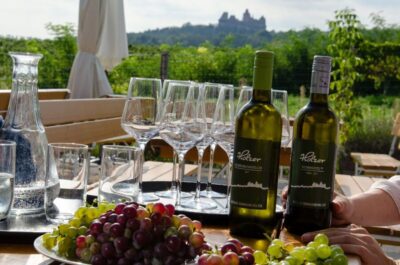
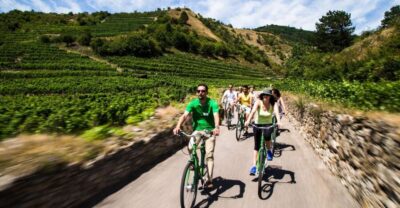
Grape Grazing: Wachau Valley Winery Biking Tour
Read our review →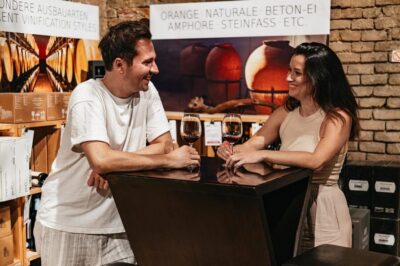
Wine Tasting Experience in a Private Wine Cellar
Read our review →
Lists this tour appears in