Appraised · PRIVATE
Semi-Private Tour: Central Europe &Balkans from Vienna to Athens
This is an interesting trip because you get Central Europe and the Balkans as one continuous road journey, with a guide steering you from old-city centers to UNESCO sights and back roads where the food is the point. I especially like the small-group feel (max 10) and the fact that hotel pickup and drop-off are handled for you. I also like the mix of big-name highlights and quieter stops tied to food, especially in Albania.
My other favorite part is how often the day ends with time to walk on your own. You’ll also get a professional tour leader and guided visits to major sites, which means you spend less time figuring things out and more time looking at the details that matter. The main drawback to consider is the overall driving pace and long days, plus only breakfasts are included, so you’ll want a realistic budget for lunch and dinner along the way.
If you read about this experience, one guide name that comes up is Sokol, and the bigger theme is consistent, calm trip management. Just remember this tour can be affected by weather and site closures, like most land-based journeys.
Key highlights to look for before you book
- Max 10 travelers for a semi-private group experience, not a bus-load crowd
- Vienna hotel pickup and end-of-trip drop-off in Athens or Igoumenitsa/Corfu
- Albanian food focus, including byrek, Albanian coffee, raki, and a cooking lesson connected to Kruja Castle
- Wine moments in Austria (Rust) and the Balkans, plus tastings tied to local production
- Castle and fortress views that are practical to enjoy because you get set walking time, not just driving-by stops
- Breakfast included (20 times), with other meals mostly on your own
Vienna to Athens, the smart way: a guided road trip that still lets you walk
I like trips where the guide does the heavy lifting, but you still get time to be curious on your own. This one covers about 21 days and connects 10 Central European and West Balkan countries, so you’re not doing a single-region “greatest hits” loop. Instead, you’re moving city to city with a consistent rhythm: drive, guided walk, then some personal time.
The semi-private setup matters. With a maximum of 10 travelers, you’re more likely to hear explanations clearly, and the pace feels more human than a full coach. You also get private transport arranged by the company, which usually means fewer surprises than stitching together buses by yourself.
One more practical win is the mobile ticket approach, plus tourist taxes handled in the package. Those small logistics add up when you’re traveling through several borders and multiple cities.
A few more days out around Vienna worth comparing
- Vienna: Private Walking Tour with a Local Guide
★ 4.6 · 1,420 reviews - Vienna: Private Walking Tour with a Guide
★ 4.7 · 962 reviews - Vienna: Wine Tasting Experience in a Private Wine Cellar
★ 4.8 · 413 reviews
Price and logistics: what you’re paying for, and what you still need to plan
The price is $7,315.17 per person for this roughly 21-day route. That sounds high at first, but you’re not just paying for sights. You’re paying for private transport, a professional tour leader, entry tickets for sites that are part of the plan, and 20 included breakfasts.
You should also read the fine print with your own spending in mind. Lunches, dinners, drinks, and snacks are not included, and neither are souvenirs or personal costs. So even if your day includes tastings and a lot of food-focused stops, you’ll still likely pay out of pocket for meals between included portions.
Another thing to plan for is the hotel style. The tour notes that pricing is calculated based on 3-stars hotel accommodation with double/twin/triple/quad occupancy. If you’re expecting luxury hotel standards every night, you may feel different from what you picture. If you’re comfortable trading “fancy” for “value and location,” this is easier to swallow.
Day-by-day flow: how the pace works from Vienna into Danube country
You start in Vienna, with hotel pickup arranged by the tour leader. The start time is 11:00 am, and the itinerary begins with you settling into the journey rather than spending the whole first day commuting. From there, the route moves toward Rust and the Lake Neusiedl area, then across to Bratislava.
This style of routing is good if you like structure. You get guided walks, then breathing room. In Vienna you’re essentially on your own before pickup, which keeps the first day from feeling overly rushed.
The Rust stop is about atmosphere and wine country views. Rust is known for its historic center and traditional Austrian architecture, and you get time to walk and then wander in the surrounding vineyard area. If you like souvenir browsing, you’ll also find small shops selling creative items made from natural materials related to wine barrels. Even if you skip buying, it’s a nice change from generic tourist stores.
Rust, Bratislava, and Győr: castles, gates, and the coffee you’ll remember
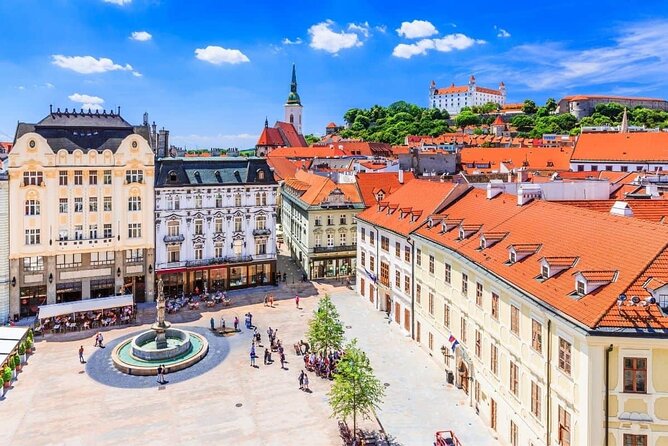
From Rust, you head to Bratislava and get a guided overview of the city along the Danube. Bratislava’s Old Town focus is practical: you’re not just staring at buildings, you’re learning what they were for and how the city developed. Michael’s Gate is a highlight because it’s the only preserved gate from the medieval fortifications.
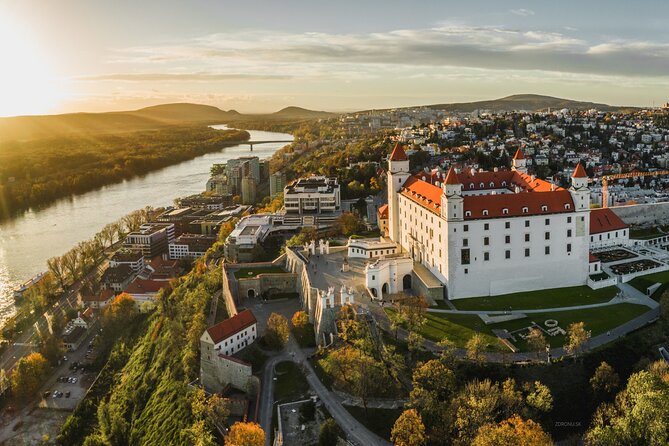
Then you get a walk up to Bratislava Castle. The value here is the built-in photo moment and the panoramic view. The castle gives you context for why the Danube matters and why people wanted control of this bend in the river.
In the afternoon, you switch gears toward daily life, including the chance to test Bratislava’s cafe culture. The tour specifically suggests trying local coffee in traditional spots. I’d treat this as your “reset” time after museums and monuments.
After Bratislava comes Győr in Hungary, described as a “city of rivers.” The main advantage of this stop is variety without overwhelm. You get baroque architecture context, a visit to the Town Hall, and time along the pedestrian-only Baross Gabor street for cafes, shops, and simple food breaks. It’s a good place to eat something Hungarian and keep your energy for Budapest.
A completely different kind of day, same corner of Austria:
- Vienna: Vivaldi’s Four Seasons Concert in Karlskirche
★ 4.7 · 14,951 reviews - Vienna: Schönbrunn Palace & Gardens Skip-the-Line Tour
★ 4.7 · 7,739 reviews - Vienna: Light of Creation Votive Church Immersive Light Show
★ 4.8 · 6,779 reviews - Vienna Spanish Riding School Guided Tour
★ 4.7 · 6,765 reviews
Budapest with real walking time: Basilica stop, big views, and a free evening
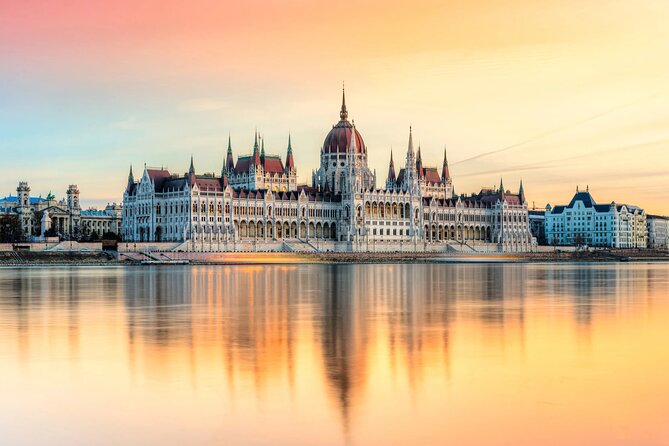
Budapest is one of those cities where half the fun is just walking between viewpoints. The tour organizes it well by splitting key sights and then giving you time in the evening. You’ll pass St. Stephen’s Basilica with an included ticket, which is an easy “must-see” even if you’re not a church person.
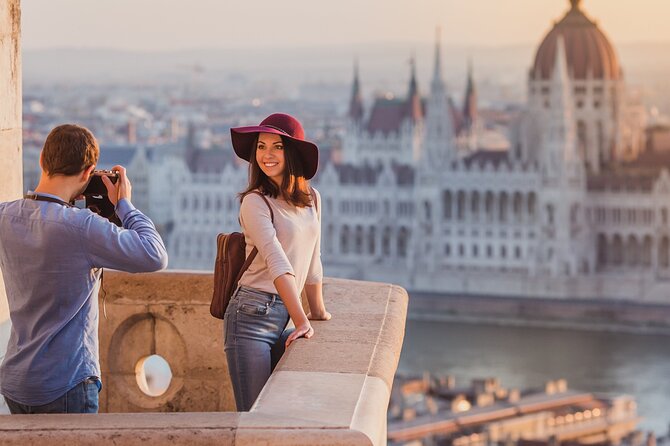
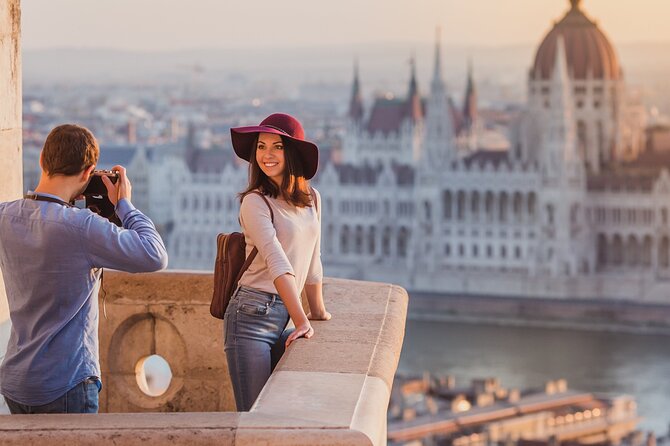
Later you stroll along major landmarks, with the plan including bridges, Heroes’ Square, and the Fisherman’s Bastion viewpoint. The itinerary also includes time connected to Buda Castle, which is where Budapest starts to feel like a layered story rather than a list of buildings.
Then comes the best kind of free time: a genuine evening stretch to explore on your own. Budapest at night is a lot of people’s favorite part of the trip, and having space to walk and choose your own pace makes it work better. If you want dinner without stress, this is when you should pick a spot close to where you are staying.
Serbia’s Danube trail: Subotica, Novi Sad, and Sremski Karlovci wine culture
Once you cross into Serbia, the trip leans into cities shaped by empires. Subotica is presented as a multicultural place with Austro-Hungarian influenced architecture and a center that feels different from cities dominated by one big cathedral. You’ll visit the City Hall (Gradska kuca) and then have time to explore side areas such as the Cathedral of St. Teresa of Avila and the synagogue.
Subotica is also framed as a place for slow pacing, good food, and wine. This is exactly the kind of stop that helps you keep your interest up when the overall trip is long. The walking is light enough to enjoy the feel of the streets, but guided enough that you get the “why” behind the buildings.
Next is Novi Sad, with a focus on its history at the border between major empires. The centerpiece visit is Petrovaradin Fortress, also known as the Gibraltar on the Danube. If you like big viewpoints, this is where you’ll get one without needing to hike for hours.
The fortress stop also works well for photos and people-watching, because the surroundings naturally create “pause moments.” You get time to explore pedestrian streets and then free time after the guided portion, which is a big deal on multi-country trips.
Then comes Sremski Karlovci, a wine-production center with a “museum town” vibe. The itinerary mentions the tradition and the cellars, plus a local legend about the Four Lions fountain tied to returning and getting married. Even if you take the legend lightly, the fountain detail is a fun way to connect place with story rather than just tasting wine and moving on.
Belgrade to Sarajevo to Mostar: fortresses, scars, and market energy with context
Belgrade starts with the Belgrade Fortress and Kalemegdan Park, with the view emphasized as a payoff. The tour also includes the Pobednik monument and a walk along Knez Mihailova toward Republic Square. This section is valuable because it gives you a structured walk through what you’d otherwise experience as a blur of traffic and buildings.
Then the route moves toward Zvornik in Bosnia and Herzegovina, where you get a lighter, optional-feeling lunch stop. The practical value here is time to eat and reset, since later days are more emotionally intense.
Sarajevo is the kind of city you visit with care. The tour notes the presence of Yugoslav War reminders like bullet holes and cannon marks. You also cover the mix of Ottoman and Austria-Hungarian influences, including markets and places of worship. You’re also walking on uneven terrain and seeing ruins, so comfortable shoes matter.
A standout here is Latin Bridge, connected to the story of how WWI was triggered. The tour frames the bridge’s name and location history, which makes the site more than a landmark you pass by.
Then it’s Mostar, with the Old Bridge (Stari Most) as the UNESCO-linked centerpiece. The tour also points out the Old Bazaar, with narrow lanes and lively atmosphere. Mostar’s “old with new” feel is built into the walking plan, and the added “Don’t Forget” markers help you understand the city’s layered past as you move through it.
Montenegro’s old towns: Kotor’s maze streets and Budva’s split personality
In Kotor, the tour focuses on the medieval old town approach: narrow, cobblestone streets that may feel chaotic at first, but were planned that way for defense. The guide also visits Saint Luke’s church, singled out as meaningful for local unity. I like this kind of detail because it explains why locals care about a church beyond its architecture.
You also get a chunk of afternoon time to explore on your own. That matters because Kotor is best when you can pause, wander, and choose your own corners to photograph.
Then you move to Budva, which is described as split between old and new parts. The tour includes a visit to the historical center and churches such as St. Ivan and St. Mary. It’s a helpful contrast to Kotor, because Budva feels more resort-shaped while still holding onto a medieval core.
On the way toward Albania, there’s a stop near the viewpoint of Sveti Stefan. The tour notes the island is now an exclusive residential resort, so you’re seeing it from the outside rather than touring it. Still, it’s a strong photo stop because the shape of the coast makes the views obvious.
Albania from the north: Shkoder, agrotourism at Mrizi i Zanave, and Prizren’s mosques and fortress views
You cross into Shkoder, in northwestern Albania near Lake Shkodra. The tour includes visiting Rozafa castle, with scenery over the lake and the three rivers meeting toward the Adriatic. Shkoder is described as one of the oldest inhabited areas, and this stop gives you the best kind of history lesson, one you understand through the geography.
Then comes a major value day for food lovers: Mrizi i Zanave – Restorant Agroturizëm. This is framed as slow food agro-tourism in the Balkans, and the plan includes a farm tour. You learn how the farm collects, elaborates, and preserves regional organic products, plus how it adapted old communist buildings to storage for those goods. The practical takeaway for you is simple: you’re not just tasting, you’re seeing the production system.
You get free time to enjoy a traditional lunch there or buy fresh produce. That’s one of those moments on long trips when it feels like you’re paying for an experience, not just checking a box.
Next is Prizren, described as Kosovo’s cultural capital. The tour emphasizes religious tolerance and a mix of architecture. You visit the Sinan Pasha Mosque, known for arabesque color and pattern, and then head to Kalaja Fortress for panoramic views over town.
Prizren also gets a stronger “walk and graze” feel. The plan includes free afternoon time, which is where you can hunt for lunch and slow down.
Gjakova, Decan, Rahovec: bazaar crafts, monastery frescoes, and wine country timing
Gjakova is centered on the bazaar, described as the oldest and largest in Kosovo. The tour also notes the bazaar was destroyed and rebuilt through multiple conflicts, so you’re visiting a place that carries resilience. This makes the shopping and eating stops feel more grounded.
Then you go to the Monastery of Decan. You’ll hear why it’s UNESCO-linked, including frescoes depicting 14th-century life. The tour also notes monks still inhabit the monastery and make fresh organic food like cheeses. Even if you don’t buy anything, that “still living” angle helps you see the monastery as part of the present, not a stage set.
After that comes Rahovec, described as the capital of viticulture in the Prizren region. The plan highlights the altitude range for vineyards and mentions evidence of grape cultivation stretching back thousands of years. There’s also an annual September wine festival, which is useful if your travel dates happen to overlap.
Kruje’s medieval bazaar and castle cooking lesson: where the Albanian trip gets personal
If you’re coming for Albania food and drink, this is the part you should mark in your mind. You head to Kruje, a symbol of Albanian resistance against Ottoman expansion. The town’s position on rocky, mountainous terrain makes the old-world feel immediate.
You’ll walk through the Medieval Old Bazaar, with narrow streets and wooden houses. The tour flags it as one of the biggest and oldest bazaars in the Balkans, and it’s positioned as the place to shop for souvenirs, from carpets to handmade crafts and jewelry.
Then you visit Kruja Castle, with a guided walk including hidden paths used historically to escape during sieges. That detail makes the visit feel specific and not generic.
And yes, the tour includes a cooking lesson at Kruja Castle. This is the kind of experience that tends to be memorable because you do more than watch. You taste what you learned, and you get a sense of technique and flavors tied to local life, including the broader focus on Albanian staples like olive oil and raki noted in the tour description.
You also get free time for lunch and souvenir shopping. If you’re the type who likes to buy something small but meaningful, Kruje is the best place on the trip to do it without rushing.
Tirana on your feet: byrek breakfast, Albanian coffee, raki, Qofte, and Bunk’Art 2
The Tirana day is one of the most practical for culture through food. You start with a local companion and focus on culinary treasures. The tour includes trying byrek at a small local place, described as one locals know how to find, then moving to Çam bazaar for goods and bargaining.
After that, the plan is about skipping tourist traps. With your companion, you explore favorite local neighborhoods, taste a traditional dessert, and learn coffee culture at a cozy café. The tour specifically calls out tasting Albanian coffee, which is a simple but telling way to understand daily life rather than only visiting monuments.
You also hit places that feel “used,” not staged. The Bicycle bazaar is described as selling everything from second-hand clothes to second-hand furniture. Then comes the New Bazaar, where you’ll try lunch featuring Qofte with freshly baked bread. Vegetarians get an option with freshly baked bread and Gjize (cottage cheese).
To finish, you taste Albanian raki. The tour frames it as an official part of the experience, not a random add-on. Then you visit BUNK’ART 2, described as a nuclear bunker turned museum that was hidden until 2014 and includes video exhibitions about daily life during Enver Hoxha’s communist rule.
This is a heavy museum, but it fits the food-forward theme because it gives you a “how we got here” layer to go with the meals and markets.
North Macedonia and Albania nature breaks: Ohrid, St Naum, and Drilon’s calm water
After Albania, you drive into North Macedonia with Struga as the first stop. The tour keeps this light, with a quick drink by the Drini River source. It’s a gentle reset before the UNESCO moment at Ohrid.
Ohrid is framed as one of the oldest human settlements in Europe, and the lake plus its surroundings are UNESCO World Heritage. You visit the Church of St. John viewpoint, St. Nicolas, and Halveti Hayati Tekke mosque. The tour notes Ohrid’s Orthodox significance, including the claim of 365 Orthodox churches.
Then you continue to St Naum, where you’ll see the monastery at the source of the Crni Drim River. The tour describes the crystal-clear water reflecting greenery and mountain peaks, and it places the site within a national park with protected status. This is the day where I’d slow down mentally and stop treating each place as a checklist.
Before heading back into Albania, you also visit Tushemisht and then Drilon National Park. The park is described as weeping willows by a small lake of Drilon waters, which is exactly the kind of scenery break that keeps your legs from feeling wasted after lots of walking days.
Berat’s stacked windows and Gjirokaster’s stone houses: UNESCO cities with strong atmosphere
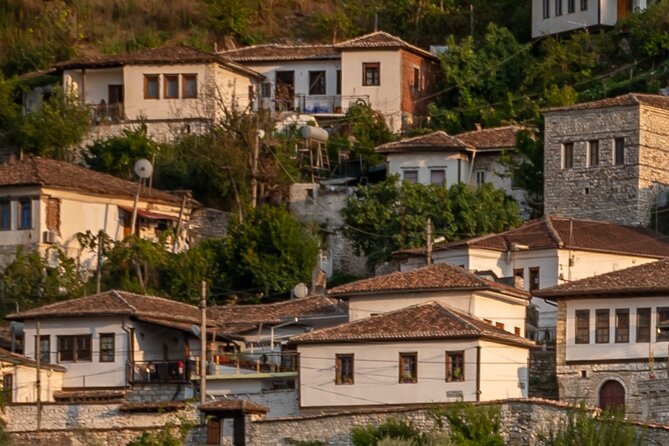
Berat is called the town of 1001 windows, and the walking focus is on the medieval old houses with windows that seem to stack above each other. The tour also notes that residents still live inside the castle walls, which matters because it’s not a “dead” historic site. You also see a medieval castle, ancient churches and mosques, and a lively lower town.
Then comes Gjirokaster, also UNESCO-linked and known as the Stone City. The tour emphasizes that each house can feel like a small fortress. You visit the castle area and then walk through the medieval bazaar, with handmade craft shops.
A key stop is Skenduli House, described as one of the best-preserved original houses in Gjirokaster, with an included ticket. This is a good “how people really lived” moment, especially after you’ve already walked through streets and seen the fortress-like design from the outside.
Greece finish: Ioannina castle lanes and Meteora sunset views
On the final run toward Greece, you stop in Ioannina, with its Byzantine and Ottoman traces visible in architecture. The tour includes exploring the old town’s cobbled streets and visiting Ioannina Castle, which has narrow lanes and historic buildings. You can also stop for coffee or traditional Greek food in the castle area, since the tour frames the area with cafes.
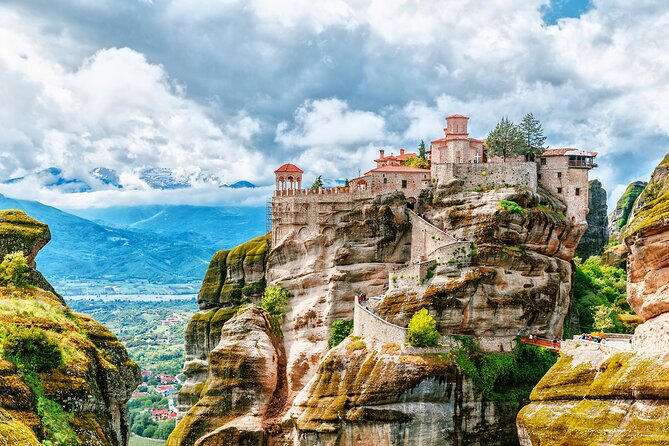
Then you head to Meteora, UNESCO-linked, where monasteries sit on rock formations and were built in the 14th and 15th centuries. The itinerary emphasizes the payoff: watching the formations and monasteries during sunset. Meteora works especially well at this time of day because the light makes the rocks and stone buildings feel three-dimensional rather than flat.
On the final day, you finish in Athens with hotel drop-off, or you may be dropped at Igoumenitsa Port for a ferry to Corfu port with tickets included. The tour company’s included details cover both options, so it’s worth checking which one applies to your dates.
Who should book this tour, and who might want to choose another style
This tour is a great match if you want guided context plus walk time in lots of places, and you don’t want to plan intercity logistics on your own. It’s especially good if you care about food culture in Albania, because you get hands-on experiences like a cooking lesson connected to Kruje and multiple stops built around tasting.
It’s also a good choice if you like mixing major landmarks with smaller town details, like bazaars, fortress viewpoints, monastery frescoes, and wine-related stops. The structure keeps you moving, but there’s usually enough free time to keep the trip from feeling like nonstop marching.
You might want a different option if you prefer slower travel with fewer long driving days. You also need to accept that only breakfasts are included, and you’ll be paying for many meals yourself.
Quick verdict: should you book Vienna to Athens with this semi-private company?
I think it’s worth considering if you want one guided road trip that links Vienna to Athens while giving you real cultural time in the middle, especially the Albanian food and drink focus around Tirana, Kruje, and the farm and wine stops. The price includes a lot of logistics, and the semi-private group size keeps the experience from feeling like a drive-by parade.
Before you commit, be honest about two things: you’re buying comfort with private transport and guided visits, but meals beyond breakfast are on you, and the journey is long. If that fits your travel style, this is the kind of trip that sticks, because the tastes and viewpoints keep happening in the same day, not just once per week.
FAQ
How long is the tour from Vienna to Athens?
It lasts about 21 days.
What is the group size?
The tour has a maximum of 10 travelers.
Do I get hotel pickup in Vienna?
Yes. Pickup is offered, and the tour leader picks you up in Vienna from your hotel.
Are entrance tickets included?
Yes, entry tickets for the sites that will be visited are included. Some specific site tickets are also marked as included in the schedule.
How many breakfasts are included?
The tour includes breakfast (20).
Are lunch, dinner, and drinks included?
No. Lunches, dinners, drinks, and snacks are not included.
What kind of fitness level do I need?
You should have a moderate physical fitness level, since some walking includes uneven terrain.
Where does the tour end?
It ends in a different location depending on your plan: either drop-off in Athens, or port drop-off in Igoumenitsa with ferry tickets to Corfu port included.
Is tipping required?
Tips are not a must. The tour recommends tipping the tour leader/driver as an international practice for good service.
Are there any changes or refunds if I cancel?
The experience is described as non-refundable and cannot be changed for any reason.
Recently reviewed around Vienna
- Vienna: Mozart, Beethoven, & Strauss Private Tour★ 5.0 · 4 reviews
- Vienna: Musical Tickets ROCK ME AMADEUS – THE FALCO MUSICAL★ 4.8 · 15 reviews
- Vienna: Mozart Concert with Dinner and Carriage Ride★ 4.8 · 25 reviews
- Private Melk Hallstatt, Salzburg tour from Vienna★ 4.9 · 22 reviews
- Vienna: ‘Armenia In The Heart Of Austria’ Tour★ 5.0 · 6 reviews
- Vienna: Luxury Vintage Fashion Walking Tour★ 3.4 · 8 reviews
- Vienna: Kunsthistorisches Museum Guided Tour incl. admission★ 4.9 · 32 reviews
- Vienna: Mozart Private Guided Tour★ 5.0 · 4 reviews
Private, side by side.
Wine Tasting Experience in a Private Wine Cellar
Read our review →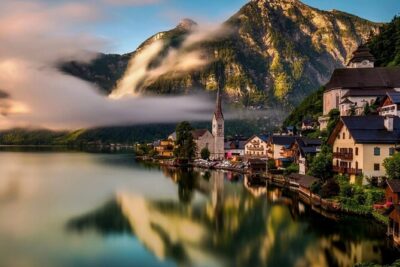
Private Day Tour Trip Salzburg Hallstatt and Melk from Vienna
Read our review →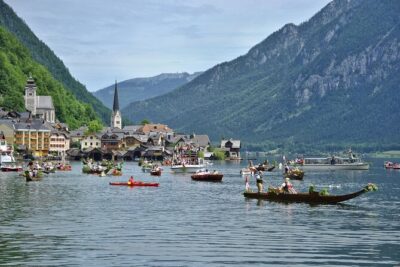
Private Day Tour of Hallstatt and Salzburg from Vienna
Read our review →
Private Hidden Vienna Walk — Stories Behind Quiet Corners
Read our review →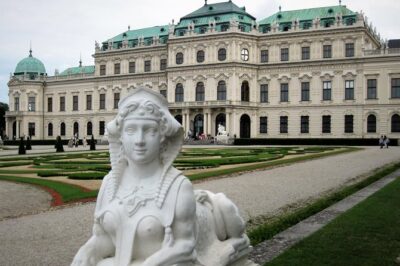
Vienna at First Glance a Private Walking Tour for First Timers
Read our review →