
Appraised · CLASSICAL CONCERTS
Best of Mozart & Strauss
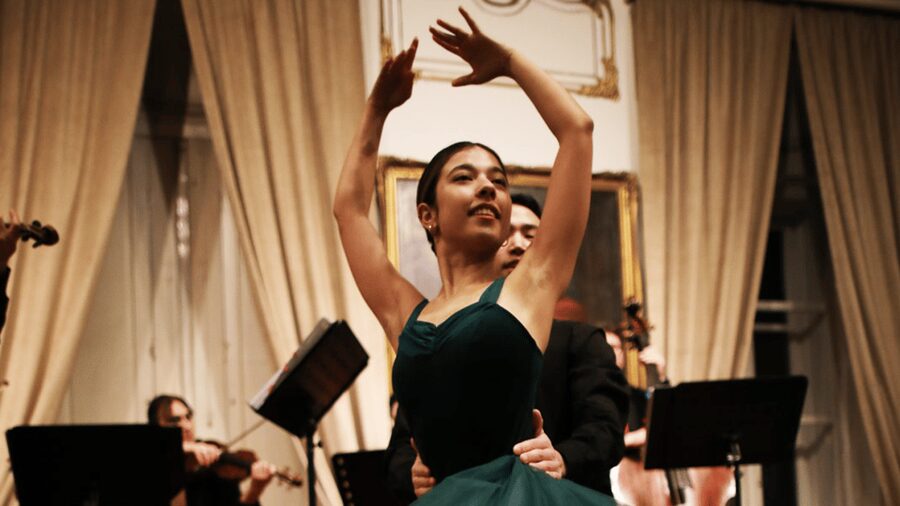
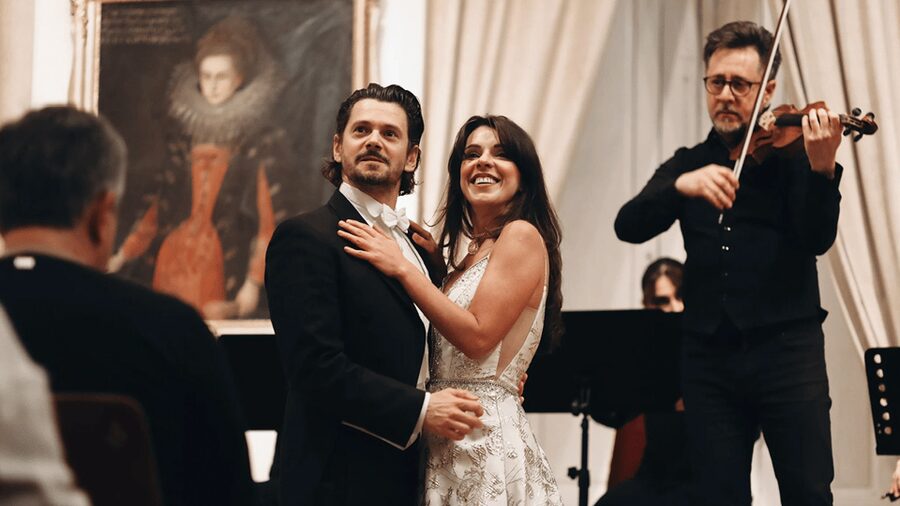
This Mozart and Strauss concert is interesting because it does not treat music like background noise. You get Mozart and Strauss hits plus live performers including ballet, in an evening built for big melodies and clear momentum.
I love how the show brings in ballet dancers from major Vienna institutions, so the program feels like a full stage event, not just a sit-and-listen concert. I also like the emphasis on an exceptional concertmaster leading a top chamber orchestra, which shows up fast when the playing is tight and the phrasing feels alive.
One consideration: the venue can vary during the late-December dates, and timing can be confusing if your confirmation does not match your arrival plan. Double-check your assigned time and where you are meant to meet.
Key highlights to look for
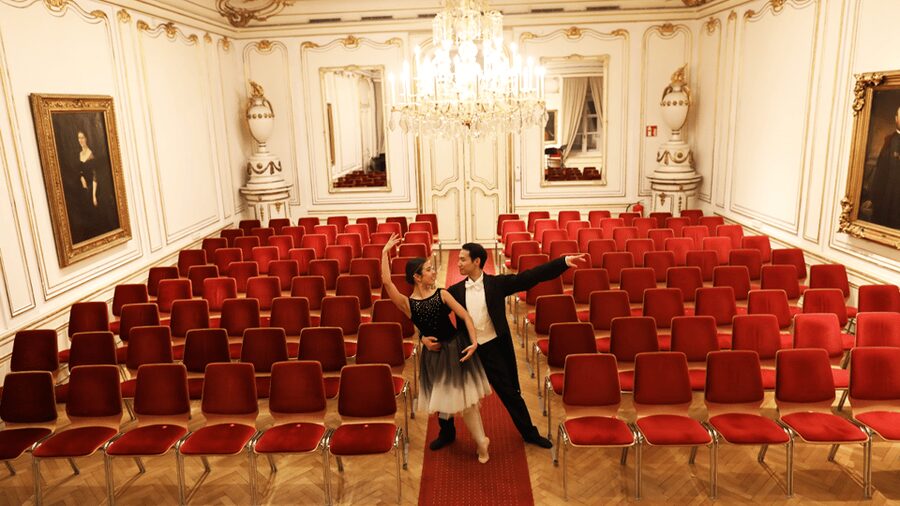
- Ballet dancers from the State Opera and Volksoper add physical storytelling to the classics
- International-stage singers round out the cast beyond a purely instrumental program
- A top-tier chamber orchestra led by a standout concertmaster keeps the sound close and precise
- The “greatest hits” program in 80 minutes: Eine kleine Nachtmusik, Rondo alla Turca, Kaiserwalzer, The Blue Danube, Radetzky March
- Audience rhythmic applause during Radetzky March makes you part of the finale
- English and German host or greeter means you can ask questions if anything feels unclear
Mozart and Strauss live in Vienna, built for your evening
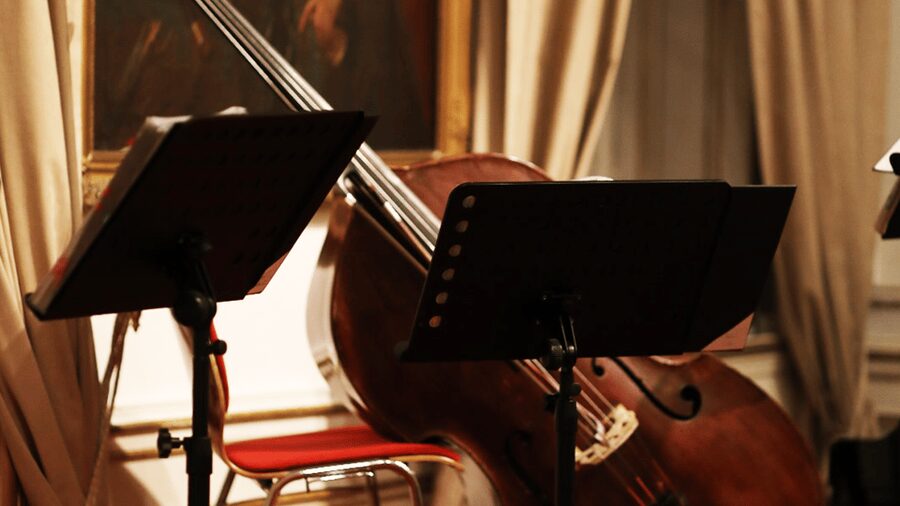
This is one of those Vienna nights where the city’s musical reputation feels practical. You are not hunting down obscure recordings or decoding concert etiquette for hours. You show up, take your seat, and in a little over an hour you get a curated run of pieces that many people already recognize by ear.
The structure matters. An 80-minute concert is long enough to feel like a real performance, but short enough that it fits neatly after dinner. And because the program includes both orchestra and ballet, the pacing stays visual as well as musical.
If you like classical music but do not want a marathon, this style of show is a good fit. It is also a smart choice if your schedule is tight, because starting time is consistent at 8:15 pm.
More classical concerts in Vienna:
- Vienna: Vivaldi’s Four Seasons Concert in Karlskirche
★ 4.7 · 14,951 reviews - Vienna: Classical Concert in the World-Famous Musikverein
★ 4.6 · 6,673 reviews - Vienna: Classic Ensemble Vienna in St. Peter’s Church Ticket
★ 4.7 · 4,819 reviews
Where you will sit: Palais Palffy vs Ehrbar Saal
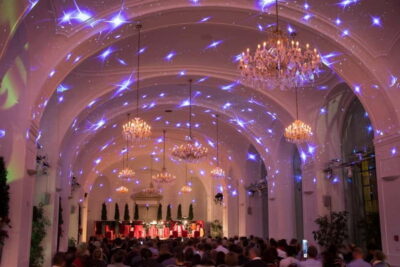
The concert usually happens at Palais Palffy in Vienna’s historic core, at A-1010 Vienna. That matters, because the venue alone sets a tone: you get the feeling of a proper evening in a historic setting, right when Vienna turns cinematic at night.
There is a schedule swap for late December. From Dec. 25th to 30th, 2025, the performance runs daily at 8:15 pm at Ehrbar Saal, Mühlgasse 30, A-1040 Vienna.
What this means for you:
- If you are traveling around Dec. 25-30, confirm your venue so you do not waste time crossing town.
- If you care about sightlines for ballet, arrive early enough to choose seats without stress.
One thing to be aware of: the meeting point can vary depending on the option booked. The venue address tells you where the show happens, but your exact check-in spot can differ. When you get your confirmation, treat it as the source of truth for where to go first.
The music program, from small Mozart sparks to big Strauss finales
The headline promise is clear: you hear Mozart’s energy and Strauss’s pop-waltz joy, with a ballet element that keeps things moving. The piece list gives you a very “Vienna greatest hits” feeling, which is exactly why people fall for this kind of concert.
Here is what to expect, in the order that the program highlights suggest as the core arc of the night.
Mozart: Eine kleine Nachtmusik and Rondo alla Turca
The concert opens you up with Mozart’s Eine kleine Nachtmusik. Even if you have heard it only in passing, the opening momentum is unmistakable. Mozart in this mode is bright and rhythmic, with the kind of clarity that works well in a chamber-orchestra setting.
Then comes Rondo alla Turca. This movement is famous for its bold, rhythmic character and the way it turns a theme into something you can practically hum. In a live performance, it tends to feel more physical than people expect, and that lines up well with choreography.
A completely different kind of day, same corner of Austria:
- Vienna: Schönbrunn Palace & Gardens Skip-the-Line Tour
★ 4.7 · 7,739 reviews - Vienna: Light of Creation Votive Church Immersive Light Show
★ 4.8 · 6,779 reviews - Vienna Spanish Riding School Guided Tour
★ 4.7 · 6,765 reviews - Vienna: Skip-the-Line Sisi Museum, Hofburg and Gardens Tour
★ 4.8 · 5,918 reviews
Strauss: Kaiserwalzer and The Blue Danube
Next, the evening shifts gears into Strauss territory. Kaiserwalzer brings that grand waltz feeling, with sweeping phrasing that naturally “wants” to be danced to. If you have ever felt that the best part of Strauss is how the melody moves, this is where you will feel it.
Then The Blue Danube shows up as an unforgettable melody. This one is so recognizable that it can actually work like a reset button. You stop listening for what is coming next and start enjoying how the orchestra shapes the lines in real time.
The ending: Radetzky March with rhythmic applause
The finale is Radetzky March, and the key feature is audience participation through rhythmic applause. This is one of those moments where you do not have to know anything technical. You just follow the timing cues and clap when it is called for.
The upside: it turns a classical concert into a shared celebration. The downside: if you prefer a silent, museum-style listening environment, the applause style may feel a bit rowdy. For most people, though, it is the best part of the night because it makes the ending loud, communal, and fun.
Why the concertmaster makes this more than a standard concert
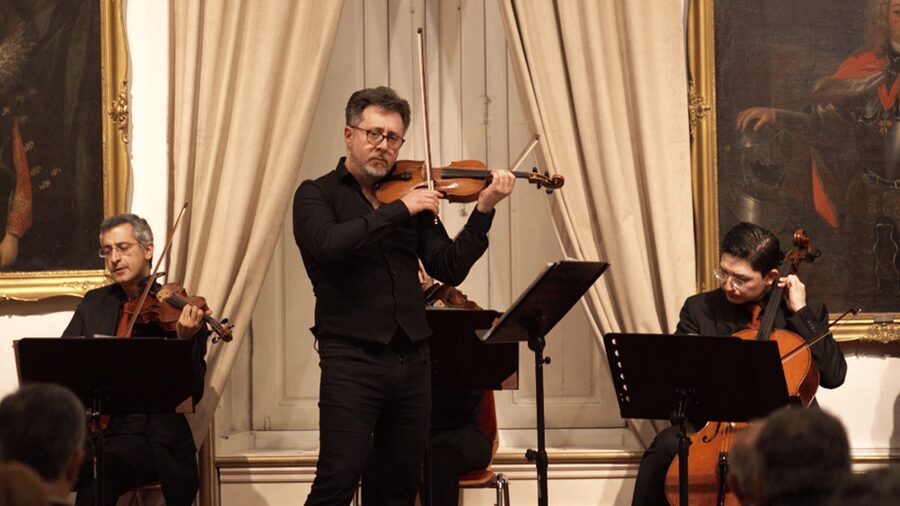
The highlights stress the concertmaster as exceptional, and the reviews back up that this is not just marketing language. When the concertmaster and solo leadership are strong, you hear it immediately in how the group locks together, how bow strokes align, and how clearly the melody emerges from within the ensemble.
In a chamber-orchestra format, leadership matters even more. You are not in a huge hall where sound blurs into atmosphere. You hear details. That is why people praising skilled musicians often point to the violin leader, not just the orchestra overall.
For your experience, this means:
- Mozart passages tend to feel cleaner and more articulated.
- Strauss waltz phrasing feels more “in motion,” not flattened.
- The transitions feel intentional, which keeps your attention from wandering during an 80-minute program.
If you have ever sat in a concert where everything sounded fine but nothing felt connected, this is the opposite. A strong concertmaster helps everything sound like one idea.
Ballet in a classical concert: what it adds, and what to expect
The show includes ballet dancers from the State Opera and Volksoper, and the program is described as accompanied by ballet. That tells you the staging is part of the structure, not an afterthought.
Ballet can do two things for you:
- It gives your eyes something to track, which helps if you are not used to watching orchestral concerts.
- It reinforces the rhythm. Waltzes read differently when you see bodies marking the beat.
In other words, this is not just a performance where dancers appear. The pieces on the program already have dance-friendly character, especially Strauss and the more percussive, rhythmic Mozart sections.
What to consider: ballet adds visual movement, so your best seat is the one where you can see both the stage action and the orchestra. If you end up in a position where you only see one side well, you may feel a bit less of the full effect. Arriving early to pick seats can help.
Singers in the mix, and how to enjoy the vocal moments
The concert includes singers from international stages. The provided piece list is heavily instrumental, so the exact vocal moments are not spelled out, but you should expect at least some vocal elements within the evening.
How to enjoy that as a first-time Mozart and Strauss listener:
- Let the familiar melodies guide you. Even if you do not catch every lyric, you will recognize when a theme returns.
- Listen for the way singers interact with the orchestra. When the cast is strong, vocals blend into the musical line rather than sitting on top of it.
If you primarily came for the orchestra and dance, you still get your “main course.” The singers are part of the overall package, not the only reason to come.
Timing and arrival tips, based on real booking quirks
The show starts at 8:15 pm and runs 80 minutes. That is straightforward. What is not always straightforward is how your specific ticket maps to seating and entry timing.
One booking experience flagged a mismatch about which time they were assigned. The person arrived early, was placed, then had to leave and return later at 20:15. That is not something you should plan for, but it is worth learning from.
My practical advice:
- Check your confirmation carefully for your assigned arrival window.
- Aim to arrive early enough that you are not rushing, but do not arrive so early that you are stuck guessing how seating works.
- If you are unsure, use the fact that there is an English and German host or greeter. Ask a simple question early, before you get confused.
Vienna evenings reward calm. Classical concerts are better when you arrive with your head clear.
Price and value: what $69 includes, and what you get for the money
The price is $69 per person, and the concert entry ticket is included. For me, that is the clearest part of the value equation. You are paying for a full evening performance, not piecing together entry fees, add-ons, or upgrades.
At this price point, the best value comes from what is combined:
- A chamber orchestra format you can hear clearly
- A program centered on major Mozart and Strauss favorites
- Ballet dancers as part of the stage experience
- A cast that includes singers from international stages
In other words, you are not buying a lecture. You are buying a complete night of music and performance.
If you are doing a Vienna “greatest hits” itinerary, this slot also helps you pace your trip. You can focus your energy on one strong evening rather than spreading your concert time thin across multiple events.
Who should book this concert in Vienna
This experience is a strong match if you want:
- A classic Vienna music night with recognizable melodies
- Ballet included without needing a separate dance venue
- An 80-minute concert that fits into an evening schedule
- A clear, manageable plan for 8:15 pm
It is also a good pick for couples and friends who want something cultural but still lively. The rhythmic applause at the end makes it feel like a shared celebration, not a quiet lecture.
Families should note one detail: it is not suitable for children under 4 years. If you are traveling with toddlers or very young kids, you will likely need a different kind of program.
And for accessibility, it is wheelchair accessible, which helps if you need step-free entry and accommodating seating.
Should you book this Mozart and Strauss concert?
Yes, if you want a Vienna evening that is easy to understand and fun to watch. The program choices are intentionally familiar, and the inclusion of ballet plus a strong concertmaster focus makes it more engaging than a typical “background classics” concert.
I would book it especially if:
- You have limited time in Vienna and want one high-impact performance.
- You care about hearing a chamber orchestra with clarity.
- You like the idea of a finale where the audience participates in the rhythm.
Hold off or ask extra questions before booking if:
- You are extremely sensitive to applause or audience noise.
- Your travel schedule is tight enough that you might cut it close on arrival, given the occasional timing confusion seen in booking experiences.
- Your trip dates fall in Dec. 25-30 and you need to be sure you are going to the correct venue that week.
If you want one dependable, music-and-movement night in Vienna, this is a very good bet.
FAQ
How long is the Best of Mozart & Strauss concert?
The concert lasts 80 minutes.
What time does the performance start?
The performances start at 8:15 pm.
Where does the concert usually take place?
It is held at Palais Palffy in A-1010 Vienna.
What about Dec. 25th to 30th, 2025?
From Dec. 25th to 30th, 2025, the concert takes place daily at 8:15 pm at Ehrbar Saal, Mühlgasse 30, A-1040 Vienna.
Is the concert ticket included in the price?
Yes, concert entry tickets are included.
What languages will the host or greeter use?
The host or greeter speaks English and German.
Is the experience wheelchair accessible?
Yes, it is wheelchair accessible.
Can children attend?
It is not suitable for children under 4 years.
Recently reviewed around Vienna
- Vienna: Mozart, Beethoven, & Strauss Private Tour★ 5.0 · 4 reviews
- Vienna: Musical Tickets ROCK ME AMADEUS – THE FALCO MUSICAL★ 4.8 · 15 reviews
- Vienna: Mozart Concert with Dinner and Carriage Ride★ 4.8 · 25 reviews
- Private Melk Hallstatt, Salzburg tour from Vienna★ 4.9 · 22 reviews
- Vienna: ‘Armenia In The Heart Of Austria’ Tour★ 5.0 · 6 reviews
- Vienna: Luxury Vintage Fashion Walking Tour★ 3.4 · 8 reviews
- Vienna: Kunsthistorisches Museum Guided Tour incl. admission★ 4.9 · 32 reviews
- Vienna: Mozart Private Guided Tour★ 5.0 · 4 reviews
Classical Concerts, side by side.
Vivaldi’s Four Seasons Concert in Karlskirche
Read our review →
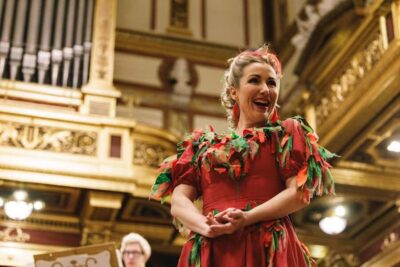
Classical Concert in the World-Famous Musikverein
Read our review →
Classic Ensemble Vienna in St. Peter’s Church Ticket
Read our review →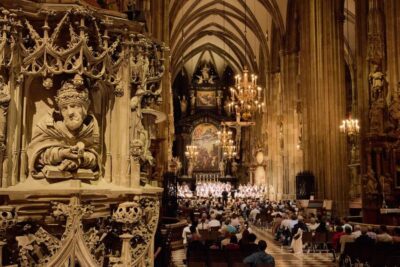
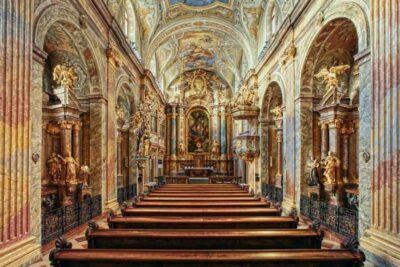
Classical Concert in St. Anne’s Church (Annakirche)
Read our review →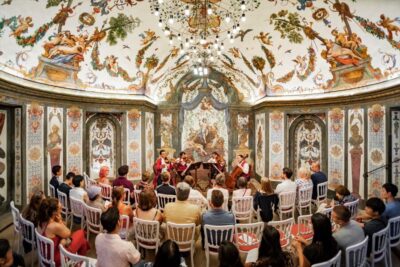
Lists this tour appears in