Appraised · TICKETS
Stadttempel Admission Ticket with a guided tour
Seeing Vienna’s Stadttempel from the inside, with people tied to the city’s Jewish community, is what makes this tour feel real. I like that you get skip-the-line entry, so your visit starts with the big interior details, not standing around. And I really appreciate how the guide ties together what you see in the building with what it meant through time, from 1826 to today.
The main thing to consider is the pace. This is built as a tight one-hour visit starting around 10:00 am, so late arrivals can cost you part of the story. Also, while things usually run smoothly, one past booking had a cancellation with no clear contact, so it’s smart to double-check the day-of message in your confirmation email.
Key things that make this Stadttempel tour worth your time
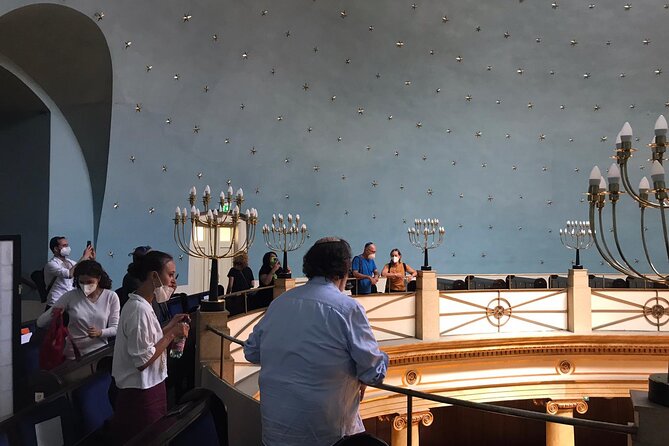
- Skip-the-line admission so you can get into the synagogue quickly and start looking at the interior right away
- Local guided context focused on the synagogue’s role in Vienna’s Jewish community
- Joseph Kornhäusel design and the surprising reason the street facade blends in with surrounding buildings
- World War II survival story, including how this was the only Vienna synagogue to survive the Novemberpogrom of 1938
- Practical understanding of Jewish tradition, explained in plain language for visitors
Why the Stadttempel’s story is uniquely Vienna
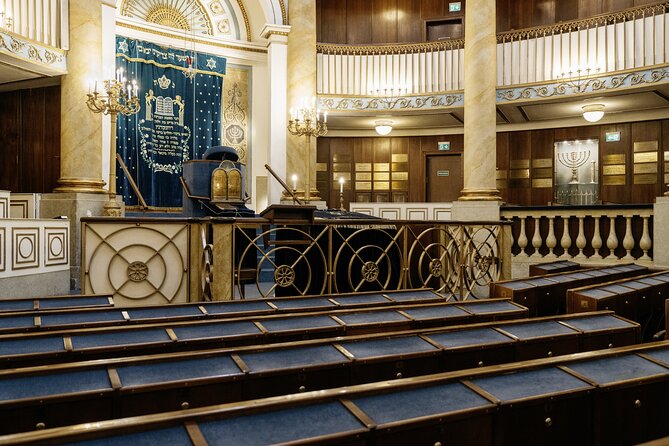
If you only do museums, you miss how living faith communities shape a city. The Stadttempel is one of the best places in Vienna to see that connection, because it’s both an architectural landmark and a continuing part of community life. This tour is set up to help you read the building instead of just walking past it.
What I like most is that the guide doesn’t treat the synagogue like a static monument. You’ll be shown how it was built with permission in 1826, and you’ll hear how it survived major upheaval, including the Novemberpogrom of 1938, when it remained standing. Then the tour brings you back to the present, explaining what the synagogue means for the Jewish community now.
The “big reveal” moment for many visitors is learning why the street facade looks so ordinary. The building was designed to blend into its neighborhood, which is a quiet, powerful reminder that history can be written into surfaces you might otherwise overlook.
More tickets and entries in Vienna:
- Vienna: Classic Ensemble Vienna in St. Peter’s Church Ticket
★ 4.7 · 4,819 reviews - Vienna Kunsthistorisches Museum Day Admission Ticket
★ 4.6 · 3,690 reviews - Vienna: Tickets for Mozarthaus Vienna with Audio Guide
★ 4.2 · 2,344 reviews
Getting inside fast: what the hour feels like
This experience is timed for focus. Expect about one hour on site, paced to keep moving while still giving you time to look at details. You’ll have admission included, plus an expert guide who leads you through the main points instead of letting you wander and hope the meaning lands.
That structure matters because synagogues have layers. You can absolutely visit on your own, but a guided tour helps you notice what would otherwise feel like “interesting ornamentation.” On this tour, the guide connects the interior design to stories you can actually remember, like the building’s imperial go-ahead and its survival through the Holocaust era.
The tour also aims to make Jewish traditions feel understandable. You’re not asked to already know everything. Instead, the tour helps you follow what you’re seeing and hearing, step by step.
The 1826 construction details that change how you see the building
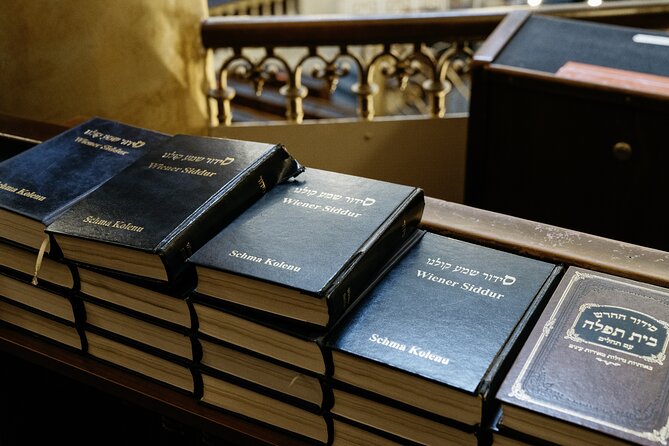
The Stadttempel’s origin is unusually clear-cut, and that makes it easier to appreciate. Construction dates to 1826, and the project happened with permission from the emperor. That fact alone gives you context: this wasn’t a secret side project. It was a landmark built under official authority.
You’ll also hear about the architect, Joseph Kornhäusel, a major name tied to Vienna’s building world. Knowing who designed the structure helps you look past the “pretty interior” and start spotting how the plan and style fit the city’s architectural language of the time.
And here’s the practical payoff for you: when a guide explains the design choices, you can read symbolism without guessing. Even if you’re not familiar with synagogue architecture, the tour framework gives you handles you can hold onto as you move around.
WWII survival, the Novemberpogrom, and why the tour lingers there
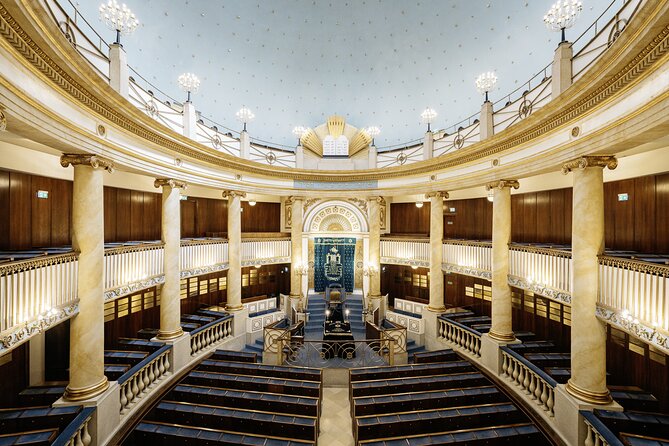
Most buildings tell you what happened to them. The Stadttempel tells you what it endured.
This synagogue is considered the main synagogue of Vienna because it survived while others did not. The story includes the Novemberpogrom of 1938, and the key point is that the Stadttempel was the only Vienna synagogue to survive that event. Hearing that changes your attention immediately. Details that felt decorative start sounding like evidence.
A good guide will also help you place the event in the broader timeline so you can connect the building’s physical survival to community experience and memory. That’s why this isn’t a “look and leave” tour. It’s built to help you understand what a standing structure can represent, especially in a city where so much history was reshaped.
If you’re the type who likes to understand “how we got here,” this is the portion that usually sticks with people.
A few more days out around Vienna worth comparing
- Vienna Spanish Riding School Guided Tour
★ 4.7 · 6,765 reviews - Vienna: Guided Walking Tour of City Center Highlights
★ 4.7 · 4,989 reviews - Vienna: Vienna Central Cemetery Guided Walking Tour
★ 4.8 · 3,307 reviews - Vienna: Guided Walking Tour of City Highlights & Hidden Gems
★ 4.9 · 2,180 reviews
The street facade that blends in: a design lesson with real meaning
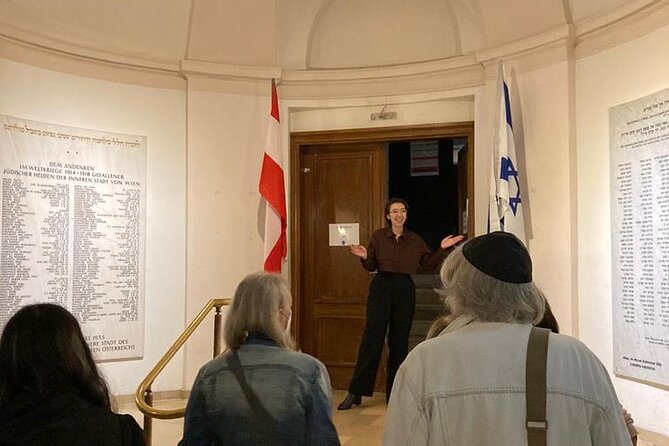
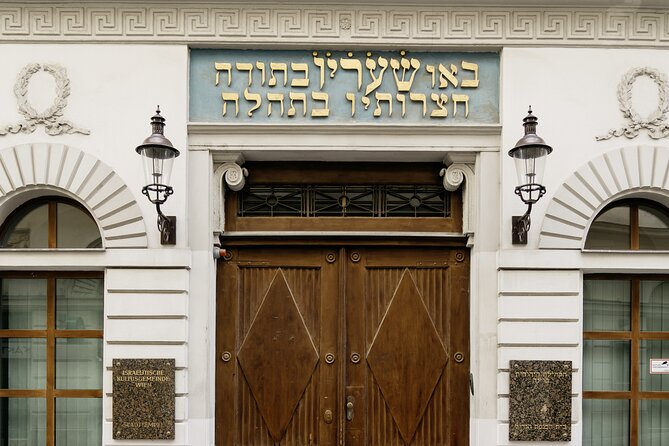
One of the tour’s most interesting angles is the exterior. On the street, the facade is designed to blend in with surrounding buildings. That means you might walk past it and miss how significant the structure is.
During the tour, you’ll learn why that blending matters. It’s not just an architectural quirk. It’s a reminder that communities sometimes had to live with constraints, and that history can force people to be visible in some ways and careful in others.
For you as a visitor, this is more than trivia. It changes your “where am I standing” thinking. Instead of picturing the synagogue as a lone monument on a pedestal, you start seeing it as part of the city fabric, tucked into Vienna’s everyday street life.
If you want the fullest effect, take a minute before or after the tour to look at the street frontage from a few angles. The building’s quiet exterior only makes more sense once you’ve heard what’s inside.
Jewish traditions and Vienna’s community today, explained without lectures
This tour doesn’t focus only on old dates. It also helps you understand the synagogue’s role in Vienna’s present-day Jewish community. That balance is important, because it stops the experience from becoming only about tragedy.
You’ll also get background on Jewish traditions in a way that supports what you’re seeing in the space. Even if you’re not Jewish, you’ll likely find this section useful because it gives you interpretation tools rather than forcing you into “religious encyclopedia mode.”
One theme that comes through in strong guide experiences is how personal and patient the explanations can be. For example, a past guide named Yehudit was described as passionate and knowledgeable, with clear storytelling that made the symbolism feel approachable.
So if you’re a Christian visitor who’s curious about other religions, or you just like cross-cultural learning, this tour can work well because it treats the subject with respect and clarity.
Price, timing, and why skip-the-line is part of the value
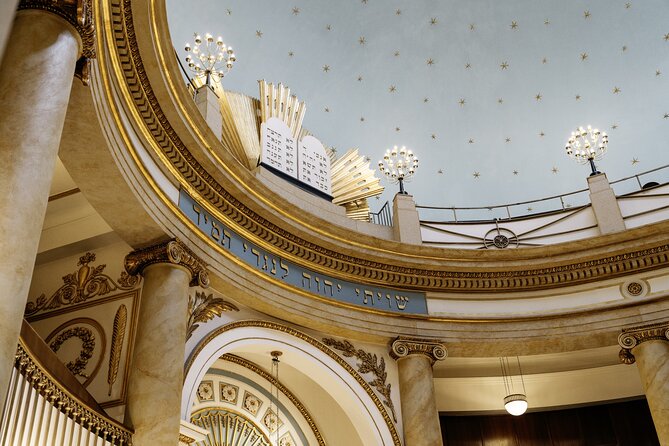
At $23.13 per person, you’re paying for two things: the synagogue admission and a guided tour with an expert guide. That matters because in historic places, the “ticket” alone rarely gives you the context you want. Here, the guide effort is built into what you buy.
The tour is about one hour, and it starts at 10:00 am. This timing is practical for a Vienna day plan. It helps you get something meaningful done early while the day is still fresh, and then you can continue exploring the city afterward.
You’ll also see that it’s often booked about 17 days in advance on average. That’s a good sign for demand, and it’s also a hint for you to plan ahead so you’re not scrambling for a slot.
What to bring and how to get the most from your guide
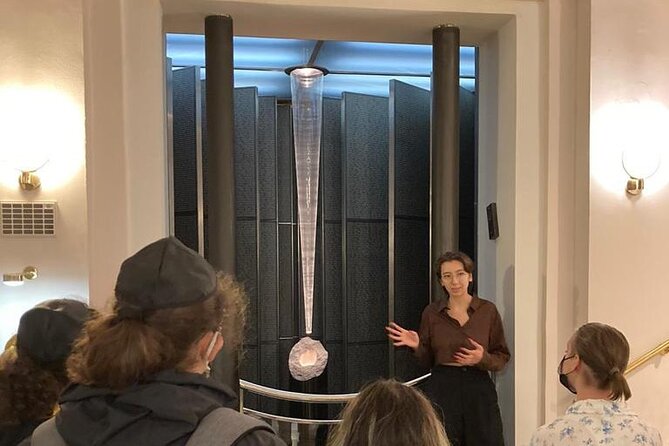
Because this visit is timed and focused, come prepared to listen and look. Wear comfortable shoes. You’ll likely move around inside, and you’ll want to keep your attention on the guide’s explanations rather than thinking about foot pain.
You’ll also want to bring water. Coffee and snacks are not included, so if you have a long day of walking after, it helps to have something light on hand.
Finally, give yourself a small buffer before the start time around 10:00 am. The tour is designed to run as an organized walk with key stops, and being late can quietly cut into the best parts.
One small request that came up in feedback: a map for the Jewish quarter would have helped some people explore on their own afterward. You can solve that easily by downloading a local map to your phone before you go, so once the tour ends you know where you want to wander next.
What you’ll get from the itinerary, and where you might want more
The tour centers on one main stop: the Stadttempel itself. That sounds simple, but it’s actually a strength. Instead of splitting attention across multiple sites, you get a deeper focus on one building, including its origin, design, survival, and present-day meaning.
You can think of the experience in four “layers”:
- Layer one: the inside space and why it looks the way it does
- Layer two: 1826 construction and Joseph Kornhäusel’s role
- Layer three: the October to November 1938 turning point, including survival during the Novemberpogrom
- Layer four: how the synagogue functions within Vienna’s Jewish community today
The potential downside of this single-stop approach is that you might crave more neighborhood context afterward, especially if you like to connect buildings to the streets around them. This is where having a map or doing a short self-walk after the tour helps you finish the story in your own way.
Who this tour fits, and who might prefer something else
This works best for you if you want context, not just entry. If you’re the type who notices architectural details and wants explanations that connect design to real events, you’ll probably enjoy this a lot.
It also suits people who are not Jewish but are curious. One review experience described a Christian visitor who still found the tour well worth it, mainly because the guide explained symbolism and history in accessible terms.
You might decide differently if you prefer long, self-guided visits where you can set your own pace for reading and photos. Because this is about an hour, it’s structured. You don’t get the extra time you might want to linger in quiet corners.
Should you book the Stadttempel guided tour with admission?
Yes, I think it’s a strong booking if you care about meaning. The biggest win is the combination of skip-the-line entry and a guide who can translate big historical moments into what you actually see in the room. Add the clear anchors in the story, like 1826, permission from the emperor, Joseph Kornhäusel, and the Novemberpogrom of 1938 survival fact, and you get a tour that feels purposeful.
Book it if:
- you want the interior explained, not just viewed
- you like architecture with a human story attached
- you want a respectful primer on Jewish tradition and Vienna’s community
Reconsider if:
- you dislike tightly timed tours and might struggle with a one-hour format
- you prefer to explore at your own pace without a guide’s structure
- you’re the type who needs lots of stops and variety, since this is focused on one site
If you do book, do one smart thing: plan to arrive early enough to settle in before the tour starts. That small step helps you catch the details the guide is pointing out, and it lets the building’s story land the way it’s supposed to.
FAQ
How long is the Stadttempel guided tour?
The tour lasts about one hour.
What is the price per person?
The price is $23.13 per person.
Does the ticket include admission?
Yes. The admission ticket is included, along with the guided tour.
Is skip-the-line access included?
Yes, you get skip-the-line access so you can enter right away.
Where is the meeting point?
The start time is 10:00 am, and the meeting area is near public transportation.
What’s not included in the tour price?
Coffee and/or tea and snacks are not included, and private transportation is also not included. Tip is not included.
Can most people participate?
The experience notes that most travelers can participate.
Is free cancellation available?
Yes. You can cancel up to 24 hours in advance for a full refund, and cancellations within 24 hours are not refundable.
Recently reviewed around Vienna
- Vienna: Mozart, Beethoven, & Strauss Private Tour★ 5.0 · 4 reviews
- Vienna: Musical Tickets ROCK ME AMADEUS – THE FALCO MUSICAL★ 4.8 · 15 reviews
- Vienna: Mozart Concert with Dinner and Carriage Ride★ 4.8 · 25 reviews
- Private Melk Hallstatt, Salzburg tour from Vienna★ 4.9 · 22 reviews
- Vienna: ‘Armenia In The Heart Of Austria’ Tour★ 5.0 · 6 reviews
- Vienna: Luxury Vintage Fashion Walking Tour★ 3.4 · 8 reviews
- Vienna: Kunsthistorisches Museum Guided Tour incl. admission★ 4.9 · 32 reviews
- Vienna: Mozart Private Guided Tour★ 5.0 · 4 reviews
Tickets, side by side.
Classic Ensemble Vienna in St. Peter’s Church Ticket
Read our review →
Vienna Kunsthistorisches Museum Day Admission Ticket
Read our review →
Tickets for Mozarthaus Vienna with Audio Guide
Read our review →
Skip-the-Line Entrance Ticket to the Danube Tower
Read our review →
St. Stephen’s Cathedral & Dom Museum Wien Tickets
Read our review →