Appraised · TICKETS
Vienna: Ticket to the Weltmuseum
This experience is interesting because the Weltmuseum turns a visit into a guided walk through how Europe collected, displayed, and interpreted cultures from around the world. You get major showpieces, but you also get the feeling of standing inside a historic collecting machine.
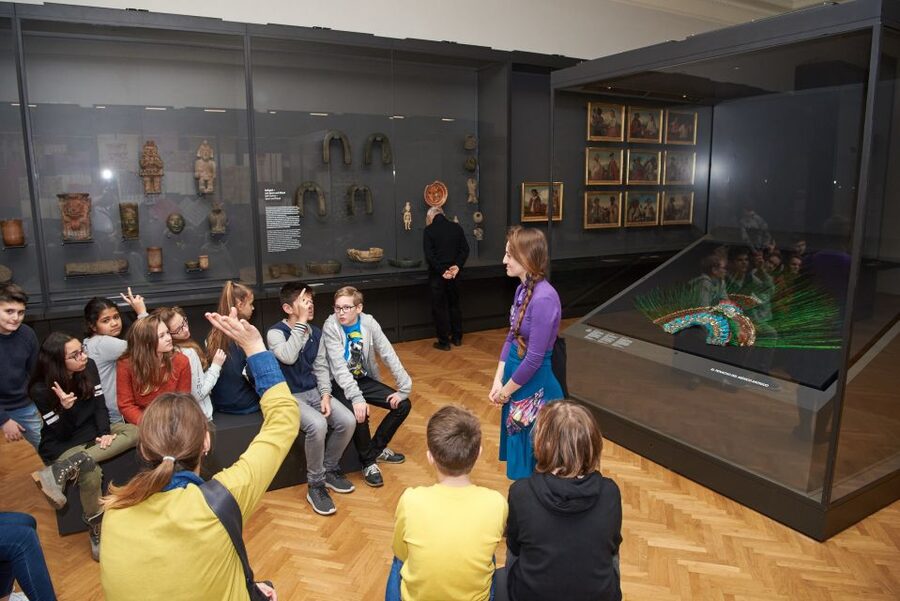
I love the chance to see the world-famous antique Mexican feather decoration, the Penacho, up close. I also love the museum’s sailor story through the well-known James Cook collection, which brings exploration into focus in a very visual way.
One drawback to consider is scale. If you like going room to room and reading every label, you can lose a lot of time, so you will want a simple plan before you start.
Key highlights you should care about
- Penacho de Moctezuma: a legendary antique Mexican feather masterpiece that anchors the visit
- James Cook collection: exploration-themed objects that fit naturally into the museum’s global story
- Kunstkammer-style Rudolf II pieces: court collecting shown through historic “curiosity cabinet” thinking
- The listed Pillar Hall: a showpiece interior that acts like the museum’s center of gravity
- 500 years of Habsburg collecting: a long timeline that shapes what you see and how it is presented
- A real museum break: coffee at the museum café without turning your day into a scavenger hunt
A ticket for Vienna’s Weltmuseum, where global collecting meets court history
If you like museums that do more than display objects, this is a strong bet. The Weltmuseum focuses on ethnographic objects, historical photographs, and books about non-European cultures, all tied into a long collecting tradition connected with the Habsburgs. In other words, you are not just seeing things. You are also seeing the logic of how a powerful European court gathered and organized the world.
The experience feels especially good when you let it unfold in layers. First you hit the visual showstoppers, like the Penacho and the James Cook highlights. Then you start noticing the museum’s “how did this collection become a collection” angle, which is where the visit really earns its ticket price.
More tickets and entries in Vienna:
- Vienna: Classic Ensemble Vienna in St. Peter’s Church Ticket
★ 4.7 · 4,819 reviews - Vienna Kunsthistorisches Museum Day Admission Ticket
★ 4.6 · 3,690 reviews - Vienna: Tickets for Mozarthaus Vienna with Audio Guide
★ 4.2 · 2,344 reviews
Meeting at Heldenplatz in the Neue Burg, then getting your bearings fast
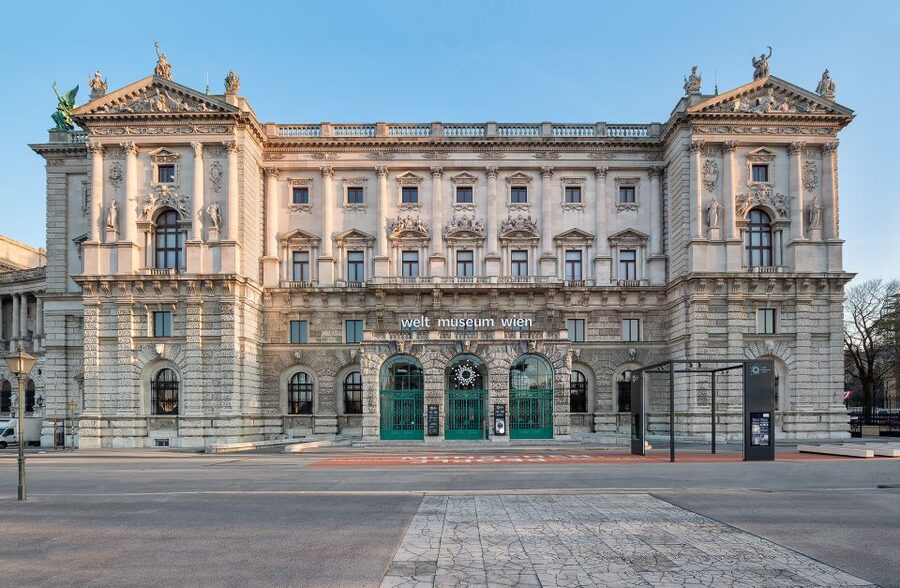
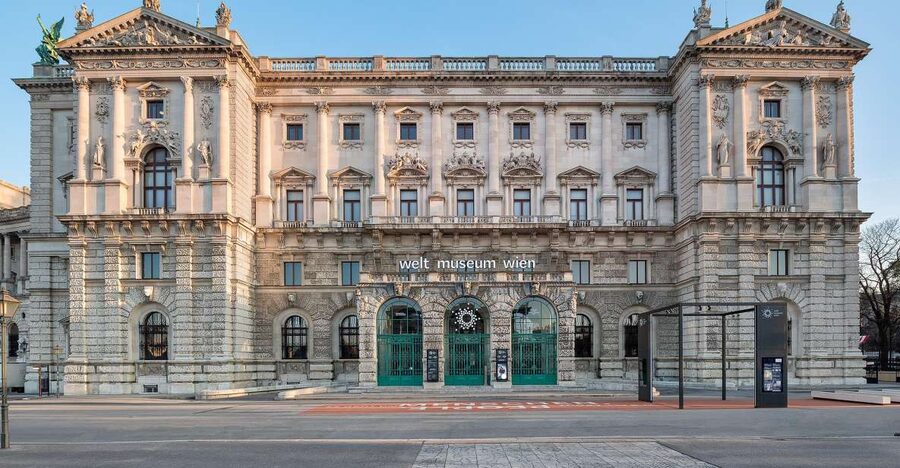
Your meeting point is Heldenplatz, Neue Burg, 1010 Vienna. That matters because you are dropped right into the imperial core of the city, where the buildings themselves help set the tone. Before you even buy into the exhibits, you will feel the weight of the setting.
I suggest you arrive with one clear goal for the first hour. Decide that you will either prioritize the Penacho first, or you will head straight for the Pillar Hall as your orientation point. Once you pick, everything else becomes easier, because you will use your first big moment as a mental anchor.
Also, since the ticket is valid for 1 day and start times can depend on availability, check the timing you select. Plan for a full museum day, not a quick stop, because the building has enough detail to keep you going longer than you expect.
The Pillar Hall is the reason to stop rushing
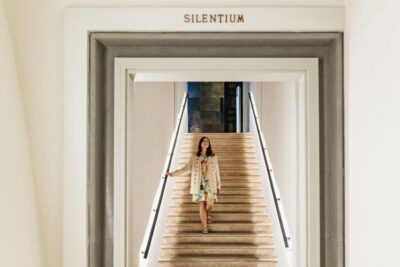
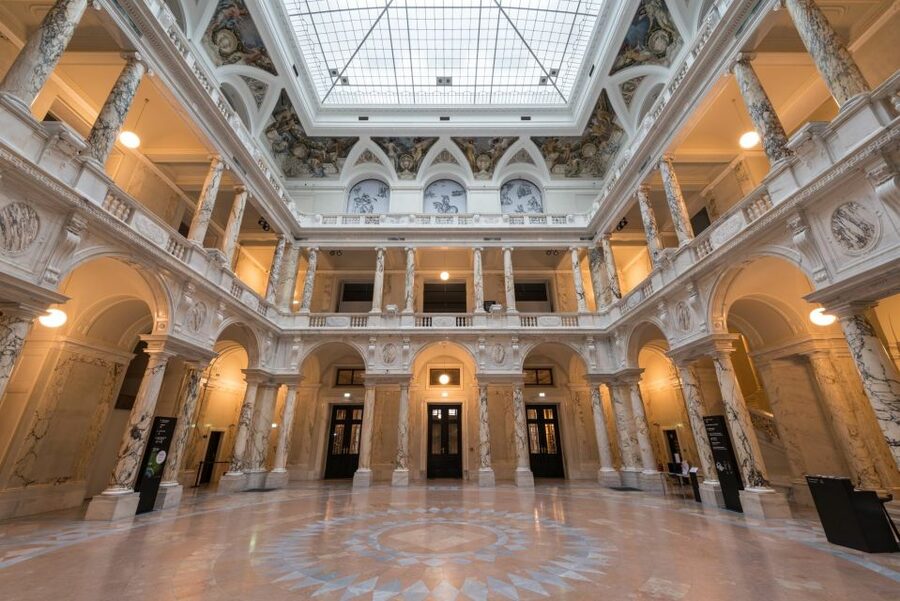
The listed Pillar Hall is the museum’s heart, and it is open to the public. Even if you came for the Penacho, this hall is the place that connects the collection to the building. It is also used as a stage for museum events and customer events, so it is clearly meant to be more than a corridor you pass through.
Here is why I think this hall matters to you: it changes how you experience the museum’s objects. Instead of treating everything like separate displays, you start sensing a central “stage” logic, where collections feel arranged for viewing and conversation. That architectural focus makes the global theme feel more intentional, not random.
If you want a smoother visit, do this: pause in the Pillar Hall, take in the space, then choose your next two must-see areas. Your day becomes calmer, and you avoid the common problem of zigzagging without really seeing.
500 years of Habsburg collecting, and what that timeline does to your perspective
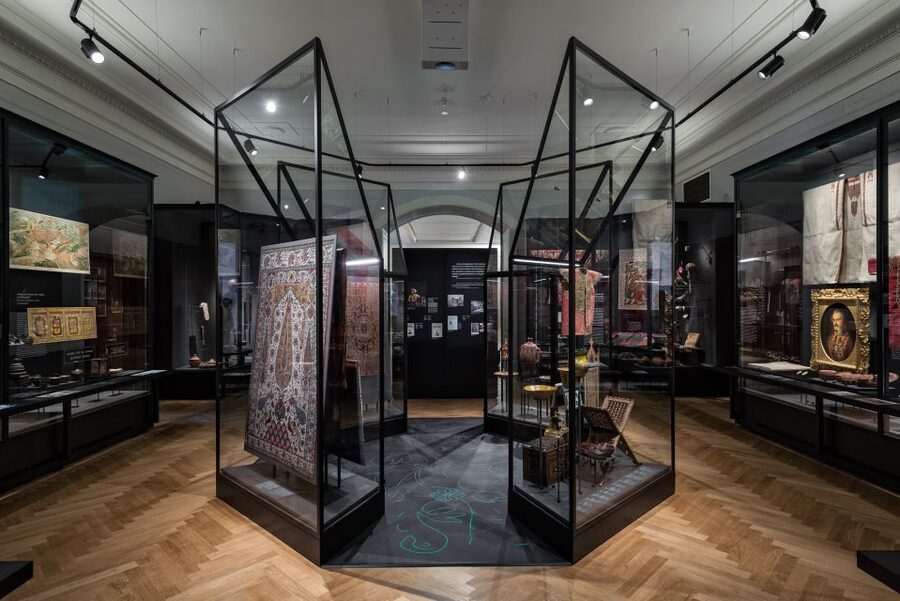
The museum’s highlights trace back through about 500 years of collecting by the Habsburgs. That long timeline is not just a trivia fact. It shapes the character of the objects you see, and it shapes the tone of the displays.
You are essentially looking at a history of collecting, not only a history of places. That can be fascinating if you like context: how power, curiosity, and fashion influenced what ended up in European hands, and how those objects were categorized over time. The museum also includes historical photographs and books, which helps you connect artifacts to the way knowledge was recorded.
You should go in with two attitudes at once:
1) Enjoy the craftsmanship and spectacle of individual objects.
2) Notice the organizing idea behind them, because the Habsburg collecting story is part of the experience.
A completely different kind of day, same corner of Austria:
- Vienna: Vivaldi’s Four Seasons Concert in Karlskirche
★ 4.7 · 14,951 reviews - Vienna: Schönbrunn Palace & Gardens Skip-the-Line Tour
★ 4.7 · 7,739 reviews - Vienna: Light of Creation Votive Church Immersive Light Show
★ 4.8 · 6,779 reviews - Vienna Spanish Riding School Guided Tour
★ 4.7 · 6,765 reviews
Kunstkammer-style pieces connected to Emperor Rudolf II
One of the most specific “museum-nerd” delights here is the presence of Kunstkammerstücke tied to Emperor Rudolf II. A Kunstkammer approach, basically, treats collected objects as worth preserving for curiosity, variety, and wonder. That fits perfectly with the Weltmuseum theme, because the museum is built around the idea that cultures can be seen through objects, images, and books.
What you get from this part is a shift in how you look. Instead of thinking, This is a single category museum, you start thinking, This is a court-based collecting worldview. Even if you do not read every label, you can feel that mindset in how objects are presented as part of a larger idea.
If you love European history but hate dry lectures, this is a good balance. You are using objects as your entry point, not speeches.
The Penacho feather decoration, Mexico’s masterpiece of antique artistry
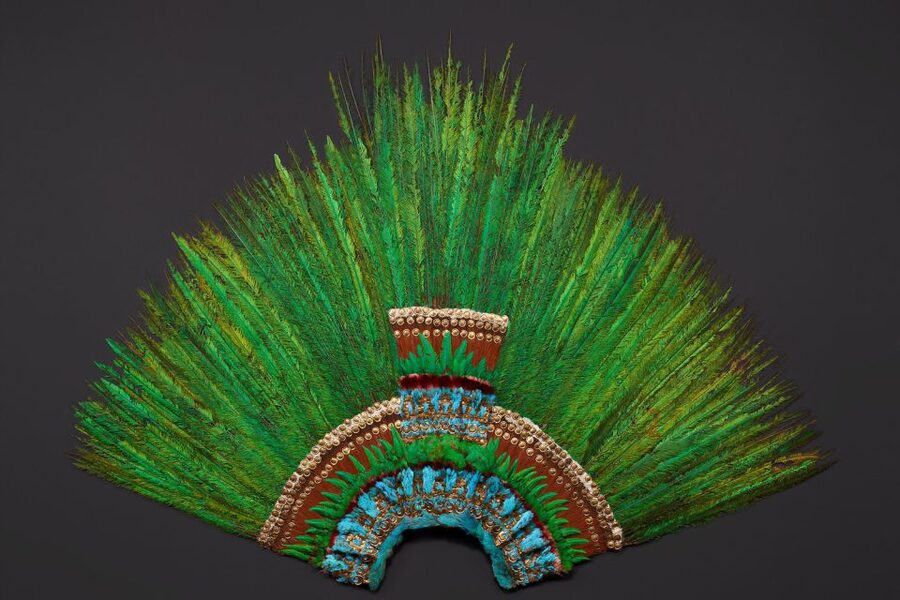
Let’s be direct: the Penacho is the star most visitors have on their mental checklist. This antique Mexican feather decoration is world-famous, and it is the kind of object that makes you slow down without needing instructions.
What is likely to impress you is the combination of delicacy and presence. Featherwork can look fragile in photos, but in person it tends to feel more solid, more intentional, and more carefully built than you expect. Add the museum setting, and it becomes a powerful moment inside a bigger story about collection and display.
When you plan your day, treat Penacho time like a small ceremony. Do not rush through it as a quick photo stop. Even if you do not want to read every detail, give it enough time to register the craftsmanship and the scale.
James Cook and the museum’s exploration story from the 19th century
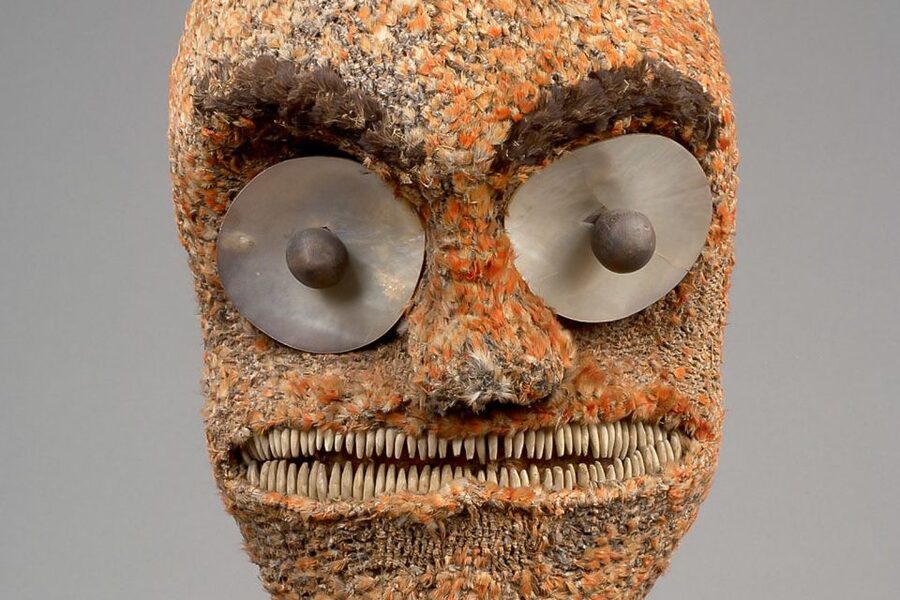
Another highlight is the well-known James Cook collection from the 19th century. Cook is an exploration name that many people recognize from school or general history. Here, you meet that theme through museum objects, not just a biography.
This part works well because it blends exploration with display culture. You get a sense of what Europeans wanted to bring home and what Europeans wanted to label, categorize, and keep. That is exactly the Weltmuseum angle, where global encounters show up through curated items.
If you enjoy linking themes across a museum, try a simple comparison. After you see Penacho, look at Cook-related items and ask yourself a question: What does the museum emphasize in each case, artistry in one room and exploration context in another? You will start understanding how the museum builds its global narrative through different types of evidence.
Ethnographic objects, photographs, and books that connect artifacts to documentation
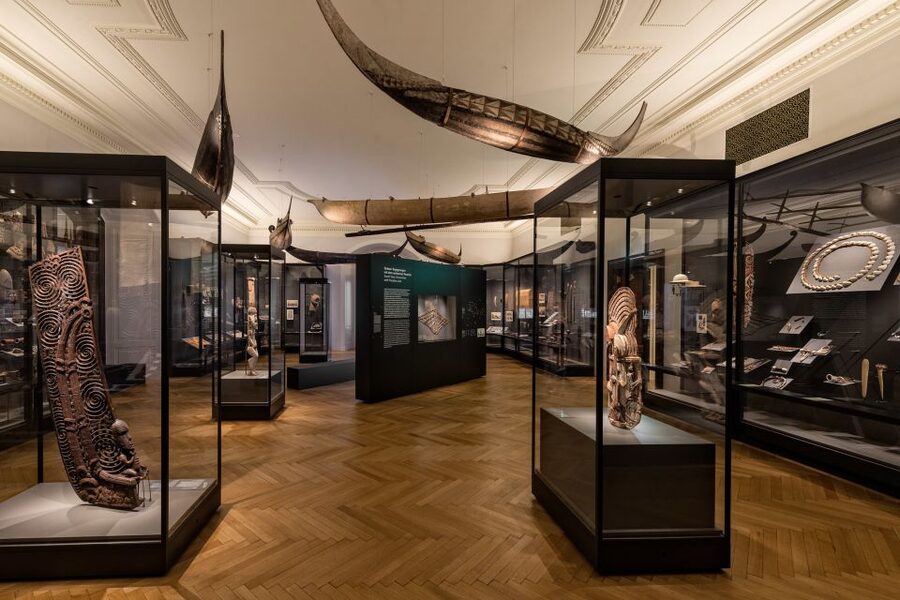
The Weltmuseum is not only objects in cases. It also includes historical photographs and books on non-European cultures. That combination is valuable because it gives you multiple ways of thinking, visual proof on one side, and written classification on the other.
This matters for your own viewing style. Some people are mainly object people. Others need photos and text to make meaning. Here you can use whichever tool fits you best, and you still stay inside one overall theme.
I also like that the museum’s focus is on non-European cultures presented through these historical materials. It makes you practice “seeing with the period,” rather than assuming everything is modern interpretation. Even if the curatorial framing is not what you would do today, learning how knowledge was documented can still be eye-opening.
A practical one-day route, so you see the big moments without burning out
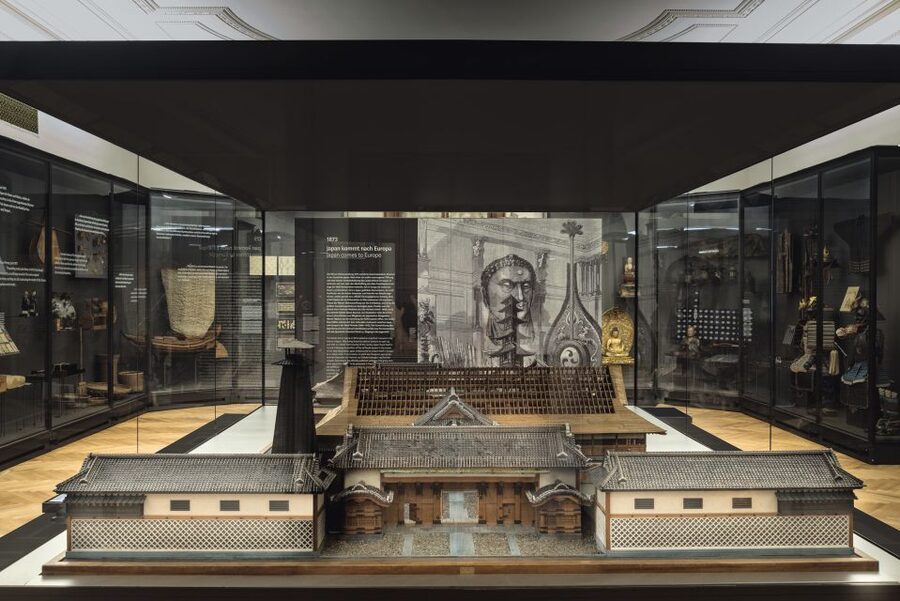
Because this is a ticket for admission for 1 day, you can set your pacing. Still, the museum can feel big, and one review noted that the building is large enough that you could spend days if you want every room in detail. So the goal is not to do everything. The goal is to do the right things for your style.
Here are two smart routes you can choose from:
Route A, showpiece first
- Start with Penacho
- Then use the Pillar Hall to reset and choose your next area
- Follow with the James Cook collection
- Finish with Rudolf II / Kunstkammer-style pieces and then wrap with photographs and books
Route B, architecture first
- Start in the Pillar Hall to get your bearings
- Then move to the Kunstkammer-style Rudolf II pieces
- Continue to Cook-related highlights
- End with Penacho so your last big moment stays strong
Either route works. What matters is that you pick a sequence and stick to it. You will enjoy the museum more when you do not treat it like a maze you must solve.
The café break you actually need, and how to use it well
The Weltmuseum includes a new museum café where you can enjoy a small coffee break in the middle of your visit. This is more than a nice perk. In a museum built for slow looking, a planned pause stops fatigue from flattening everything you see next.
I recommend you use the café break as a reset point. Sit down, drink something warm, then make one final decision: are you going to do one more major highlight room, or are you going to focus on photographs and books for the rest of the visit?
That choice prevents the common problem of leaving hungry for one last object you never actually saw.
Price and value for a museum day in Vienna
The ticket price is $18 per person, with a strong overall rating of 4.7 out of 5 across 363 reviews. In Vienna, that price can feel either like a fair deal or a “hmm” moment depending on how you usually handle museums.
Here is how I judge value for this one. You are paying for access to a full museum experience built around several major draws: Penacho, James Cook, Rudolf II Kunstkammer-style highlights, plus the historic Pillar Hall and the broader mix of ethnographic objects, photographs, and books. If you care about more than one theme, the ticket starts to look like good money, not just entry.
If you only want one single artifact and you are the type who scans and moves on, you might find it pricier than you want. But if you enjoy building meaning through comparison, context, and object details, this ticket can feel like a solid deal for a full museum day.
Also, one reason people rate it highly is that it offers lots of “stand and look” moments. That time spent looking is part of the value, not a bonus.
Who this ticket is best for, and who might not love it
This is a great fit if you:
- Want global culture collections presented through objects, photos, and books
- Like historical context connected to European collecting traditions
- Are specifically interested in Penacho or the James Cook connection
- Enjoy architecture moments, especially a major public hall like the Pillar Hall
You might want to rethink the visit if you:
- Only want the shortest museum experience possible
- Dislike museums that require you to read and interpret some labels and context
- Prefer strictly chronological storytelling rather than a mix of collecting styles and themes
One small note from a practical angle: if you plan to use an audio guide, expect it to shape your pacing. The museum offers an additional way to understand the Habsburg angle, but depending on what you enjoy, it may feel more detailed than dramatic. That is not a problem, it is just a heads-up.
Should you book the Weltmuseum ticket?
I would book it if you want a serious Vienna museum day that mixes major international artifacts with the historic look and feel of the Neue Burg. The Penacho and James Cook highlights give you headline moments, while the Pillar Hall and the Habsburg collecting story give you a reason to stay for more than photos.
Skip it only if you want a fast hit, because this museum rewards time. If you do like time, plan a smooth route, take a café pause, and treat the Pillar Hall as your reset point. Do that, and the $18 entry becomes a very workable value for a memorable cultural visit.
FAQ
Where is the meeting point for the Weltmuseum ticket?
The meeting point is Heldenplatz, Neue Burg, 1010 Vienna.
How long is the experience?
The ticket is valid for 1 day.
What is included in the ticket price?
The ticket includes admission to the Weltmuseum in Vienna.
What are the main highlights I should plan around?
Key highlights include the antique Mexican feather decoration Penacho and the well-known James Cook collection, plus the listed Pillar Hall. The museum also includes collections of ethnographic objects, historical photographs, and books on non-European cultures, with highlights going back to 500 years of Habsburg collecting.
Is the museum wheelchair accessible?
Yes, the experience is wheelchair accessible.
What languages are available?
The provided details do not list specific languages for the visit itself.
Can I cancel and get a refund?
Yes. You can cancel up to 24 hours in advance for a full refund.
Can I reserve now and pay later?
Yes. The option is available to reserve now and pay later.
Are there start times for the visit?
The ticket is valid for 1 day, and starting times depend on availability. You can check availability to see starting times.
What ticket can I use if I am visiting on different dates?
The ticket is for 1 day, so you should select the date you plan to visit, then check availability for the starting time shown for that date.
Recently reviewed around Vienna
- Vienna: Mozart, Beethoven, & Strauss Private Tour★ 5.0 · 4 reviews
- Vienna: Musical Tickets ROCK ME AMADEUS – THE FALCO MUSICAL★ 4.8 · 15 reviews
- Vienna: Mozart Concert with Dinner and Carriage Ride★ 4.8 · 25 reviews
- Private Melk Hallstatt, Salzburg tour from Vienna★ 4.9 · 22 reviews
- Vienna: ‘Armenia In The Heart Of Austria’ Tour★ 5.0 · 6 reviews
- Vienna: Luxury Vintage Fashion Walking Tour★ 3.4 · 8 reviews
- Vienna: Kunsthistorisches Museum Guided Tour incl. admission★ 4.9 · 32 reviews
- Vienna: Mozart Private Guided Tour★ 5.0 · 4 reviews
Tickets, side by side.
Classic Ensemble Vienna in St. Peter’s Church Ticket
Read our review →
Vienna Kunsthistorisches Museum Day Admission Ticket
Read our review →
Tickets for Mozarthaus Vienna with Audio Guide
Read our review →
Skip-the-Line Entrance Ticket to the Danube Tower
Read our review →
St. Stephen’s Cathedral & Dom Museum Wien Tickets
Read our review →