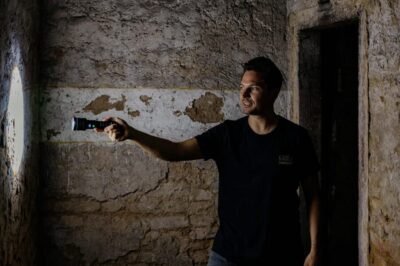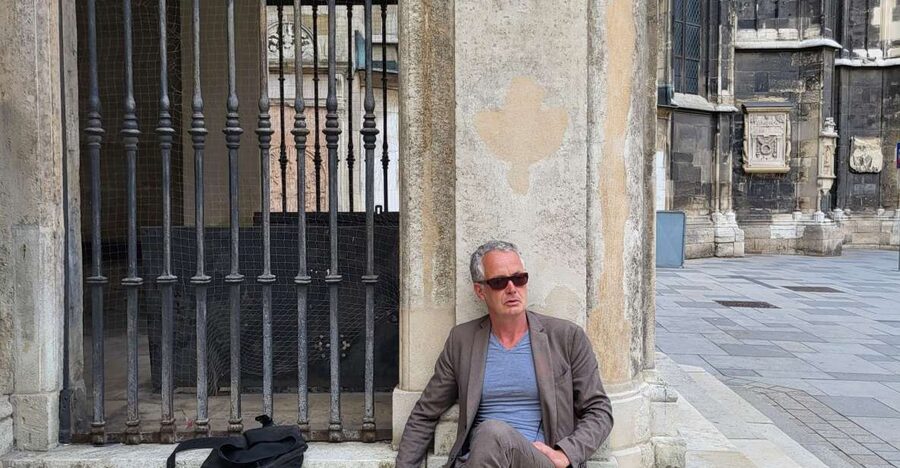
Appraised · GUIDED
Vienna – the making of a Weltstadt – guided Citytour
Vienna as a city can feel huge. This guided citytour makes it readable, step by step, linking two thousand years of change to real streets and buildings. The idea is simple: you walk, you watch, and you leave with a clearer sense of how Vienna became the Central European “Weltstadt” it is.
I especially like the way this tour connects the big stories to what you can actually see, not just dates and names. Two standouts for me are the guided understanding of the Hofburg as a residential power center, and the focus on St. Stephen’s Cathedral as both the city’s geographic and emotional anchor.
One consideration: this is a German-only walking tour, and it is not suitable for people with mobility impairments. If you need English or you rely on mobility support, you’ll want to look for another option.
Key things to know before you go
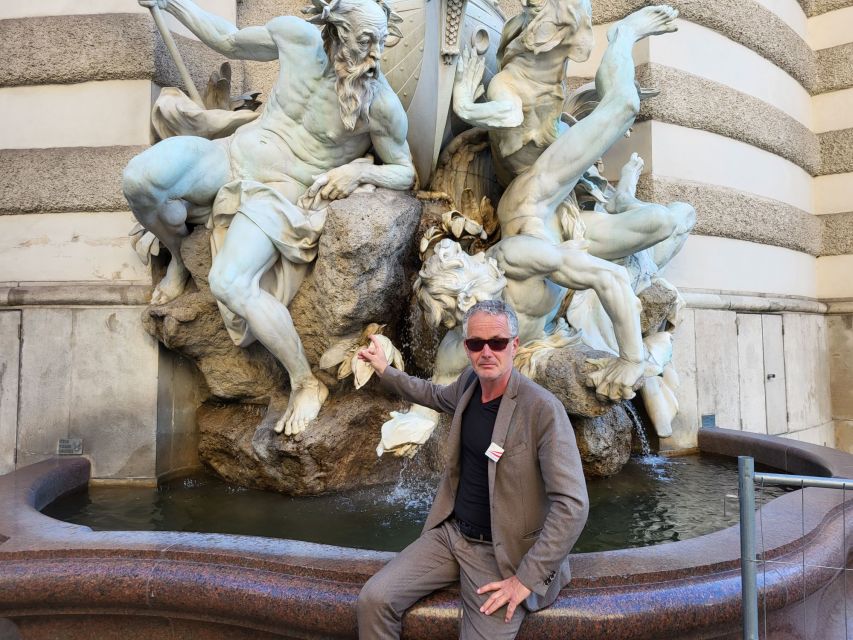
Christian Grausam’s storytelling approach: history and eras are tied to buildings in a way that stays clear and memorable.
Hofburg explained as a residential city: you get the logic behind Vienna’s royal power, beyond postcard views.
St. Stephen’s Cathedral as the anchor point: the guide helps you see why this place matters on multiple levels.
Music and art references on the route: Mozart, Beethoven, and Josef Haydn are woven into what you’re walking past.
A route that ranges from Roman traces to the 19th century: you’ll connect early Vienna to the later metropolis.
Why this Vienna walk turns a map into a story
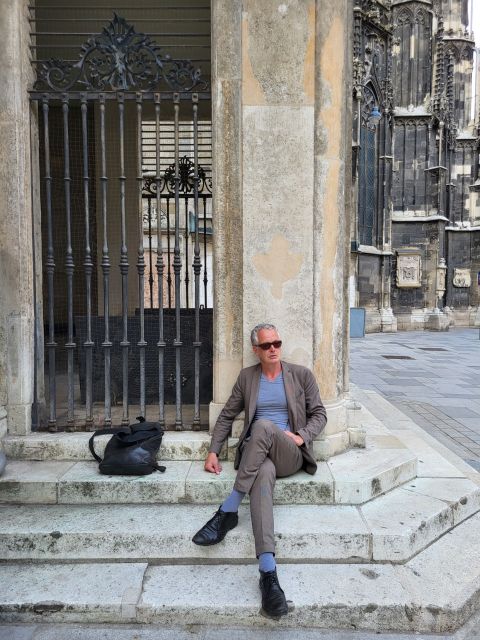
A good city tour does more than point. It gives you a mental framework so you can look at a facade, a square, or a church and immediately know what role it played in the city’s development. This one is built around that goal. You’ll start from evidence of very early Vienna, then move forward through medieval echoes, imperial power, and the 19th-century metropole Vienna became.
The vibe is practical. You’re not stuck in one museum room. You’re outdoors, in the city center, moving between landmarks that shaped daily life and royal life. And because the guide is local and certified, you also pick up the kind of perspective that makes the city feel less like a checklist.
The best part is that the tour is designed to help you understand Vienna afterwards. That means you’ll hear how architectural styles connect, how rulers influenced the layout, and how culture and music became part of the city’s identity, not just something said on a brochure.
A few more days out around Vienna worth comparing
- Vienna Spanish Riding School Guided Tour
★ 4.7 · 6,765 reviews - Vienna: Guided Walking Tour of City Center Highlights
★ 4.7 · 4,989 reviews - Vienna: Vienna Central Cemetery Guided Walking Tour
★ 4.8 · 3,307 reviews
Where the tour starts in Vienna: the old-core streets you’ll recognize
This tour follows a walk through the historical center, and your exact meeting point can vary depending on which option you booked. One common start is Freyung. If your meeting point is Freyung, you’ll begin with stops around Schottenkirche, then continue into the older civic and ceremonial spaces.
This matters because Freyung and the nearby lanes are a good place to start your “Vienna reading.” They let you ease into the city’s layers: quiet side streets, major landmarks within walking distance, and the kind of stone-and-history feel that becomes the theme of the day.
Also, you’ll want to travel light. Luggage or large bags are not allowed, so keep your pack small. It keeps the flow smooth when you’re moving through tight central streets and around busy sights.
Schottenkirche, Freyung, and Am Hof: Roman roots and medieval echoes
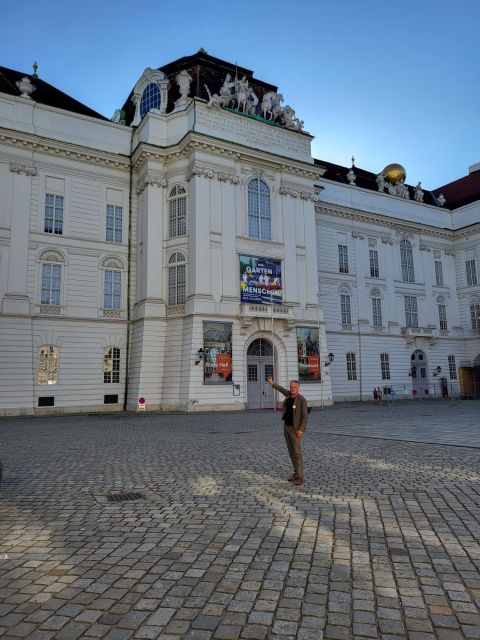
The tour is structured around the idea of walking through time. It begins from the earliest chapter: a small Roman fort, then moves forward toward the city you recognize from later centuries. You won’t get an abstract lecture. Instead, you get guided explanations as you pass key points in the old center.
Schottenkirche and the Freyung area are useful for this first stage because they sit in the part of Vienna where old routes and older street patterns still influence what you see today. From there, you move into Am Hof, a square that helps you connect the feeling of “old town Vienna” with the sense that this city was shaped for real power and real ceremonies.
Here’s what I like about this first segment: it prepares you to notice architectural style changes as you go. You start to see what belongs to different eras, and you get hints about whether something is a survival from the past or a later reworking. That difference becomes very important later at the Hofburg and around the cathedral.
Kohlmarkt to Michaelerplatz: streets of prestige, not just shopping
After the early core, the route shifts to a part of Vienna that many people recognize as central and stylish. You’ll pass Kohlmarkt and reach Michaelerplatz, which sets you up for the imperial storyline.
Why this segment works: it shows how Vienna’s center wasn’t only about palaces. It was also about the streets that connected major institutions, royal power, and the everyday movement of people through the center. Even if you only see these streets briefly, the guide’s explanations help you understand the layout as an intentional network, not random “pretty streets.”
You also get a strong transition feeling here. The tour starts to move from “history layers” into “power center.” That makes the later stops easier to follow, because your brain already knows where the story is heading.
If you’re someone who tends to rush through city centers, this segment can slow you down in a good way. You’ll learn what to look for beyond shop windows and traffic.
A completely different kind of day, same corner of Austria:
- Vienna: Vivaldi’s Four Seasons Concert in Karlskirche
★ 4.7 · 14,951 reviews - Vienna: Schönbrunn Palace & Gardens Skip-the-Line Tour
★ 4.7 · 7,739 reviews - Vienna: Light of Creation Votive Church Immersive Light Show
★ 4.8 · 6,779 reviews - Vienna: Classical Concert in the World-Famous Musikverein
★ 4.6 · 6,673 reviews
Hofburg and Heldenplatz: why Vienna became a residential power
The Hofburg stop is one of the headline highlights for good reason. The guide focuses on the importance of Vienna as a residential city, meaning the story isn’t only about ruling from a distance. It’s about ruling from within the city’s life.
When you reach Hofburg and then Heldenplatz, you’ll hear how the city’s major rulers shaped Vienna’s role in Central Europe. The tour specifically connects people such as Charles V and later figures like Franz Josef and Elisabeth. Even if you know only a little about them, the guide frames the connection in a way that helps you see why these names matter to the physical city.
A practical tip here: look for how the spaces open and how the square feel changes when you’re near imperial buildings. You’ll notice how imperial Vienna designed for visibility, movement, and status. That’s part of why this stop is so valuable. You’re not just seeing a big complex. You’re learning the logic behind why it dominates the center.
You should also be ready for a lot of information in a concentrated area. This is where the tour really gives you a framework for the rest of your Vienna trip. If you like history but lose patience when facts pile up, the key is to keep your eyes on details. The guide does that linking for you.
Burggarten, Josefsplatz, and the Albertina: art and music in plain sight
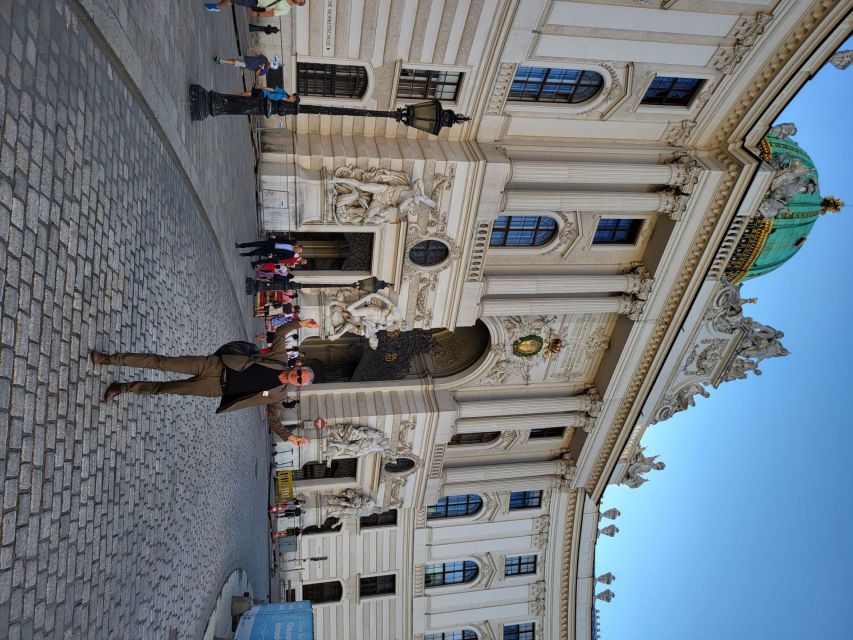
Next comes a sequence that helps bring Vienna’s cultural identity into focus. You’ll walk through Burggarten and Josefsplatz, and then you’ll pass Albertina.
This section is valuable because it bridges the political story with the artistic one. The tour connects Vienna as a center of art and music, and it does that while you’re physically moving through places associated with major cultural life. The route also references Mozart and Beethoven as people who lived and worked in Vienna. It mentions that Josef Haydn composed a melody that is important for Germany today.
You don’t need to be a classical-music expert to enjoy this. The guide’s job here is translation. You’ll learn how Vienna’s identity is tied to music and art, and you’ll start to spot how cultural institutions and public spaces reinforce each other.
If you’re planning to visit museums later, this stop helps you choose what feels relevant. Instead of treating every museum like a random building, you get a sense of what Vienna was doing culturally during different eras.
Capuchin Crypt and Franziskanerplatz: the royal story meets a place of memory
After Albertina, the tour turns toward Capuchin Crypt and continues through Franziskanerplatz and then Domgasse. This stretch shifts the mood. It’s still part of the walk through the city center, but the focus changes toward memory and the way Vienna records its royal past.
What makes this stop worthwhile is how it complements the Hofburg story. Hofburg explains the city as a living residential power. The Capuchin Crypt offers the other side of that coin, the lasting imprint and the physical marking of who mattered.
Again, you’re not getting a vague lecture. The guide weaves the themes into where you stand, so by the time you reach the later sacred landmark, you understand why the city holds onto its symbols.
If you want a tour that keeps emotion and symbolism in view, not only architecture, this is the segment where the tour starts to feel personal, in a quiet way.
Domgasse to St. Stephen’s Cathedral: the city’s geographic and emotional center
The final landmark on the walk is St. Stephen’s Cathedral. It’s described as both the geographical and emotional center of Vienna, and the route builds toward it so you arrive ready.
Why the cathedral works as the finale: it’s a place where you can feel the long continuity of city life. Even if you’ve seen photos, being there at street level changes the scale and the presence. The guide helps you understand how the cathedral connects back to earlier centuries, including the medieval thread the tour keeps pointing out.
This is also where your “two millennia” framework clicks. You’ve already moved from Roman traces to imperial power, then to art and music. Now you land at a landmark that makes sense of the city’s identity as a whole.
If you’re the kind of person who wants a clear ending point, this is ideal. You finish at a world-famous site, but you finish with understanding, not just the satisfaction of ticking a box.
Price and pacing: is 2 hours for $35 actually good value?
$35 per person for a 2-hour guided walk is fair when you consider what you get: a certified local guide, a dense route through major center points, and the big context that usually takes much longer to piece together on your own.
The value isn’t just the landmarks. It’s the way the guide links them into a story of Vienna’s evolution:
- Roman beginnings and early foundations
- medieval architectural memories
- imperial residence and power
- 19th-century Vienna as a Central European metropolis
- art and music references like Mozart, Beethoven, and Josef Haydn
That’s a lot to compress into two hours, so pacing matters. Plan to focus. If you wander off, you’ll miss the connections that make the tour feel worth it.
Also note practical limits: it’s a rain-or-shine walk, and you’ll need to arrive 10 minutes early at the meeting point. The tour is live and German, so if your German is limited, you might feel like you’re watching the city without the full meaning.
Who should book, and who should skip this one
This tour is a strong match if you want:
- a guided overview of Vienna’s center that goes beyond the usual “look at this, then that”
- a local feel, with a guide who can connect history to buildings
- a route built around themes, including Hofburg, St. Stephen’s Cathedral, rulers like Franz Josef and Elisabeth, and music references like Mozart and Beethoven
Based on the guide’s praised style, you should also expect a story that stays clear. People rated the experience highly and specifically called out how Christian Grausam connected eras and buildings, kept things lively, and added useful tips for what to do next.
You might want to skip if:
- you do not speak German well enough to follow a live walking narration
- you need mobility support, since the tour is not suitable for people with mobility impairments
- you’re carrying large luggage, since it is not allowed
Should you book the Weltstadt guided city tour?
If your goal is to understand Vienna’s center, not just stand in front of famous sights, I’d book it. The tour is short, focused, and built around the right anchors: Hofburg for the imperial residential story and St. Stephen’s Cathedral as the emotional and geographic center.
Book it if you like guided walking tours with real context. Skip or switch languages if you need an English guide. And do keep your expectations realistic: you’re walking a lot in a compact timeframe, so come ready to watch details and listen closely.
FAQ
How long is the Weltstadt guided city tour in Vienna?
The tour lasts 2 hours.
What language is the live tour guide?
The tour is guided live in German.
Where do I meet the guide?
The meeting point may vary depending on the option booked. If your meeting point is Freyung, the route includes stops such as Schottenkirche, Freyung, and Am Hof.
Is the tour outdoors and does it run in bad weather?
Yes, the tour takes place rain or shine.
Are luggage or large bags allowed?
No, luggage or large bags are not allowed on this tour.
Is it suitable for people with mobility impairments?
No, this tour is not suitable for people with mobility impairments.
Can I cancel for a full refund?
Yes. You can cancel up to 24 hours in advance for a full refund.
Recently reviewed around Vienna
- Vienna: Mozart, Beethoven, & Strauss Private Tour★ 5.0 · 4 reviews
- Vienna: Musical Tickets ROCK ME AMADEUS – THE FALCO MUSICAL★ 4.8 · 15 reviews
- Vienna: Mozart Concert with Dinner and Carriage Ride★ 4.8 · 25 reviews
- Private Melk Hallstatt, Salzburg tour from Vienna★ 4.9 · 22 reviews
- Vienna: ‘Armenia In The Heart Of Austria’ Tour★ 5.0 · 6 reviews
- Vienna: Mozart Private Guided Tour★ 5.0 · 4 reviews
- Vienna: Luxury Vintage Fashion Walking Tour★ 3.4 · 8 reviews
- Vienna: Kunsthistorisches Museum Guided Tour incl. admission★ 4.9 · 32 reviews
Guided, side by side.
Guided Walking Tour of City Center Highlights
Read our review →
Bus & Schönbrunn Palace Skip-the-Line Guided Tour
Read our review →
Tickets for Mozarthaus Vienna with Audio Guide
Read our review →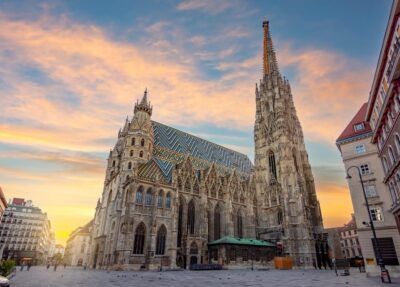
Guided Walking Tour of City Highlights & Hidden Gems
Read our review →