
Appraised · HOFBURG & SISI MUSEUM TOURS
Vienna: Imperial Treasury in the Hofburg Palace
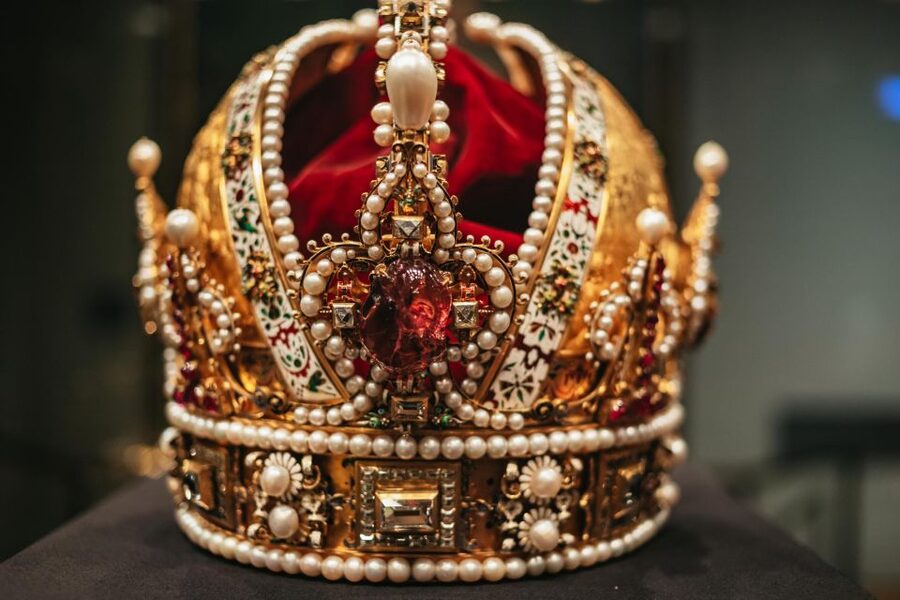
The Imperial Treasury in Vienna is interesting because it takes you into a real former power center, the Habsburg vault in the Hofburg Palace’s Swiss Wing. You are looking at court life and empire thinking, but in objects you can study at close range, not just in pictures.
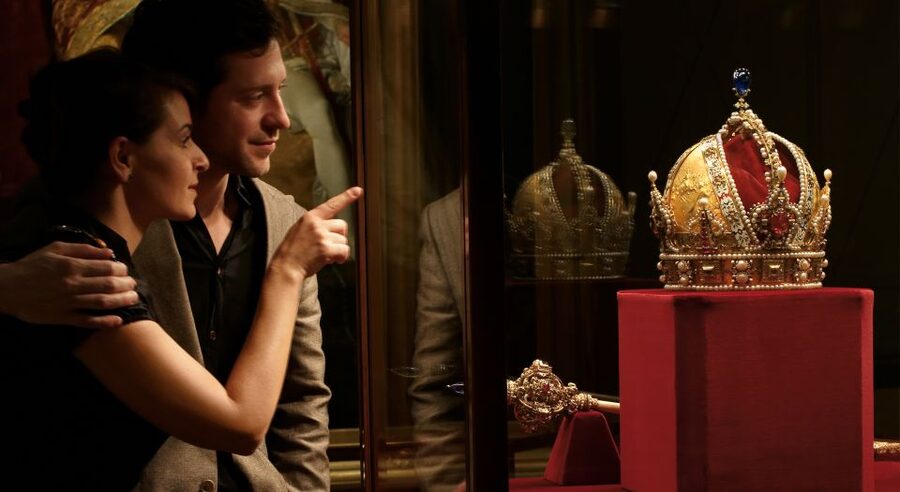
I love two things right away: the Austrian Imperial Crown, one of the most beautiful crowns in the world, and the way the display mixes royal regalia with religious relics. One room feels like a jewelry museum, then you round a corner and you are staring at legends like the Holy Grail agate bowl and the Holy Lance.
One drawback to plan for: this is a focused stop, usually around an hour or so to enjoy properly. Also, because a printed voucher is required, you may still need time at the ticket counter, even if you booked online.
Key things that make this visit worth your time
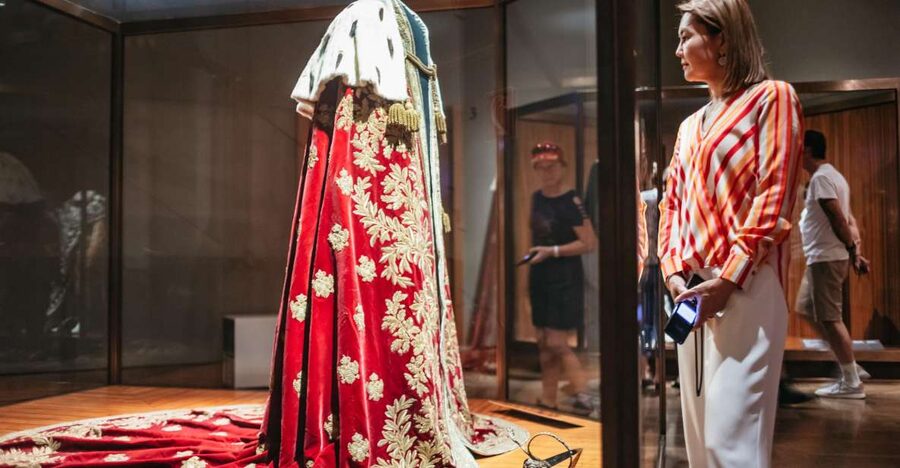
- The Austrian Imperial Crown, the headline object, plus other crown jewels from the Holy Roman Empire
- Big, dramatic gemstones, including one of the largest emeralds in the world and a top-cut emerald centerpiece
- Empress Elisabeth connections, with parts of original jewelry tied to Sisi
- Legendary relics in the same chambers, like the Holy Lance (8th century), the Holy Grail, and a horn of a unicorn
- Habsburg “power accessories”, including the Order of the Golden Fleece treasure
- A manageable format, small group size (limited to 10), and typically a one-day stop rather than a whole-day museum marathon
Imperial Treasury in the Hofburg Swiss Wing: what you are actually walking into
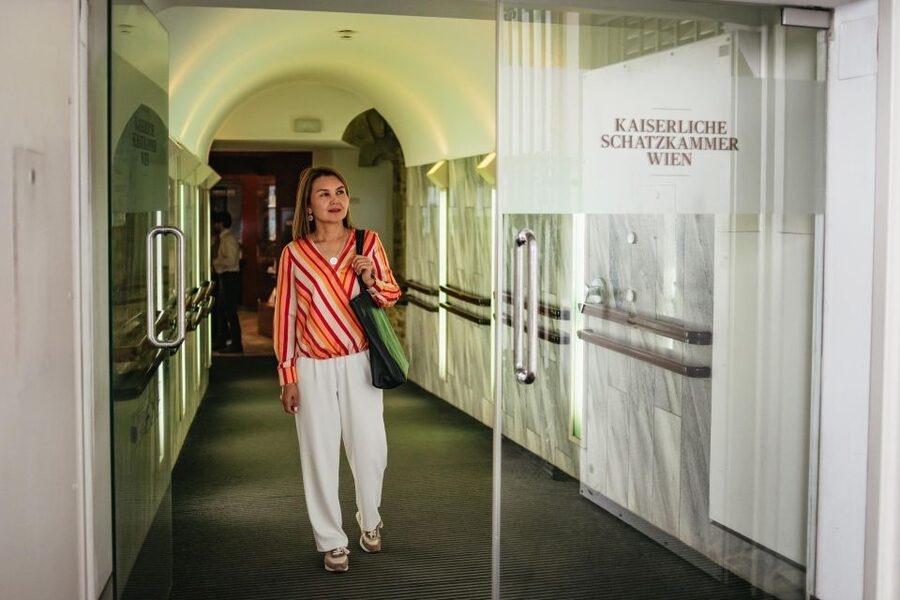
This visit is housed in the oldest part of the Hofburg Palace, the Swiss Wing, and that matters more than you might think. The collection is not spread out across random galleries. It is built like a treasury, with rooms that let the objects feel collected and consequential.
The setting also helps you understand what you are seeing. Crown jewels, gemstone works, and religious relics were never just decoration. They were statements. This is the sort of place where you start noticing how rulers used visible symbols to reinforce authority, luck, and legitimacy.
If you want a museum with clear focus, this fits. It is not trying to be everything to everyone. Your job is simple: take your time, look closely, and let the objects tell you the story.
More Hofburg and Sisi Museum tours:
- Vienna: Skip-the-Line Sisi Museum, Hofburg and Gardens Tour
★ 4.8 · 5,918 reviews - Vienna: Hofburg and Empress Sisi Museum Guided Tour
★ 4.7 · 1,460 reviews - Vienna: Skip-the-Line Hofburg and Empress Sisi Museum Tour
★ 4.8 · 801 reviews
The Austrian Imperial Crown and Holy Roman Empire jewels you should seek first
Start with the centerpiece idea in your head: this collection connects the Habsburg court with the Holy Roman Empire crown tradition. One of the stars is the Austrian Imperial Crown, described as one of the most beautiful crowns in the world. When you see it, you get why people remember it.
You are also seeing the crown jewels tied to the Holy Roman Empire, with the Imperial Crown as the key reference point. This is where the “treasury” label feels real. The display is not just showing beautiful metalwork, it is showing how dynasties treated crowns as tools of power.
If you like details, you will enjoy the way the collection makes comparisons possible. Once you have the crown in view, it becomes easier to spot how other regalia supports the same message. It is the same theme repeated through different materials: gold, gemstones, ceremonial orders, and relics of authority.
Empress Elisabeth jewelry, huge emeralds, and why the gemstones feel like characters
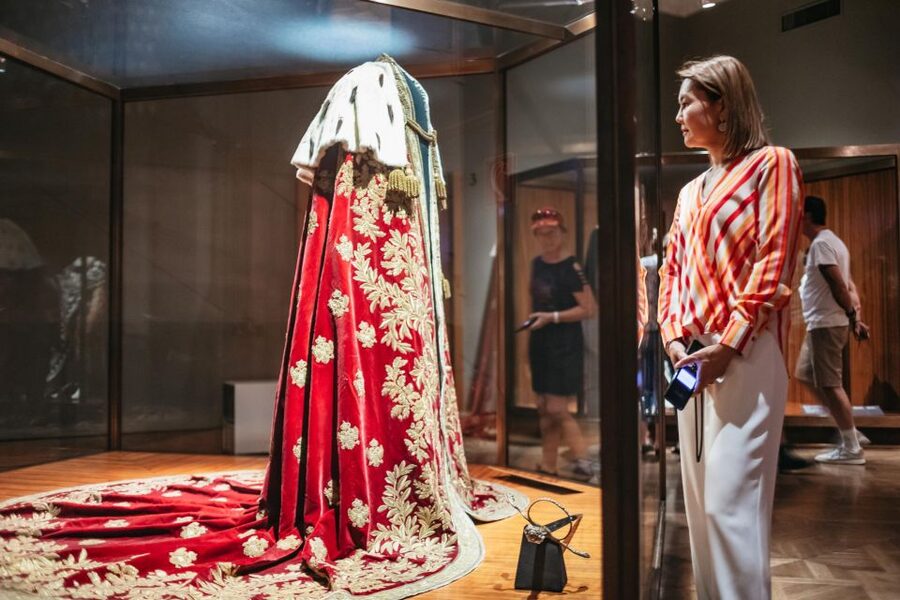
Gemstones are not background here. They are the main plot. Expect to see jewels and diamonds that reflect centuries of Habsburg wealth and taste. One highlight is a very large emerald, described as one of the largest emeralds in the world.
Another standout is the largest cut emerald, presented as a major visual anchor. It is the kind of object that changes how you look at everything else in the rooms. Instead of admiring jewelry as style alone, you start thinking about rarity, power, and ownership.
Then there is the Elisabeth thread. You can discover parts of the original jewelry connected to Empress Elisabeth. That gives the displays a more personal angle. You move from empire symbols to human stories, at least in the sense that you are seeing preserved pieces tied to a specific historical figure.
One practical tip: plan to stand back for a moment first, then move in closer. With gem displays, the sparkle and cut design can look different depending on distance and the lighting. A quick scan helps you see the composition; then close-up attention helps you appreciate craft.
Holy Lance, the Holy Grail agate bowl, and other legendary objects in one room
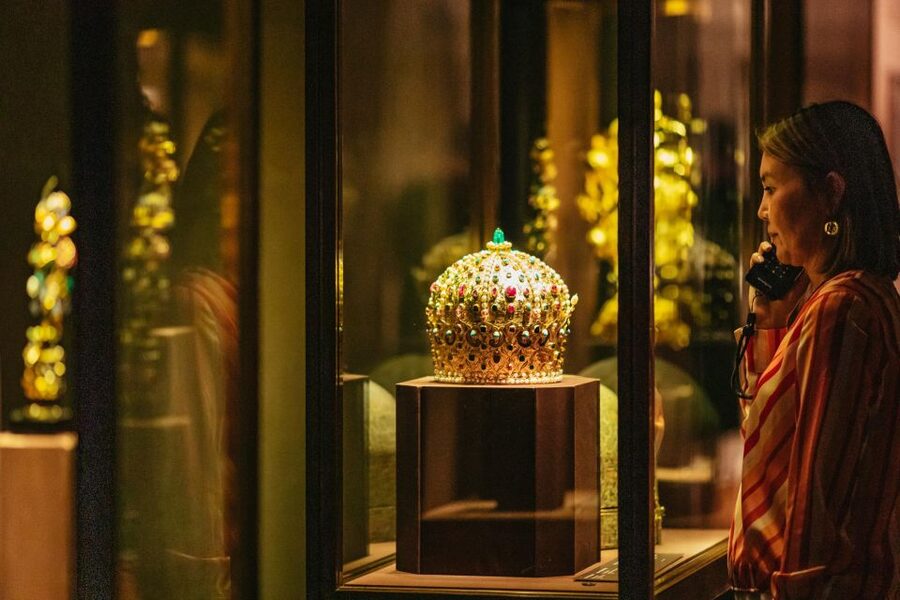
Yes, this is a treasury with crown jewels. But it also contains legendary and religious items, and that blend is what many people find surprisingly engaging.
You will see legendary treasures such as the Holy Lance from the 8th century. Even if you do not care about relic theology, the object’s presence in a royal collection tells you something practical: rulers wanted proximity to sacred stories.
Another legendary object is the Holy Grail, described as the world’s largest agate bowl. Then there is the horn of a unicorn, another item in this mix of myth and power.
How should you approach these items? Don’t treat them as puzzles you have to solve. Treat them as cultural artifacts. Look at how the treasury frames the legendary alongside the imperial. It shows how legends were used as part of court identity, not just as folklore.
A completely different kind of day, same corner of Austria:
- Vienna: Vivaldi’s Four Seasons Concert in Karlskirche
★ 4.7 · 14,951 reviews - Vienna: Schönbrunn Palace & Gardens Skip-the-Line Tour
★ 4.7 · 7,739 reviews - Vienna: Light of Creation Votive Church Immersive Light Show
★ 4.8 · 6,779 reviews - Vienna Spanish Riding School Guided Tour
★ 4.7 · 6,765 reviews
Golden Fleece, Burgundy treasures, and the King of Rome link that surprises people
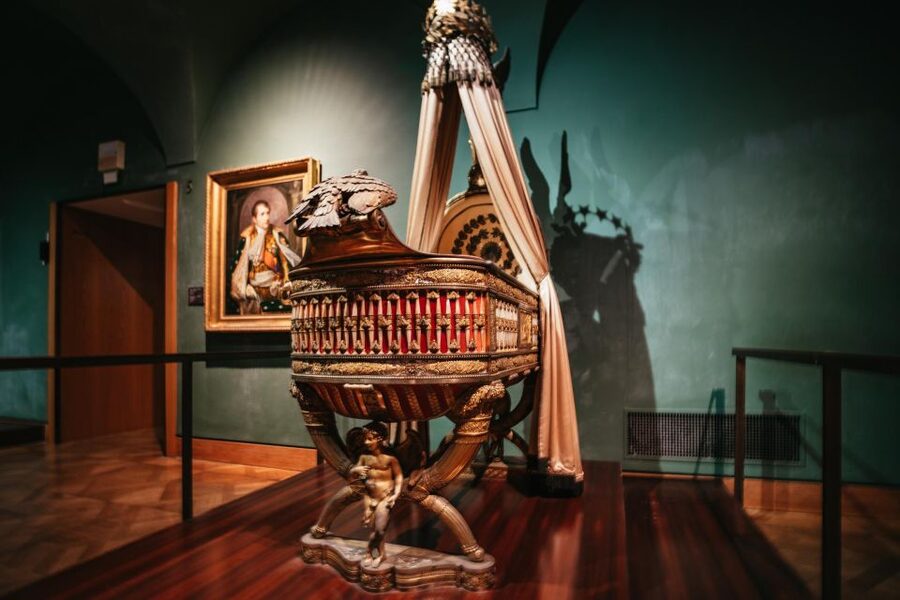
If you want a bit more than crowns and gemstones, this is where you get it.
You will find the treasure of the Order of the Golden Fleece. This is one of those objects that helps you understand how noble orders worked like social branding. It is not only about wealth. It is about belonging to the right circles, with visible symbols.
There are also collections connected to 15th-century Burgundy. That kind of regional link matters because it reminds you that the Habsburg court did not exist in a vacuum. Wealth flowed across regions through marriage, alliances, and inheritance.
One more item worth your attention is the cradle of the King of Rome, identified here as Napoleon II. That is a fascinating twist because it shows how the palace treasury became a container for shifting European power stories. This is one of those details that makes the visit feel less like a single dynasty museum and more like a crossroad of Central European politics.
How long to spend in the treasury and how to avoid getting turned around
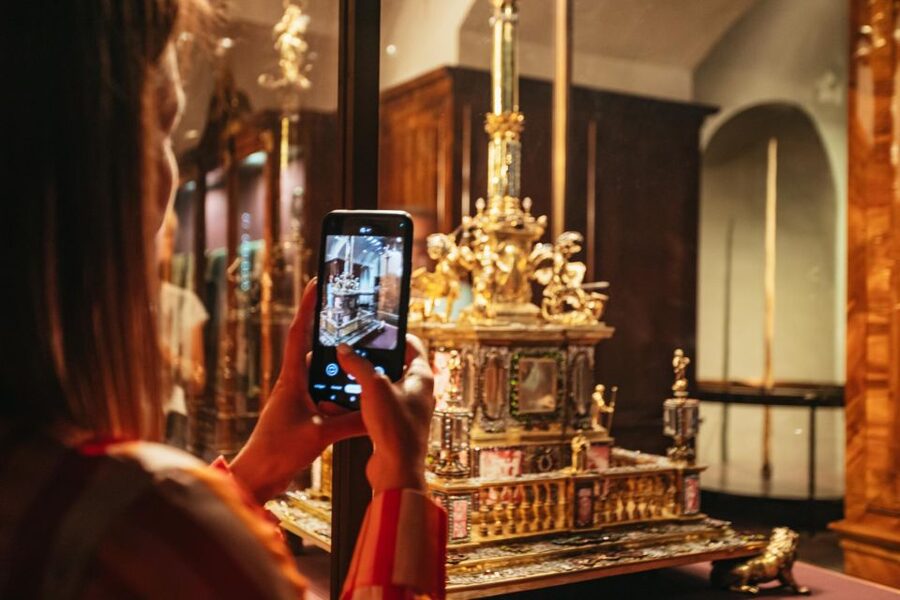
Plan on a one-day visit, and realistically budget about an hour to an hour and a half if you want to actually enjoy the room-to-room flow. Many people finish faster if they skim, but you do not need to rush to feel like you got your money’s worth.
A few practical notes based on common visitor friction:
- The ticket exchange process can take time because a printed voucher is required.
- Some people find the layout confusing at first, since you are in a palace and not a modern museum with obvious wayfinding everywhere.
What I recommend: arrive with a calm mindset. When you enter, pause and confirm you are in the Swiss Wing area, then give yourself permission to slow down for the first major room. If you feel lost, ask staff for directions rather than wandering room to room.
If you are bringing your own guide, you can do it. The basic ticket is entrance-only, so your pacing is truly yours. And if you prefer a guided overview, some guide-led experiences can add structure, especially when a guide points out specific objects and explains context like Franz Joseph and Sisi. Names that have stood out in guided contexts include Petee and Alex, both known for calling out distinctive items and tying them to bigger Habsburg themes.
Lighting, audio, and getting more meaning from an entrance ticket
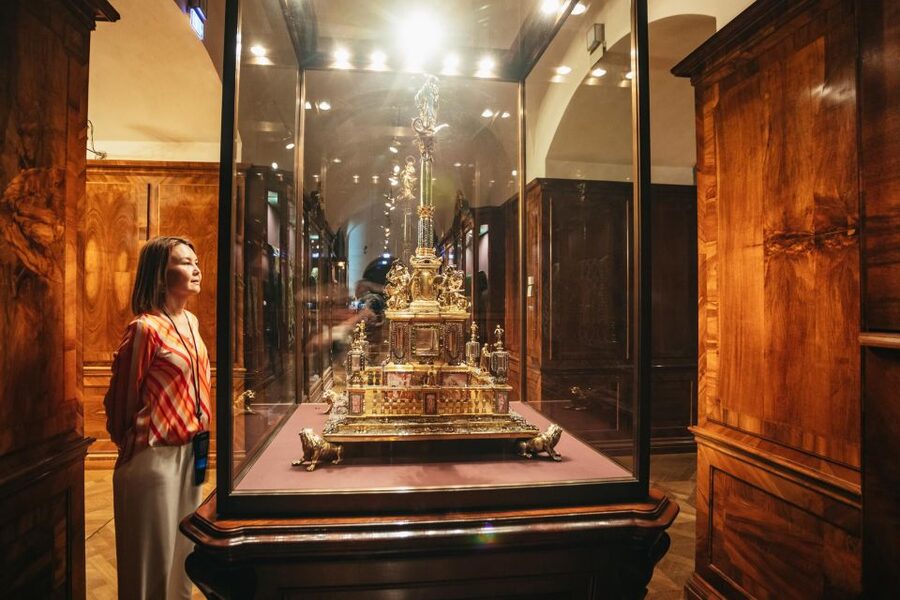
This is where expectations matter. Your ticket includes entrance. Audio and a guided tour are not included as part of the base entry.
That does not mean you should skip audio. It means you should decide what style you want before you pay for anything extra. If you like learning while you walk, audio can help you move beyond “pretty object, next room.” If you like reading labels slowly, you might not need audio at all.
Lighting is another real factor. Some exhibits are beautifully presented, but one visitor noted that light can be dim in spots, making it harder to see details clearly. Your best strategy is simple: position yourself directly in front of the display when you want to study, then step aside for a quick view to reorient.
Also, pace your reading. The treasury rewards people who alternate between close looking and brief breaks. If you try to read every label in one continuous run, you will burn out.
Price and value: is $18 for the Imperial Treasury a smart buy?
At $18 per person, this is not the cheapest museum ticket in Vienna, but it is also not expensive for what you get. You are paying for a high-impact experience: a concentrated treasury of imperial and religious objects in one historic wing of the Hofburg.
The value comes from three things:
- Concentration: you are not paying for a huge building with thousands of miles of hallway time.
- Standout objects: the Austrian Imperial Crown and major gemstone pieces are the kind of items that rarely feel substitutable.
- Variety within the theme: it is crown regalia plus relics plus court orders, all in a coherent collection.
If you only have time for one royal-object stop, this is a strong candidate. If you are expecting a long, multi-hour palace adventure, you might feel it is short. You can fix that by planning your day well, not by rushing inside.
Group size helps too. With a small group limited to 10 participants, the experience tends to feel easier to manage than crowded, high-volume museums.
Should you book the Imperial Treasury in the Hofburg?
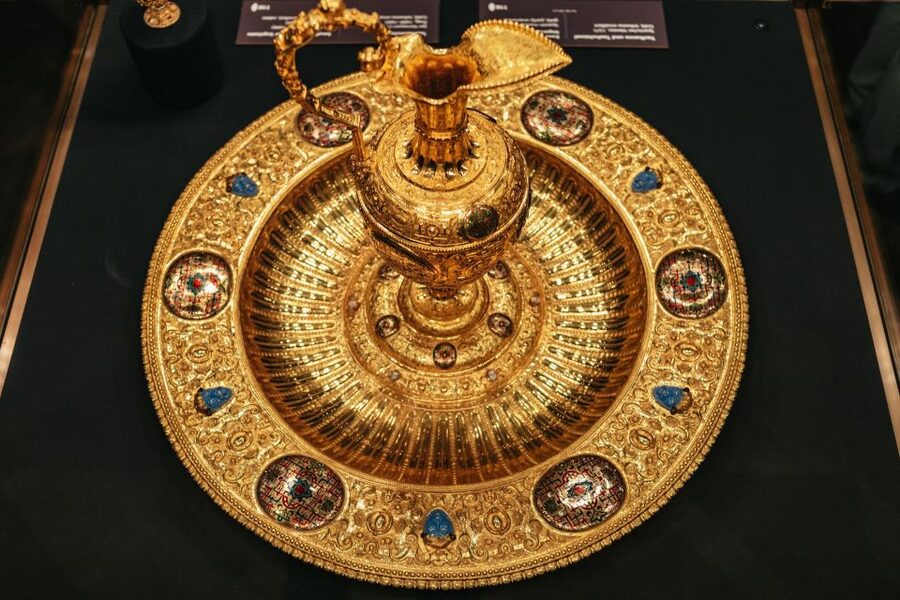
Book it if you want a focused, high-impact taste of Habsburg power that includes both crowns and legend. It is ideal for first-time Vienna visitors who want one “wow” museum stop that also teaches you how symbols worked politically.
Skip or reconsider if you need a super-long museum session or if you dislike ticket-counter hassles tied to printed vouchers. Also think twice if you hate dim lighting for display objects, since one visitor found visibility tricky in places.
My call: if you can spare an hour to ninety minutes and you like royal regalia, gemstones, or religious relics, this is a smart use of your time for Vienna.
FAQ
Where is the meeting point for the Imperial Treasury?
The meeting point is the Swiss Wing in the Vienna Hofburg Palace.
What does the $18 ticket include, and what is not included?
The ticket includes entrance. An audio guide and a guided tour are not included.
Do I need a printed voucher?
Yes. A printed voucher is required.
How long is the ticket valid?
The ticket is valid for 1 day. You should check availability to see starting times.
Is this experience wheelchair accessible, and is it a small group?
Yes, it is wheelchair accessible. It is also a small group, limited to 10 participants.
Can I cancel, and is there free admission for kids or teens?
You can cancel up to 24 hours in advance for a full refund. Children and young people under 19 generally enjoy free admission, and school groups under 19 must be registered through the museum booking department at [email protected].
Recently reviewed around Vienna
- Vienna: Mozart, Beethoven, & Strauss Private Tour★ 5.0 · 4 reviews
- Vienna: Musical Tickets ROCK ME AMADEUS – THE FALCO MUSICAL★ 4.8 · 15 reviews
- Vienna: Mozart Concert with Dinner and Carriage Ride★ 4.8 · 25 reviews
- Private Melk Hallstatt, Salzburg tour from Vienna★ 4.9 · 22 reviews
- Vienna: ‘Armenia In The Heart Of Austria’ Tour★ 5.0 · 6 reviews
- Vienna: Luxury Vintage Fashion Walking Tour★ 3.4 · 8 reviews
- Vienna: Kunsthistorisches Museum Guided Tour incl. admission★ 4.9 · 32 reviews
- Vienna: Mozart Private Guided Tour★ 5.0 · 4 reviews
Hofburg & Sisi Museum Tours, side by side.

Skip-the-Line Sisi Museum, Hofburg and Gardens Tour
Read our review →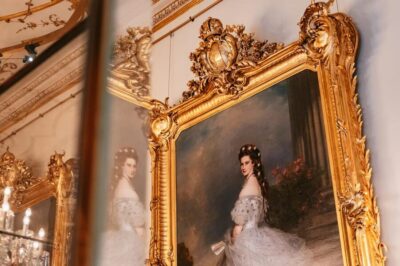
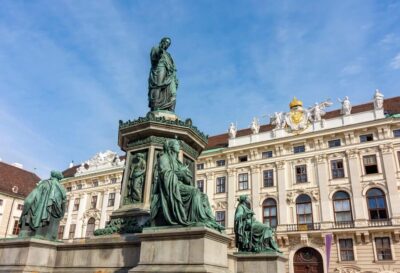
Skip-the-Line Hofburg and Empress Sisi Museum Tour
Read our review →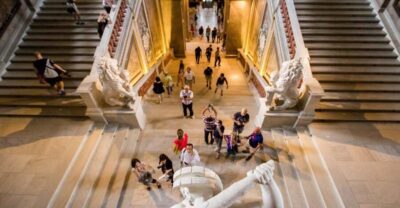
Combo Ticket: Kunsthistorisches Museum & Imperial Treasury
Read our review →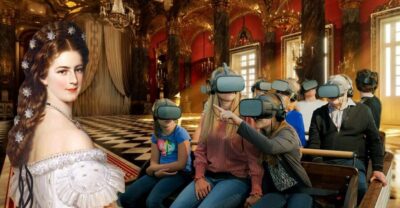
“Sisi’s Amazing Journey” Virtual Reality Experience
Read our review →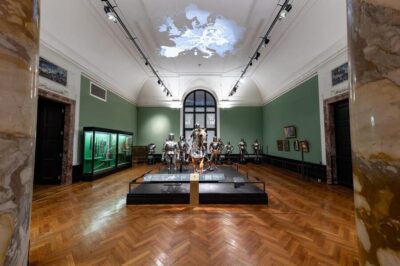
Imperial Treasury & New Hofburg Palace Combo Ticket
Read our review →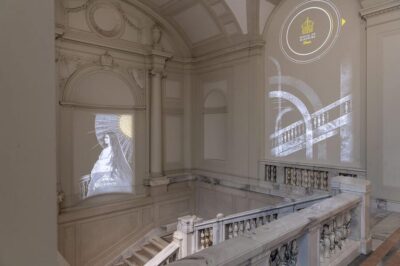
New Hofburg Palace Audio-Guided Tour & Entry Ticket
Read our review →
Skip-the-Line Sisi Museum, Hofburg and Gardens Tour Vienna
Read our review →Lists this tour appears in