Appraised · TICKETS
Vienna: Imperial Crypt Entrance Ticket
The Imperial Crypt is a history lesson you can walk into, quietly, right in the city center. It’s not a museum display from a distance. It is the burial place of the Habsburgs, staged with serious craftsmanship under the Capuchin Church, and it feels peaceful in a way you might not expect. I especially love the ornate sarcophagi and funerary monuments and how the space keeps the focus on art, symbols, and the people behind the dynasty.
The second thing I like a lot is the way the crypt turns into a timeline: centuries of Austrian and European power, all arranged in rooms that echo imperial grandeur. You also get a strong hit of the famous names, including Franz Joseph and Empress Elisabeth (Sisi). One consideration: if you do not have much context for the Habsburg family, you may wish you’d added a guided layer, since some visitors find the available English context limited.
Key things to notice before you go
- 10 vaults under the Capuchin Church, expanded over roughly 400 years, not just a single chamber
- 150 Habsburg personalities laid to rest, including Maria Theresia, Franz Joseph, Sisi, and their son Rudolph
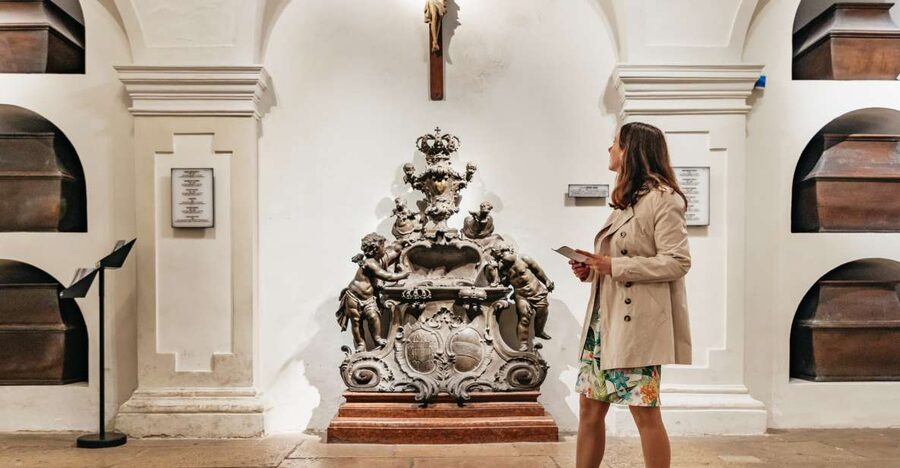
- Tin, copper, bronze, and gold-toned metalwork on sarcophagi that looks more like sculpture than storage
- Booklets and signage give details on individuals, and you can spend more time than you expect reading them
- Optional guided interpretation is available onsite for an extra fee in some cases
- No video recording and a request for respectful behavior, since this is still a place of remembrance
Imperial Crypt Basics: Where the Habsburgs Are Buried in Vienna
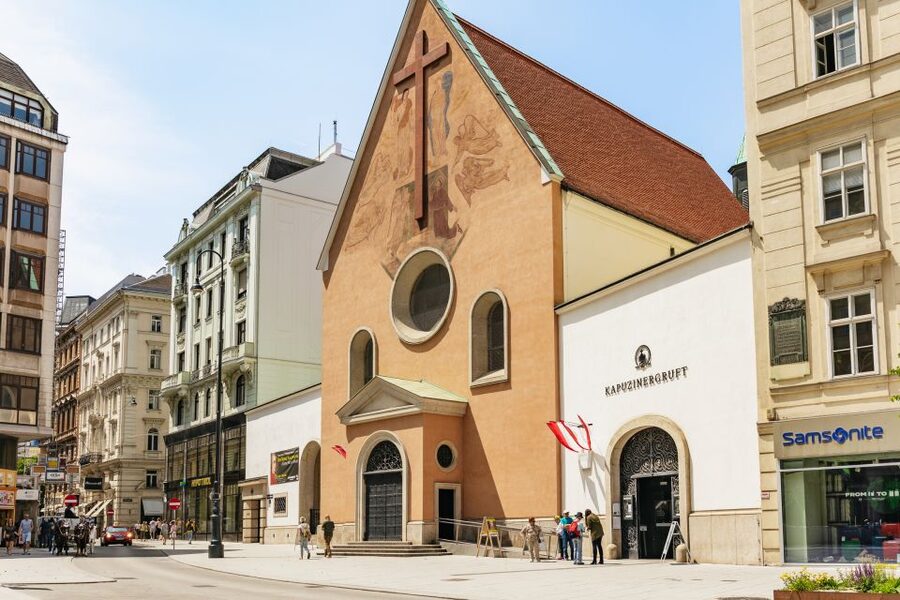
This ticket gets you into the Imperial Crypt, the Habsburg dynasty’s burial place located just below the humble Capuchin church and monastery in central Vienna. The setting matters. The church above is straightforward, almost plain by imperial standards. Then you go below and the tone changes fast, because the crypt is built to represent dynastic power, permanence, and prestige.
Inside, you’re not just looking at one “big tomb.” The system developed through multiple extensions and modifications over more than four centuries. Today, it’s organized into a 10-vault layout, and those vaults hold sarcophagi, urns, and funerary monuments belonging to the Habsburg family.
What you’ll feel, if you pay attention to details, is that the crypt is part history and part design project. The rooms were shaped by designers and creators who wanted the imperial story to land in your eye and in your head. It’s less about horror and more about identity, rank, and the symbolism that power used to broadcast.
More tickets and entries in Vienna:
- Vienna: Classic Ensemble Vienna in St. Peter’s Church Ticket
★ 4.7 · 4,819 reviews - Vienna Kunsthistorisches Museum Day Admission Ticket
★ 4.6 · 3,690 reviews - Vienna: Tickets for Mozarthaus Vienna with Audio Guide
★ 4.2 · 2,344 reviews
The Capuchin Vault System: A 400-Year Build with a Ten-Vault Layout
A lot of burial sites feel like a single moment frozen in place. The Imperial Crypt is different because it reflects changing tastes and repeated expansion. Over centuries, new spaces were added, and the vault network grew. That’s why the crypt can feel like a guided tour through time, even when you’re walking without a live guide.
You’ll move through the extraordinary vault system still under custody of the Capuchin Order. This custodianship is part of why the atmosphere feels solemn rather than commercial. It also explains the strict rules about respectful behavior and why photography is a sensitive topic for this particular site.
A practical reality: this is not a huge complex that takes all day. Many people finish relatively quickly, especially if they skim information. But if you like to read, look closely, and take it slowly, you can stretch it. One practical tip from experience: if you’re even a bit into art and symbolism, plan for more time than you think you need.
The Main Names: Franz Joseph, Sisi, Maria Theresia, and Rudolph
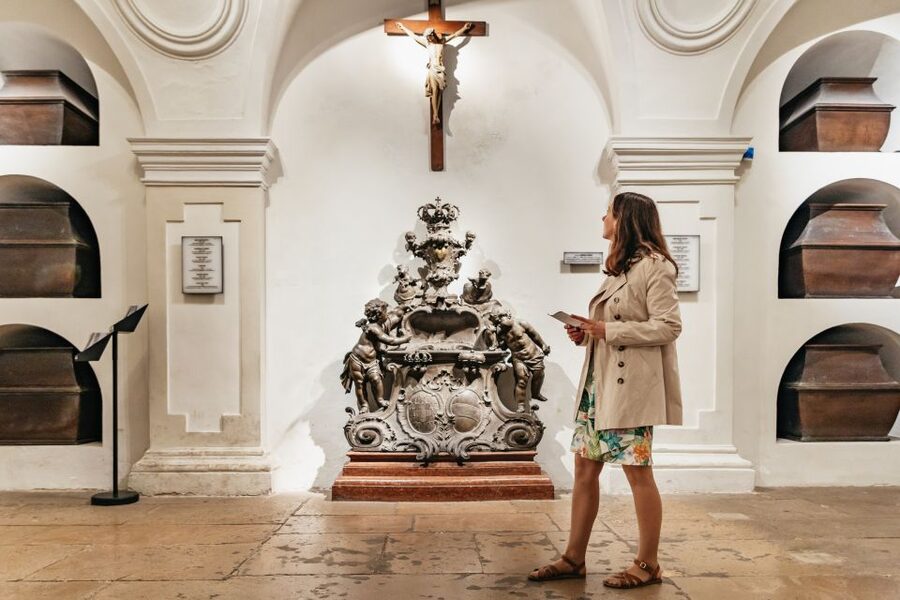
The crypt is packed with Habsburgs, but a few names draw most first-time visitors in. Emperor Franz Joseph and Empress Elisabeth (Sisi) are two of the biggest. Their burial presence anchors the emotional punch of the whole visit, because they’re household names in European history.
You’ll also see Maria Theresia, one of the pivotal rulers of the Habsburg world. And you’ll run into Rudolph, whose story is tied to the dynasty’s later era. Seeing these names in a burial context changes how they land. In school or on a textbook page, they’re dates and titles. Down here, they’re people, represented through the visual language of their family’s power.
One fascinating extra detail: the crypt’s story connects to the broader monastery area. A helpful note is that the hearts of the Habsburgs are not placed within the crypts, but inside the monastery. That fact gives you a better framework for what you’re seeing. You’re looking at the bodies and the official funerary monuments, but the family’s tradition used multiple sites for different parts of the ritual.
What You’ll Actually See: Sarcophagi, Urns, and Funerary Art That’s Too Beautiful to Ignore
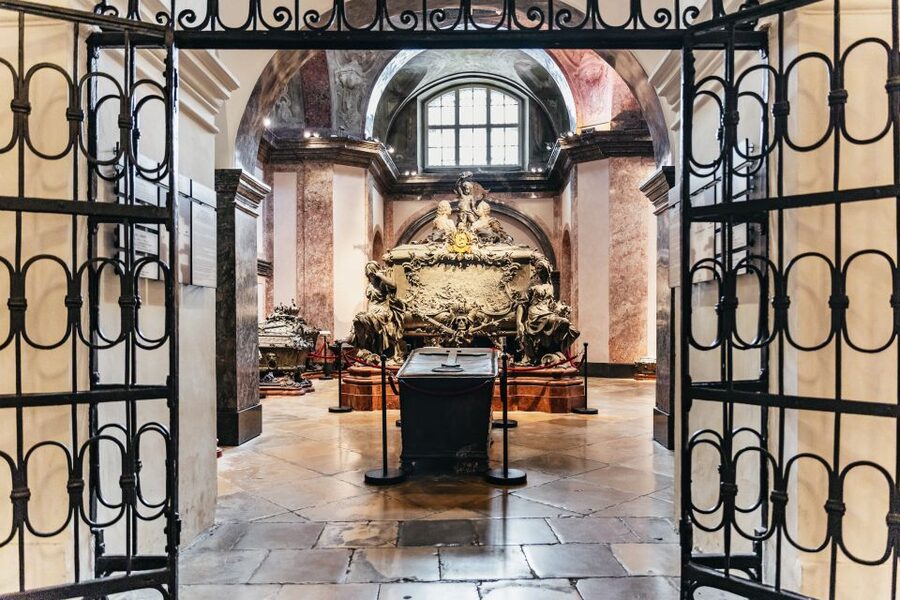
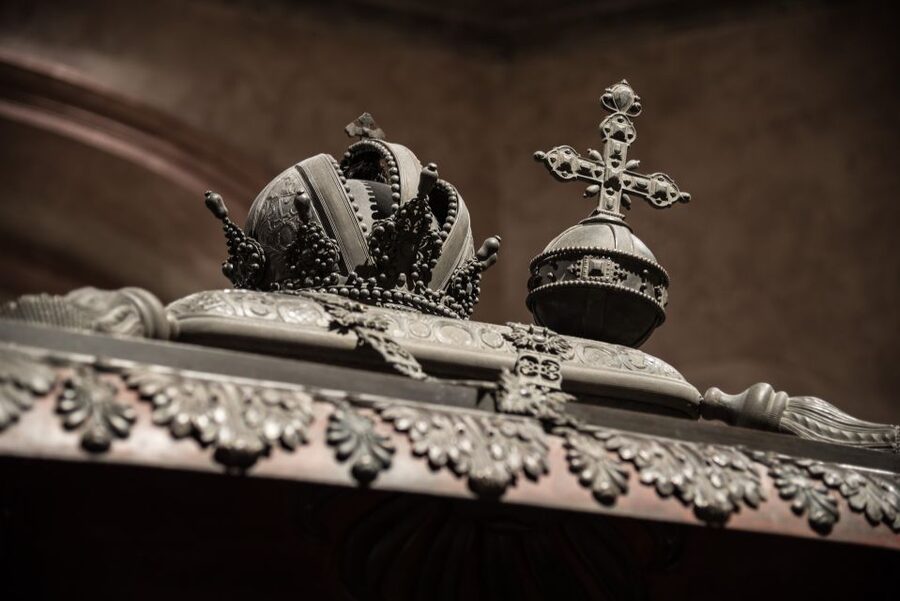
This is where the Imperial Crypt earns its reputation. The interiors are richly ornamented, and the craftsmanship can be genuinely impressive. You’re looking at sarcophagi and funerary monuments made in metal work that can include tin, copper, bronze, and silver and gold-toned elements. In plain terms, some of these objects look like sculpture.
That’s why the most common positive comments focus on beauty and craftsmanship. People also notice the “it’s not macabre” vibe. You’re in a burial place, so it’s solemn, but it’s not presented as a shock attraction. The space feels controlled, respectful, and reflective.
You’ll also notice small signs of ongoing remembrance. Some visitors leave flowers and notes for certain members of the dynasty. That detail matters. It’s a reminder that these are not purely historical artifacts. The crypt still functions as a real resting place.
A completely different kind of day, same corner of Austria:
- Vienna: Vivaldi’s Four Seasons Concert in Karlskirche
★ 4.7 · 14,951 reviews - Vienna: Schönbrunn Palace & Gardens Skip-the-Line Tour
★ 4.7 · 7,739 reviews - Vienna: Light of Creation Votive Church Immersive Light Show
★ 4.8 · 6,779 reviews - Vienna Spanish Riding School Guided Tour
★ 4.7 · 6,765 reviews
How Long to Spend and How to Get Context (Without Feeling Lost)
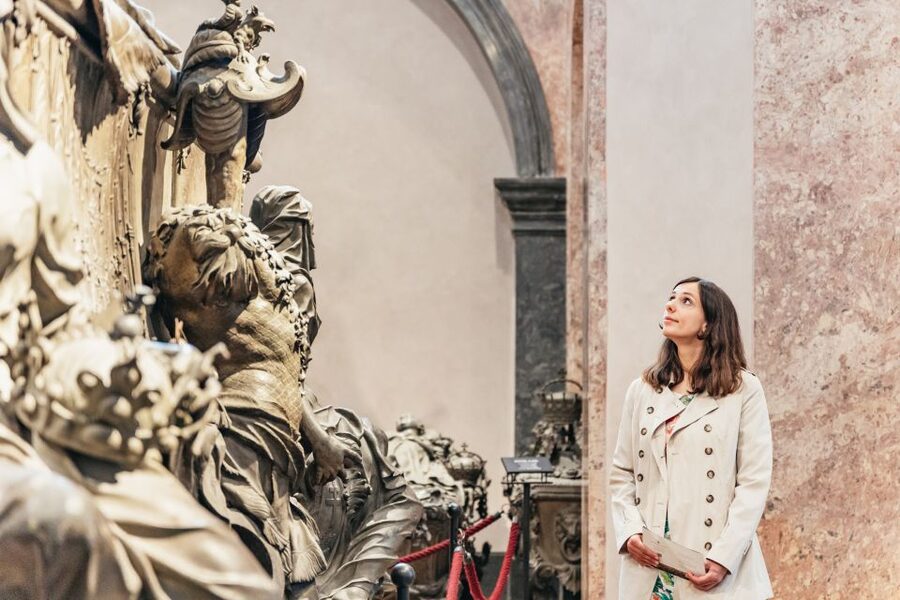
The duration you need depends on your style. If you mostly want the big highlights and a fast walkthrough, you can get through in about a short visit window. If you’re the type who reads every label and stops to examine design details, you may spend closer to an hour and a half.
A smart strategy is to use the on-site material you’re given. There are booklets with details, and there are signs that identify individuals. That turns the visit into a self-paced story rather than a silent walk. If you’re comfortable reading, you’ll likely enjoy it more than you expect.
Now, the one catch. English support can be uneven. Some visitors say there wasn’t much information available in English, and others felt that context was necessary to really enjoy the crypt. If you’re not fluent in German or you don’t already know Habsburg basics, you may want to choose either:
- a guided interpretation when it’s available onsite, or
- a strategy where you pick a handful of major figures and focus your reading there
One onsite enhancement mentioned is a one-hour guided tour option available for an extra fee when booked direct at the ticket office. If that sounds like you, it can be worth it because it turns names into a connected story.
Also, small but helpful note: there are lockers available, and at least one visitor reports lockers using coins with a refund. It’s the kind of detail that can save stress if you arrive with anything you don’t want to carry.
Rules That Matter Here: What to Wear and What Not to Do
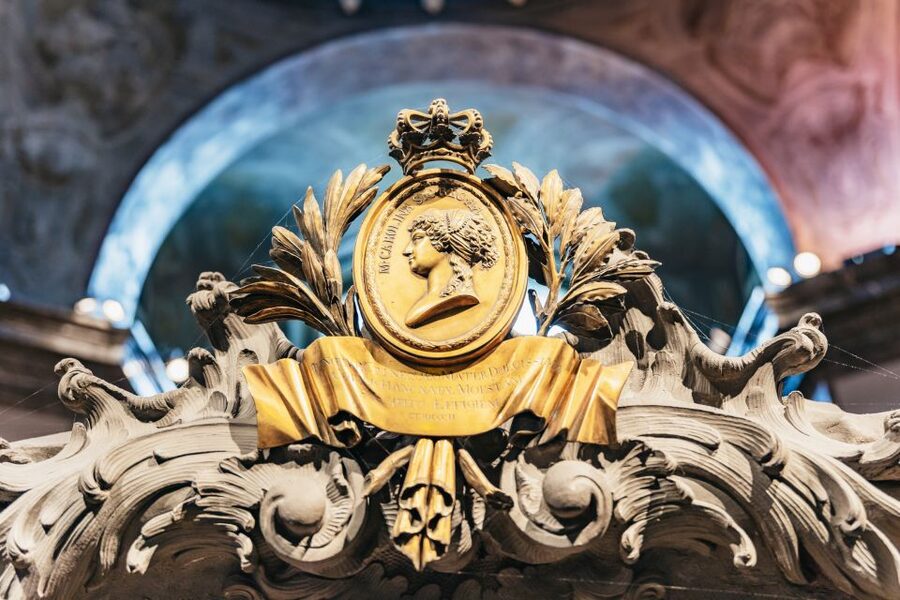
This is a place where rules exist for respect and safety. Keep these in mind before you show up:
- No video recording
- No pets
- Avoid luggage or large bags
- Wear more covered clothing, since sleeveless shirts are not allowed
About behavior: since this is an active burial site, I’d treat it like a cathedral in terms of how you act. If you love photos, you might be tempted to ignore the rules. Don’t. The whole point is to keep the space from turning into a selfie floor.
If your group is small, you’ll likely have an easier time keeping things calm and moving without bumping into people who want to read slowly. And because the tour experience is limited to a small group size of up to 9 participants, it’s easier to maintain a quiet, respectful rhythm.
Combo Ticket Value: Pair the Crypt with A Little Night Music
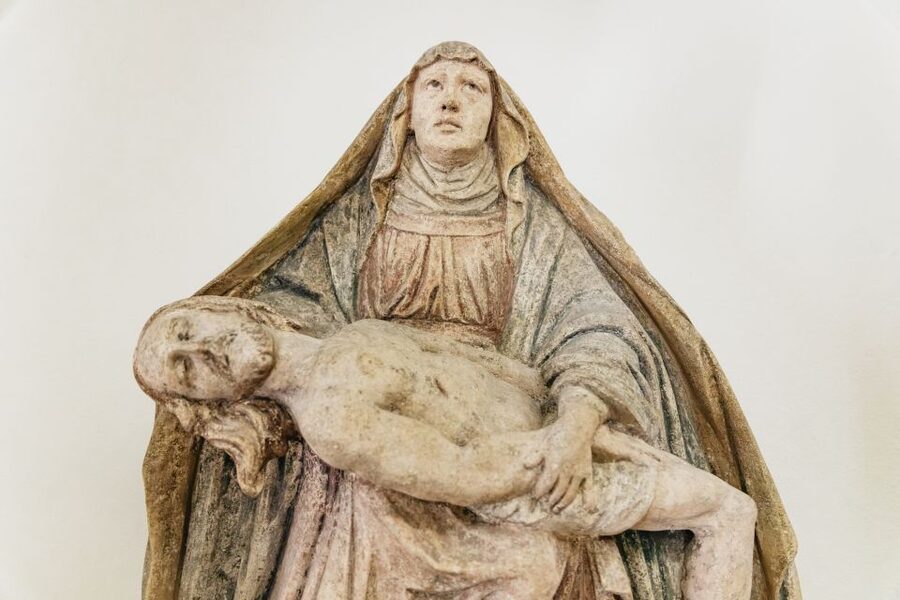
One of the best value add-ons here is the combo concept. You can pair the Imperial Crypt visit with an after-visit concert: A Little Night Music. This is a smart pairing because it changes the mood fast. You go from death rituals and imperial funerary art to music that is made to be heard in the living world.
How do you benefit as a practical traveler? You can plan one “culture block” in the middle of your day. Instead of padding your schedule with random stops, you get a structured arc: history first, then performance. It’s also a nice hedge if you love atmosphere. The crypt is contemplative. A concert is shared energy. Together, they feel like a full evening plan without requiring a long detour.
Price and Value at About $17: Worth It If You Like Art, Power, or Stories
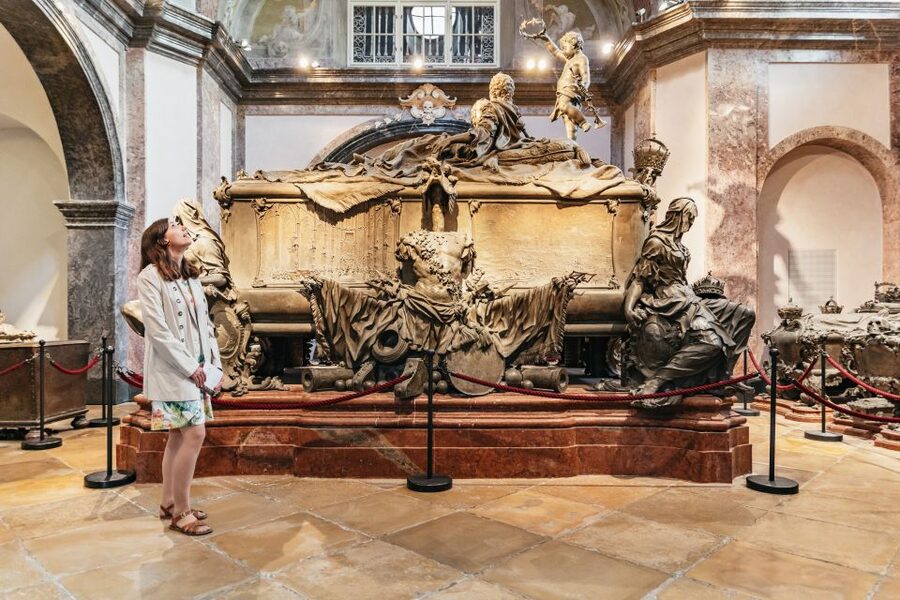
At about $17 per person, the Imperial Crypt is priced like a focused ticket rather than an all-day museum production. That can be a good thing. You’re paying for a specific experience: the burial place of the Habsburg rulers and their families, with the design and symbolism that come from centuries of royal power.
So when is it good value?
- If you enjoy history but also like art and design, it’s a strong match because the sarcophagi are visually striking.
- If you’re curious about Austrian and European political history, the crypt gives names and context that textbooks often fail to make “real.”
- If you like meaningful places that are not overly commercial, this tends to fit that vibe.
When it may feel less worth it:
- If you don’t want to read much and you’re not interested in dynasties, you might find the value depends on getting enough context.
- If English interpretation is essential for you, you may want to plan on a guided layer when available.
One bonus that matters for value: the space is described as peaceful and not overly overcrowded. That improves satisfaction because you can actually see what you came for. This is not a place where you’re constantly pushed out of the way.
Should You Book the Imperial Crypt Entrance Ticket?
Book it if you want a truly memorable Vienna stop with real atmosphere. This is especially for you if you like:
- imperial history and European power stories
- ornate funerary art, metalwork, and symbolism
- a quiet, respectful experience in a central location
Skip or reconsider if you need lots of English interpretation on your own. If you’re relying on labels only, pick a plan that ensures you get context, such as adding a guided option when you can.
If your main goal is speed and a quick checklist, this might feel short. If your goal is to understand the Habsburg dynasty through what they built for their dead, the Imperial Crypt is exactly the kind of place where the details matter.
FAQ
Where is the Imperial Crypt located?
It’s in Vienna, in the city center, below the Capuchin church and monastery.
What does the ticket include?
The entrance ticket is included.
How long should I plan for the visit?
The experience is valid for 1 day, and in practice many people spend anywhere from about 30 minutes to around 1.5 hours depending on how much you read and look closely.
Is the Imperial Crypt wheelchair accessible?
Yes, it is wheelchair accessible.
Is it a small-group experience?
Yes. The group is limited to a maximum of 9 participants.
Are pets or large bags allowed?
No pets are allowed, and luggage or large bags are not allowed.
Can I bring video recording equipment or take photos?
Video recording is not allowed. The site also has a respectful-no-photography request mentioned by visitors.
Is there a combo option for a concert?
Yes. There is a combo ticket option that includes visiting the A Little Night Music concert after the crypt.
Recently reviewed around Vienna
- Vienna: Mozart, Beethoven, & Strauss Private Tour★ 5.0 · 4 reviews
- Vienna: Musical Tickets ROCK ME AMADEUS – THE FALCO MUSICAL★ 4.8 · 15 reviews
- Vienna: Mozart Concert with Dinner and Carriage Ride★ 4.8 · 25 reviews
- Private Melk Hallstatt, Salzburg tour from Vienna★ 4.9 · 22 reviews
- Vienna: ‘Armenia In The Heart Of Austria’ Tour★ 5.0 · 6 reviews
- Vienna: Mozart Private Guided Tour★ 5.0 · 4 reviews
- Vienna: Luxury Vintage Fashion Walking Tour★ 3.4 · 8 reviews
- Vienna: Kunsthistorisches Museum Guided Tour incl. admission★ 4.9 · 32 reviews
Tickets, side by side.
Classic Ensemble Vienna in St. Peter’s Church Ticket
Read our review →
Vienna Kunsthistorisches Museum Day Admission Ticket
Read our review →
Tickets for Mozarthaus Vienna with Audio Guide
Read our review →
Skip-the-Line Entrance Ticket to the Danube Tower
Read our review →
St. Stephen’s Cathedral & Dom Museum Wien Tickets
Read our review →